Adeel Hassan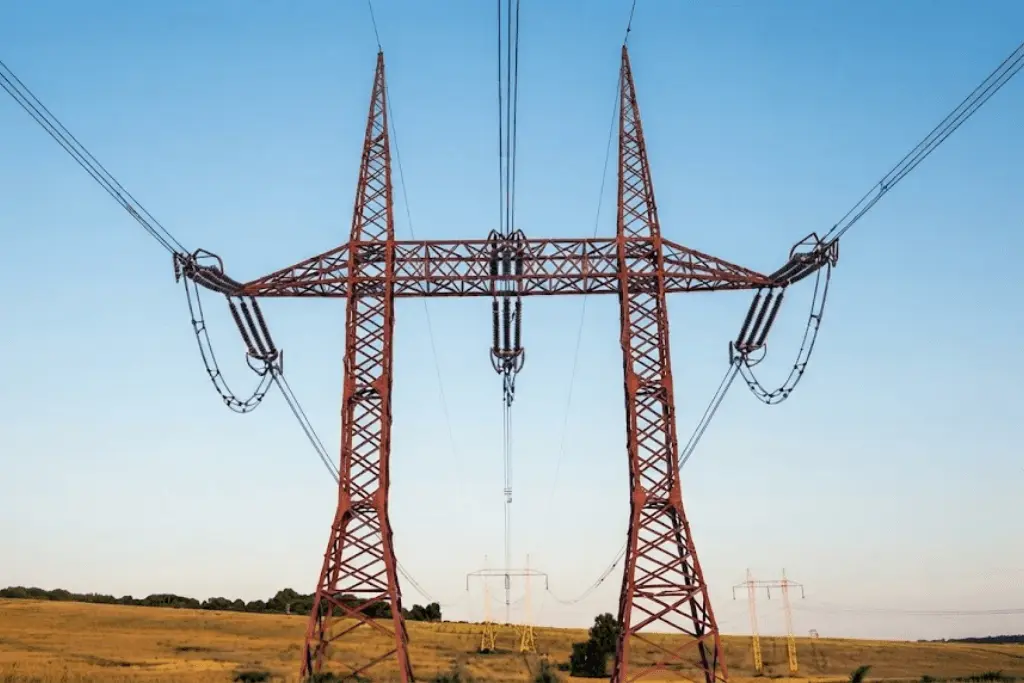
Pakistan’s National Assembly Standing Committee on Power Division has recommended removing the six-month restriction for Pakistan electricity subsidy consumers consuming up to 200 units per month. This proposal would provide more ongoing relief to protected consumers who are feeling the pinch of rising household electricity costs.
The recommendation was made during a committee meeting chaired by MNA Muhammad Idrees, where members deliberated on a number of measures concerning electricity affordability, consumer protection and local power infrastructure. The panel discussed the subsidy proposal, dangerous electricity wires, transformer needs and future power storage solutions.
The change could also impact how low-usage households qualify for protected electricity rates. Depending on the implementation by the relevant power authorities, eligible consumers could potentially remain on subsidised tariffs for longer than a fixed consecutive-month limit.
Six-Month Subsidy Limit For Consumers May Change
Pakistan’s National Assembly Standing Committee on Power Division has recommended removing the six-month restriction for Pakistan electricity subsidy consumers consuming up to 200 units per month. The six-month consecutive condition above could also affect continued eligibility for subsidised rates for households that otherwise remain within the low-consumption category, under the existing arrangement described in the committee discussions.
The removal of the limit would ensure greater continuity for households with monthly electricity consumption below the protected threshold. The committee’s recommendation therefore points to the need to reduce the influence of temporary changes in consumption on eligibility for subsidies. If adopted, the measure could offer more predictable electricity bills for low-use households and ease concerns about losing protected status after a limited period.
More Steady Relief For Protected Consumers
A significant share of the residential electricity market in Pakistan consists of protected consumers, as the price of electricity in households can be a major burden for families with lower incomes. The proposed removal of the consecutive-month restriction would therefore make the subsidy framework more responsive to household circumstances. The revised approach may save households that are still in the designated low-usage category from a short-term increase being viewed as a permanent change in consumer status.
Electricity Bill Relief Remains Top Consumer Worry
The affordability of electricity has remained a big concern for Pakistani households as consumers grapple with tariff adjustments, fuel charges and other components of their monthly power bills. For families with low incomes, even relatively small increases in electricity costs can put pressure on household budgets.
The committee’s recommendation is from the consumer-protection point of view and asks for more continuity in the subsidised access to electricity. A more stable subsidy framework might help eligible households budget monthly expenses without the uncertainty of a fixed eligibility term.
But the proposed change would have to be implemented formally through the concerned power ministry and regulatory authorities. The committee’s recommendation points to a policy course, but it’s the specifics of eligibility, billing and tariff treatment that will determine how the measure actually plays out for consumers.
Panel Also Calls For Pulling Out Dangerous Wires
The committee also recommended immediate removal of the electricity wires in the immediate vicinity of the residential houses. Such infrastructure arrangements can pose a serious safety concern, particularly in densely populated areas where homes and electricity networks are located close to each other.
Moving dangerous wires would address another, but equally important, aspect of consumer protection. But it’s not just the price of the monthly bill that matters for electricity access; safe distribution infrastructure is critical for homes, communities and public spaces.
The recommendation suggests that the committee’s deliberations considered not only tariff relief but also physical improvement of the electricity distribution network. Tackling the danger of unsafe wiring could reduce risk for residents, but also drive distribution companies to review old or badly sited infrastructure.
New Proposed Transformers For Local Power Issues
The committee also approved transformers of 50 kVA and 100 kVA in different constituencies. The measure is designed to tackle localised electricity distribution problems such as supply constraints and voltage issues identified in particular communities.
Transformers are important in the final stages of electricity distribution, helping to regulate voltage before it reaches residential and commercial consumers. An undersized transformer capacity can lead to voltage fluctuations, equipment damage and interruptions in electricity supply.
The proposed transformer installations could thus be an addition to other consumer-relief measures. While the recommendation of subsidy is related to the cost of electricity, better transformer capacity addresses the reliability and quality of electricity that reaches households.
Virtual Grid Stations Talk About Future Power Needs
The committee also examined the possible use of virtual grid stations in future electricity planning. These systems can be part of a more flexible power system, using modern technologies to manage generation, storage and electricity demand.
The discussion echoes a rising interest in changing the way electricity is distributed as energy technologies evolve. Batteries can help integrate renewables, provide backup capacity and help smooth out the differences between electricity generation and household demand.
As households, businesses and distribution companies in Pakistan look at different approaches to energy reliability, storage technology could be relevant. Real-world implications would depend on the cost of equipment, grid integration, access to consumers, and the right regulatory policies.
Measures Combine Affordability And Infrastructure
The National Assembly panel’s recommendations range from immediate relief for consumers to longer term improvements in the electricity system. Removing the six-month subsidy restriction would address affordability, and transformer upgrades and wire relocation would address distribution quality and safety.
The mix reflects the interlinked nature of Pakistan’s electricity challenges. Tariff policy is only one part of the overall consumer experience, where a household could be under financial pressure from a high bill but also suffering from voltage problems or supply interruptions.
Additional aspects of the discussion include future technologies such as virtual grid stations and battery storage. The measures collectively point to a broader emphasis on improving the affordability, reliability and flexibility of electricity services to meet the evolving needs of households.
The Effect On Consumers Will Depend On How It Plays Out
The committee’s recommendation is an important policy proposal, but the practical impact will depend on decisions by the power ministry and relevant regulatory bodies. But the detailed implementation rules would have to spell out how protected status is maintained, and how electricity bills are calculated, under any new framework.
Removing the six month condition would also need to be coordinated across the electricity distribution companies and billing systems. It would be important to communicate clearly to ensure eligible consumers understand any changes to subsidy eligibility and tariff treatment.
Whether the proposed relief will be a permanent change for low-usage households will therefore depend on the implementation stage. Effective coordination could make the committee’s recommendation a more predictable structure for electricity subsidies.
Electricity Policy: Greater Emphasis On Consumer Protection
National Assembly panel recommendations state the latest power-sector talks are focused on household affordability, electricity safety and distribution improvements. The proposed removal of the six-month limit on protected consumers using up to 200 units could provide greater continuity of access to subsidised electricity.
The other recommendations on dangerous wires and 50 kVA and 100 kVA transformers concern real-life problems that impact the delivery of electricity in our local communities. Meanwhile, discussion of virtual grid stations and battery storage points to longer-term technological changes in the power sector.
For the consumers of Pakistan’s electricity, the measures suggested underline the importance of a mix of tariff relief, robust infrastructure and future-proof energy planning. The next step will depend on formal decisions by the relevant authorities and on the eventual implementation of the recommendations of the committee.