Adeel Hassan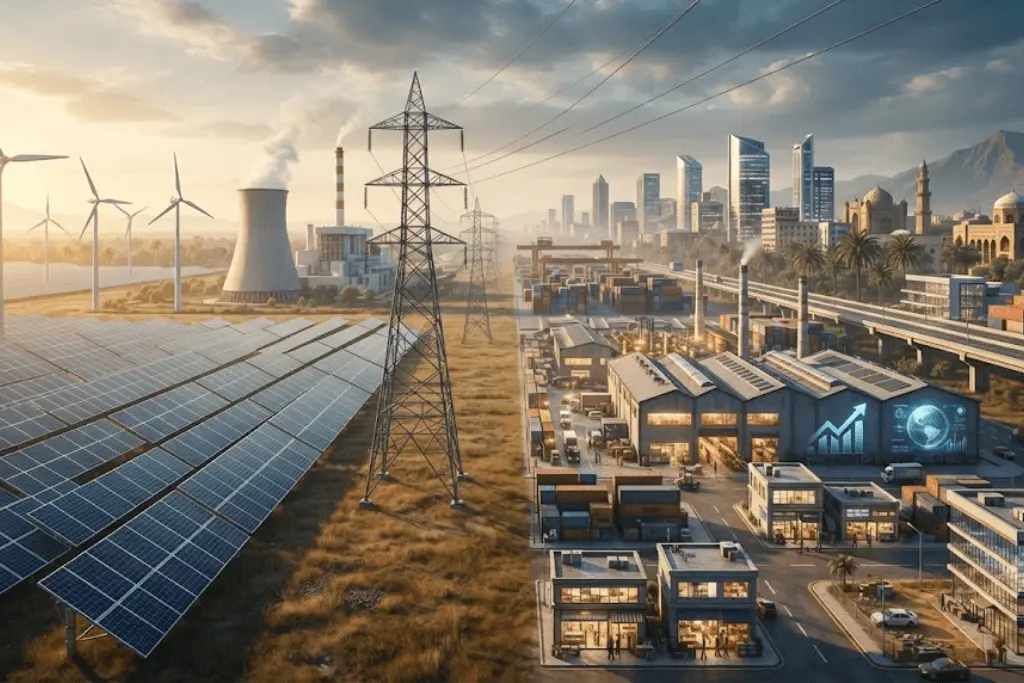
Recent changes in fuel prices and ongoing discussions on electricity tariff reforms have renewed the debate on the role of Pakistan affordable energy policies in supporting sustainable economic development. Lower energy costs can spur investment and ease inflationary pressures, but long-term success will also depend on improving efficiency, reducing system losses, increasing the use of renewable energy and fiscal prudence.
Pakistan’s energy transition is thus more than a pricing issue. It’s been a strategic opportunity to reimagine industrial productivity, foster private investment, and bolster economic resilience for the next decade.
Why Pakistan’s Economy Needs Affordable Energy
Energy continues to be one of the highest operational costs for companies across Pakistan. Stable and reasonably priced supplies of electricity and fuel are needed by the manufacturing industries, exporters, transport operators, agriculture and small enterprises.
The production costs become quite high in case of high electricity tariffs. In regional markets where industrial electricity is available at relatively lower prices, manufacturers often find it difficult to compete against producers. Lower production costs improve export competitiveness directly, and allow domestic businesses to remain profitable.
Low-cost electricity also benefits small and medium enterprises that collectively employ millions of Pakistanis. Lower operating costs enable companies to invest more confidently in growth, technology improvements, training and product innovation. Lower household energy costs boost disposable income, underpinning retail spending and supporting domestic economic activity.
Energy Costs Vital For Industrial Competitiveness
Electricity prices have been repeatedly identified as one of the biggest operational challenges faced by Pakistan’s export industries. Textile manufacturers, engineering companies, food processors, pharmaceutical companies and chemical producers all require continuous and reliable power.
Competitive pricing of energy can add flexibility to pricing and reduce the cost of manufacturing, which would help Pakistan’s position in international markets. The export-oriented industries are better able to respond to global demand and still maintain profit margins.
The cheap power also appeals to foreign investors looking for efficient places to manufacture. Investors typically examine the quality of infrastructure, the reliability of energy, logistics and operating costs before deciding where to invest. So, consistent reform that mitigates uncertainty in energy pricing may result in greater domestic and international investment in a variety of sectors.
Lower Electricity Tariffs Can Spur Wider Economic Activity
Reduced electricity tariffs can benefit more than industrial production. Affordable electricity is a must for commercial enterprises such as retail outlets, hotels, restaurants, hospitals, educational institutions and technology companies. Lower utility costs mean more profitability for businesses as well as more resources for organisations to focus on hiring, modernisation, digital transformation and customer service.
Agriculture, too, benefits, and greatly. Electric irrigation systems offer farmers lower operating costs, thereby increasing profitability and contributing to the sustainability of national food production. There is a cumulative effect throughout the wider economy which helps to boost economic growth and business confidence.
Reform Of Fuel Prices And Its Effect On Inflation And Purchasing Power
Energy affordability is more than simply electricity. Pakistan remains largely dependent on petroleum products to sustain transportation, logistics, agriculture and industrial operations.
After a recent cut, the retail price of petrol is now at PKR 331.95 per litre. The price of high-speed diesel is also lower. The Oil and Gas Regulatory Authority’s frequent price changes are consistent with global market trends and shifting import costs.
Cheaper fuel prices help to reduce transportation costs, so goods can be moved more effectively across the domestic markets. Stabilisation of transportation costs may allow businesses to better manage logistics and consumers may experience slower increases in retail prices. While international oil prices are outside Pakistan’s control, responsive pricing mechanisms can increase transparency while helping markets to adapt more efficiently.
Power Sector Reforms Still Required
Low tariffs alone will not be able to address all of the challenges facing Pakistan’s energy sector. Fundamental structural reforms are essential for long-term development. System efficiency in several regions is still hampered by gearbox losses. Financial pressures in the power sector are compounded by electricity theft, ageing infrastructure, delayed recoveries and operational inefficiencies.
The improvement of financial sustainability could come from the modernisation of the transmission network, the upgrade of distribution companies, the expansion of digital monitoring systems and the increase in billing efficiency. Reduction of technical and commercial losses would also give greater flexibility for future tariff reductions without damaging the stability of the sector.
Long-Term Opportunities In Renewable Energy
Pakistan has huge potential in renewable energy from solar, wind and hydropower. Increased renewable generation can improve long-term energy security and decrease reliance on imported fossil fuels. Integrating renewable generation with conventional power sources in a balanced way would improve overall energy resilience.
Consistent Policies Needed For Economic Growth
Policy consistency also improves Pakistan’s international investment profile by demonstrating regulatory stability and institutional reliability. A predictable policy environment, in the end, is good for industries, financial institutions, international partners and domestic entrepreneurs alike.
Challenges That Still Need Attention
Despite positive developments, several structural issues continue to shape Pakistan’s energy landscape. Circular debt remains a serious financial issue, impacting investment ability and the sustainability of operations. While the increasing electricity demand requires the expansion of generation and transmission capacity, the modernisation of infrastructure requires large amounts of long-term financing.
Global fuel price volatility also generates uncertainty for energy-importing economies. Exchange rate movements can also affect electricity generation costs and domestic fuel prices, and influence import costs.
The difficulties caused by climate change further highlight the need to develop diversified and resilient energy systems to support future economic growth. The problems need to be addressed through coordinated policymaking involving government institutions, regulators, private investors, financial organisations and development partners.
Energy Affordability Boosts Pakistan’s Investment Climate
Reliable and affordable energy gives a positive message to international investors looking to Pakistan as a business destination. Decisions in manufacturing, logistics, information technology, mining, agriculture and infrastructure development are affected by the availability of energy. Usually, investors are drawn to markets where operating costs are predictable, and infrastructure is improving.
Added advantages are provided by Pakistan’s strategic geographic location, expanding transportation networks, growing industrial base complemented by competitive energy pricing. Improved affordability of energy can thus be a part of wider economic reforms to raise exports, enhance industrial production, and attract long-term investment.
The Way Forward For Sustainable Economic Growth
Cheap energy alone will not transform an economy, but it provides one of the best foundations for continuing growth. Lower electricity tariffs, more efficient grids, more renewable generation, sound fiscal management, and continued infrastructure investment can together create a more competitive economic environment.