Farhan Qureshi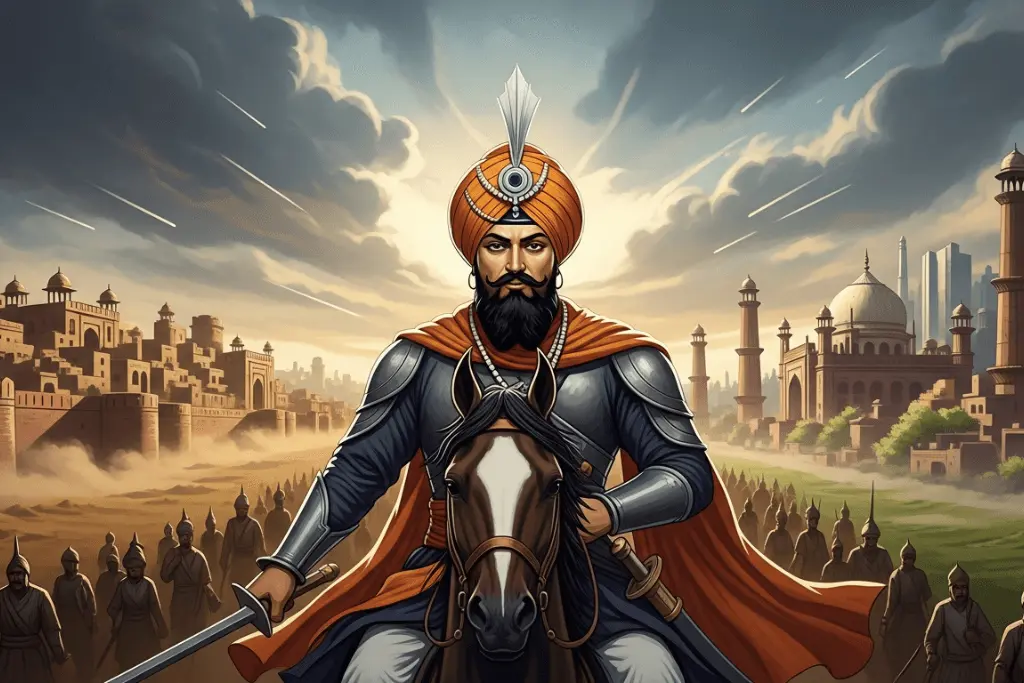
The Pakistani society is once more talking about Hari Singh Nalwa, and the name has caused more debates, which run through the historical memory of Multan to the intellectual Tehzeen of Lahore. The revived interest is after the erection of his bust at the Kartarpur Corridor, which many perceive to be symbolic, multifaceted, and politically subtle. The history of this Sikh general has been a cross-border issue for decades, with more focus made on conflict than context.
A Legacy That Refuses to Stay Buried
Hari Singh Nalwa was among the strongest generals of the empire of the Maharaja Ranjit Singh and was born in the late 18th century. The geography of the Sikh Empire was marked by its military conquests that prevented the recurring invasions from the northwest. Nowadays, historians and commentators in Pakistan are going back to his role, not as a warrior, but as an administrator, whose influence was once felt across regions that are today divided by modern boundaries.
The striking aspect of the conversation is the time of the conversation. With cultural diplomacy accelerating, the recognition of such figures as Hari Singh Nalwa is an indication of a tentative change towards acknowledging the shared past instead of denying the truth. From campus forums in Lahore to discussions on social media in Punjab, this debate brings up a larger question: is it possible to reclaim history without opening old wounds?
This revived attention points to the fact that the past, in the hands of the wise, can find a way out instead of trouble.