Farhan Qureshi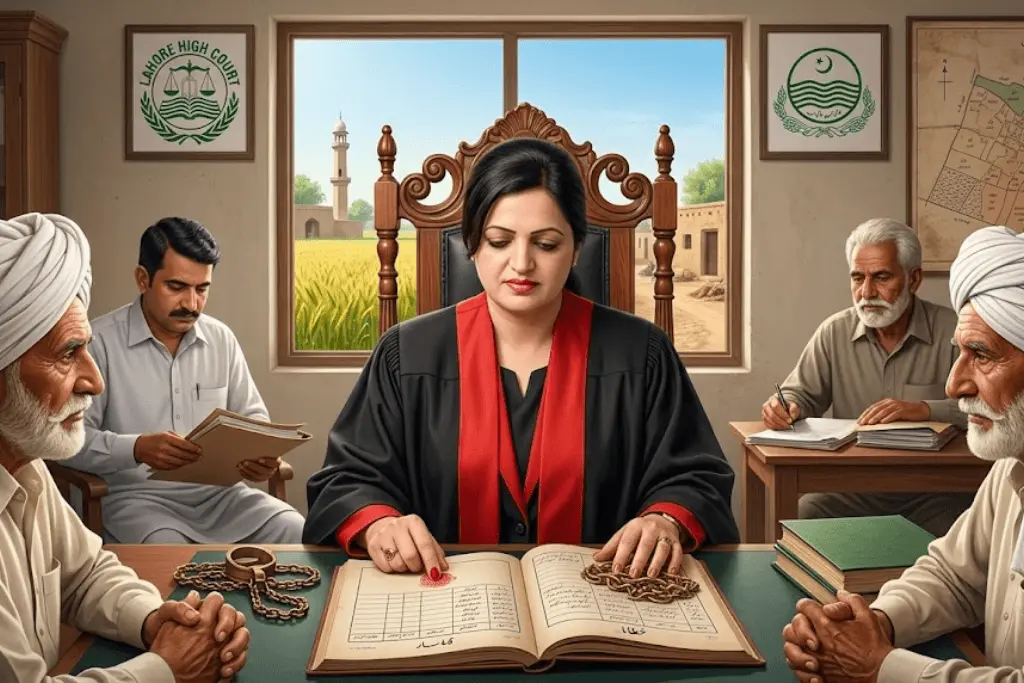
The Lahore High Court Women Lumberdars ruling marks a major step toward gender equality, allowing women to serve as permanent Lumberdars in Punjab It is a giant leap towards gender parity in Pakistan’s rural governance system. A May 8, 2026, ruling overturned previous administrative rules that forbade women from standing for the powerful village position.
The decision is seen as a positive move for rural communities in Punjab. Here the Lumberdar system still plays an important role in local administration, land records and dispute resolution. Legal experts and social commentators said the judgment bolstered constitutional safeguards for equality and enhanced women’s participation in rural governance.
What Is a Lumberdar in Punjab?
A Lumberdar is a village headman and a link between the villagers and the government’s revenue administration. This is traditionally a powerful role in rural Punjab, particularly in the agricultural districts.
What does a Lumberdar do?
- Assisting in the collection of land revenue
- Registration of Births and Deaths
- Assisting in the keeping of land records
- Helping settle local disputes
- Liaison with police and revenue officials
The position has been dominated by men from powerful land-owning families in the past. The new ruling dismantles the office’s longstanding structure, officially recognising women’s eligibility to hold the office.
Why the Lahore High Court Issued This Landmark Ruling
The case was of Kalsoom Akhtar of Lodhran, who had been working as an acting Sarbarah Lumberdar since 2002 after the death of her father. She had years of administrative experience, but the objections based on gender and community considerations prevented her from being given the permanent appointment.
Lahore High Court has set aside those restrictions, holding that there is no law in Punjab disqualifying women from becoming Lumberdars. The court ruled that constitutional principles of equality must trump outdated executive practices.
The judgment also stated that if a father was legally entitled to hold the office, a daughter cannot be deprived of the same opportunity simply because she is a woman.
How the Decision Impacts Village Governance in Punjab
The verdict is expected to slowly change the face of local governance in rural Punjab by increasing women’s participation in public administration.
The women appointed as Lumberdars will now directly participate in decision-making on land records, community disputes and official coordination with district authorities. This could create a more inclusive atmosphere for rural women who often hesitate to talk to male officials about sensitive family or property issues.
The verdict also encourages appointments on the basis of merit. The courts directed authorities to select female candidates based on competence, acceptability and experience, rather than gender or traditional customs.
The decision could encourage more educated women from farm families to take up leadership roles in villages across Punjab, say observers.
Impact on Land Ownership and Women’s Property Rights
The verdict has broad consequences for women’s rights to own land in Pakistan, especially in rural areas where inheritance disagreements are still common.
The presence of female officials in land mutation processes and revenue documentation can help to increase transparency in property transfers involving women heirs, given the importance of Lumberdars in the processes.
Key improvements expected are:
- Better protection for women’s inheritance rights
- Greater accountability in land transfers
- Improved recording of female ownership in official records
- Women in rural areas, simplified reporting of property-related disputes
Legal analysts say the decision is in line with broader provincial efforts to digitise land records and reduce manipulation of the revenue system.
Punjab’s Push Toward Inclusive Rural Administration
Punjab has recently stepped up its reform agenda in digital governance, women’s participation and modernisation of land administration. The Lahore High Court’s ruling strengthens these initiatives for equal representation in traditional governance structures.
The verdict is being viewed as consistent with the Punjab Land Revenue Amendment proposals introduced in 2026 to enhance transparency and reduce discretionary decision-making in rural administration.
The role of women in village leadership is a reflection of a larger change taking place throughout Pakistan as more women assume legal, administrative and agricultural roles.
Why the Decision Matters Beyond Punjab
The ruling directly pertains to Punjab, but legal experts say the ruling could have a bearing on future administrative reforms in other provinces as well. The judgment establishes a fine judicial precedent for women’s participation in the local governance systems that have traditionally been male-dominated.
A Significant Step for Women’s Representation in Pakistan
The Lahore High Court’s decision to permit women to become permanent Lumberdars is more than an administrative change. It is a huge institutional change in the way rural leadership is viewed across Punjab.
The court has opened new avenues for representation, protection of land rights and participation in public service in Pakistan’s agricultural heartland by recognising women as eligible village administrators.
The decision is likely to trigger more discussions around gender inclusion in local governance systems and boost confidence in equal opportunity under Pakistani law.