Sana Khalid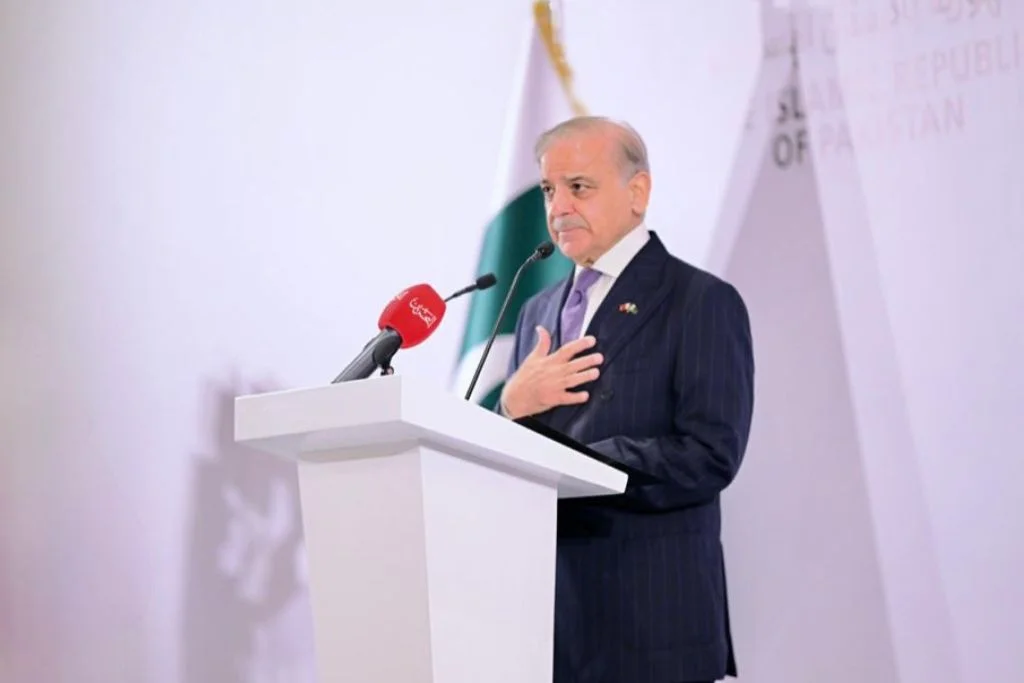
Pakistan’s political leadership appreciated the security forces after 10 Fitna al-Khawarij terrorists were killed in intelligence-based operations in Khyber Pakhtunkhwa. The raids were part of Pakistan’s continuing counterterrorism drive in South Waziristan and Dir.
KP anti-terror operation, Prime Minister Shehbaz Sharif and President Asif Ali Zardari separately paid tribute to the personnel involved in the operations for their professionalism, courage and commitment to protect the country.
Dir, South Waziristan Operations Against Extremists
The intelligence-led operations were conducted in two strategic locations of Khyber Pakhtunkhwa, South Waziristan and Dir. Ten terrorists were reported eliminated in the operations as security forces targeted members of Fitna al-Khawarij.
The actions show the ways in which intelligence collection can be used to locate and disrupt militant networks before threats can mature further. These operations are a significant part of Pakistan’s wider effort to boost security in areas that are vulnerable to terrorist activity.
Khyber Pakhtunkhwa’s complex security environment, along with its geographic proximity to the country’s western frontier, has ensured that it remains a key focus of Pakistan’s counterterrorism strategy.
PM Shehbaz Commends Security Forces
Prime Minister Shehbaz Sharif commended the security forces for their successful operations and the bravery displayed by their personnel in combating militant threats.
The Prime Minister said that Pakistan’s armed forces and law enforcement institutions are committed to protecting the citizens and defending national security.
The official response also reiterated the government’s resolve to keep pressure on terrorist organisations operating against the state. The message is of ongoing counter-terrorism operations, not of temporary security measures.
And the country’s political leadership’s acknowledgement highlights the close nexus between national security policy and the operational work done by personnel in tough and high-risk environments.
President Asif Ali Zardari Supports Continued Counter-Terrorism Operations
President Asif Ali Zardari also appreciated the security forces after the operations in Khyber Pakhtunkhwa. The presidential response stressed unity of the nation behind law enforcement agencies confronting terrorist threats.
The president reiterated that any hostile designs against Pakistan would be resisted and national institutions would continue to work for the security of the country.
Statements like these feed into the government’s wider messaging that counterterrorism is still a national priority. Political leaders’ support for security institutions can also increase public confidence in ongoing efforts to prevent militant violence.
The response also contextualised the latest operation within the broader national security picture in Pakistan, where security forces continue to be prominently involved in efforts to protect communities and maintain stability.
Meanwhile, Operation Azm-E-Istehkam Remains The Core Of Pakistan’s Strategy
The leadership linked the recent operations to Operation Azm-e-Istehkam, Pakistan’s wider plan to boost counterterrorism efforts. The initiative requires constant action against terrorist networks and the conditions which enable violent groups to operate.
That challenge is reflected in the government’s pledge to continue operations until terrorism is stamped out. We support security operations through intelligence collection, law enforcement coordination, and efforts to improve security in vulnerable regions. It also points to the need to prevent militant groups from rebuilding operational capacity once individual networks are dismantled.
Intelligence-Led Operations Enhance Security Response
Intelligence-based operations have become a central component of Pakistan’s response to militant threats. Operations of such nature rely on information collection and accurate action to detect terrorist personnel and counter their activities. The operations in South Waziristan and Dir show how intelligence can help security forces operating in difficult terrain.
Khyber Pakhtunkhwa Remains A Major Security Concern
Khyber Pakhtunkhwa has a unique place in the national security landscape of Pakistan. The province’s location on the western frontier has historically meant that several districts have faced cross-border militant activity and security challenges.
South Waziristan has been the scene of a major theatre of counterterrorism operations in the past, while districts across the province have needed continued vigilance of security institutions.
The death of 10 militants in the latest operations indicates ongoing pressure on groups trying to establish or maintain operational networks in the region.
At the same time, improved security in Khyber Pakhtunkhwa can contribute to broader social and economic stability, creating a safer environment for communities, business, infrastructure development and public services.
Security Operations Support Pakistan’s Stability Objectives
Counterterrorism has implications that go beyond the immediate security concerns. Economic stability and security are the pre-requisites for development, investment, education, health and infrastructure development in Pakistan.
In areas already suffering from prolonged instability, ongoing militant threats can further undermine community stability and reduce economic opportunities. Successful security operations can thus help create conditions for longer-term development.
Pakistan’s leadership has preserved the framing of counterterrorism as a national duty that involves security institutions, government agencies, and the wider population.
This operation highlights the connection between improved security and Pakistan’s broader objective of increasing stability across the country.
The Government Is Sticking To Its Message Of National Unity Against Terrorism
The reactions from Prime Minister Shehbaz Sharif and President Asif Ali Zardari also carried a wider message of national unity. The two leaders acknowledged the role of the security forces and reiterated their support for the institutions working to fight terrorism.
National unity is of paramount importance when confronting threats intended to generate fear, sow division among communities or undermine public confidence.
The government’s response shows that terrorist violence will meet continued coordinated resistance from Pakistan’s security and law enforcement agencies.
The emphasis on unity also places the sacrifices and operational duties of security personnel in a broader national context.
Pakistan Remains Firm On The Front Of Counterterrorism
Elsewhere in Pakistan’s ongoing counter-terrorism campaign, 10 Fitna al-Khawarij militants were killed in South Waziristan and Dir. The intelligence-led nature of the operations highlights the requirements for timely information, operational coordination and focused action.
Prime Minister Shehbaz Sharif and President Asif Ali Zardari made statements that showed strong political backing for the security forces and confirmed the government’s resolve to keep up the counterterrorism pressure. The focus on Operation Azm-e-Istehkam also points to Pakistan’s strategy being one of sustainability rather than specific operations.