Maria Imran
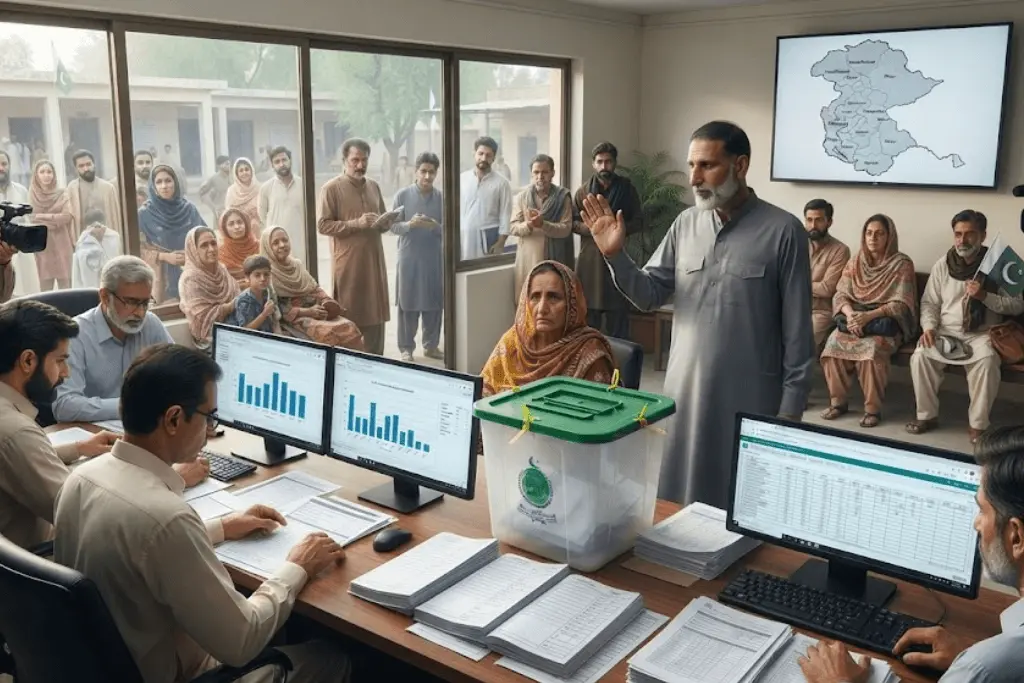
The Israeli election has produced a tight and unclear result, with Likud emerging as the largest single party on early counts. Prime Minister Benjamin Netanyahu’s bloc with ultra-nationalist and ultra-Orthodox parties appears just short of the 61 seats needed in the 120-seat parliament. Analysts caution that the figures may shift, because the early count favoured areas with strong right-wing support.
Israeli Election Leaves Parties Short of a Majority
Turnout passed 77%, and a deadlock had been widely forecast. Many absentee ballots, mostly cast by soldiers, remain uncounted, so a clear picture is not expected for a day or two.
Eisenkot’s Challenge and the Arab Parties
Former army chief Gadi Eisenkot, Netanyahu’s main rival, would struggle to command a majority without parties led by Israel’s Arab minority. Partial results suggest those parties have equalled or improved on their previous record number of seats, and Arab Israelis, who represent one-fifth of the population, appear to have voted in unprecedented numbers.
Most Jewish opposition parties pledged during the campaign not to work with Arab-majority lists, and Avigdor Lieberman said he would not sit in a minority government relying on their support. Ra’am leader Mansour Abbas, however, said he wants to join the next government and expects potential partners to be more open after the vote.
Pakistan’s Interest in Regional Stability
Pakistan has consistently called for peace and stability in the Middle East, and readers in Pakistan follow these developments closely. Wider context is available in the analysis of the Iran war 2026 and its lessons, alongside the report on how military confrontation shook crypto markets.
Humanitarian efforts in the region also draw attention, including the UAE’s largest aid operation in Gaza after the truce and the talks on post-war Gaza governance. Earlier coverage of the claim that Yahya Sinwar was killed shows how quickly the situation has changed.
Coalition Talks and the Road Ahead
After final results are presented, President Isaac Herzog will consult party leaders and ask the candidate most likely to succeed to form a coalition. That candidate has a maximum of six weeks, after which others may try, and a fresh election follows if nobody succeeds. Netanyahu’s government stays on in a caretaker role, without authority for major policy changes.
The central policy question is whether a stable government can be assembled without a unity arrangement or a deal with Arab parties. Smaller parties are usually won over with cabinet posts, budgets or specific policies, yet the opposition campaigned on a platform of “anyone but Netanyahu”. Weeks of negotiation are likely, and deep divisions over religion, military service and the country’s direction will shape every bargain.
Recommendation Tagline: Middle East stories worth following next
What Does Iran War Teach?
Look into the lessons of a conflict that reaches beyond the region.
Why Did Crypto Prices Crash?
Find out how military confrontation hit financial markets.
How Is UAE Aiding Gaza?
Check out the largest phase of Operation Chivalrous Knight 3.
Who Will Govern Post-War Gaza?
Dive into the talks between the UAE, US and Israel.
What Followed Sinwar’s Reported Death?
Uncover the concerns over the Gaza ceasefire after Israel’s claim.