Farhan Qureshi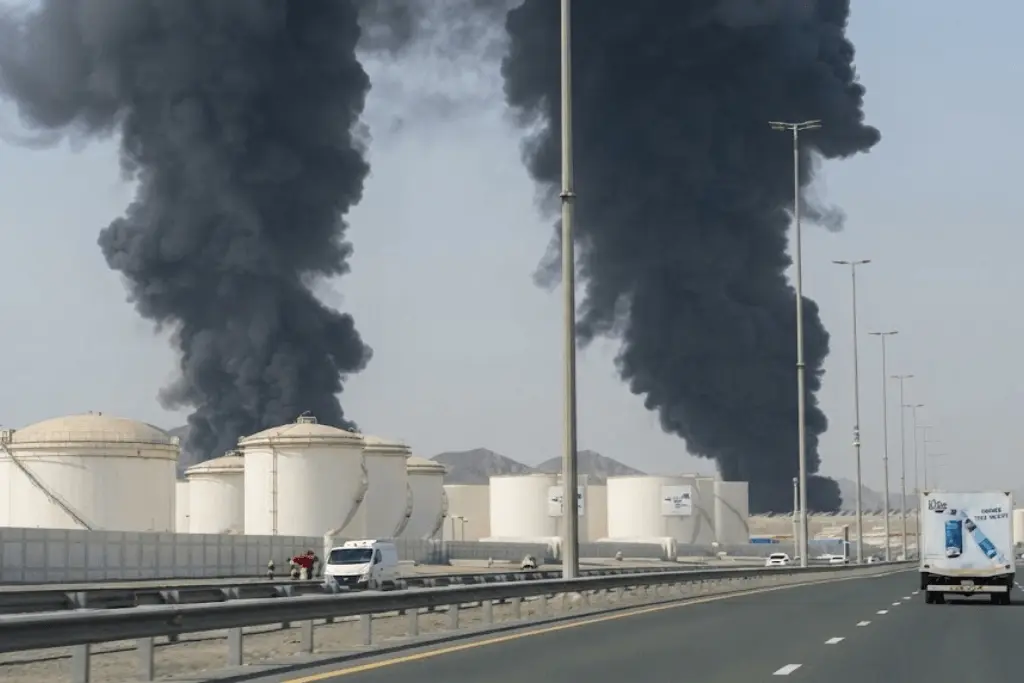
Oman has delayed planned talks on shipping arrangements and navigation through the Strait of Hormuz, as Iran Gulf tensions deepen, dealing a blow to diplomatic overtures between Iran and Persian Gulf states. The decision comes as regional conflict intensifies, raising growing concern among governments about maritime security, energy supplies and the broader economic fallout of protracted confrontation.
The delay of the meeting was seen as an opportunity to develop mechanisms for safer passage through one of the world’s most vital energy corridors. Its delay underscores the difficulty of establishing a regional dialogue framework while Iran, Gulf Arab states and the United States maintain different stances over security and political demands.
Strait Of Hormuz Emerges As Flashpoint In Regional Conflict
The Strait of Hormuz has become the centre of the current diplomatic dispute due to its importance for international shipping and energy markets. Any prolonged disruption to navigation can have implications for tanker movements, insurance costs, freight rates and the price of energy well outside the immediate region.
Iran has said that the waterway will return to normal if certain political and economic demands are met, and the United States, meanwhile, has continued to stress its concerns about Iran’s nuclear program, creating a broader rift that goes beyond the issue of maritime navigation.
Gulf States Under Increasing Security And Economic Strain
The talks have been postponed amid continuing attacks on commercial shipping and energy infrastructure; these incidents have raised concerns among Gulf states over the vulnerability of critical facilities and shipping lanes and added to uncertainty across global energy markets.
Countries that depend on imported energy will feel the squeeze even more when oil prices go up. For Pakistan, global fuel price fluctuations could affect the import bill, transportation costs, industrial costs, and inflationary pressures. Thus, the economic interests of Pakistan are strongly associated with a greater stability of the Gulf markets.
Us, Gulf States Seek Heightened Maritime Security
The diplomatic row has now also spilt into the United Nations with the United States and five Gulf states presenting a draft resolution to the Security Council on Iran’s activities around maritime routes. The proposal reportedly calls for an end to attacks on shipping, removal of sea mines and cessation of unauthorised transit charges.
The proposed international response emphasises seriousness of the concerns of maritime security. International shipping routes connect energy producers with markets in Asia, Europe and other regions, so sea mines and attacks on commercial vessels can pose risks far beyond the immediate parties to a conflict.
Pakistan’s Gulf Ties Strengthen Diplomatic Significance
Pakistan has links with the Gulf countries ranging from defence cooperation to trade, investment, energy and employment. Millions of Pakistani citizens have also created professional and economic ties with societies across the Gulf and regional stability is therefore important for households and communities in Pakistan.
Energy security is another major consideration. Pakistan heavily depends on imported energy, and Gulf producers continue to be important suppliers to global oil markets. Any ongoing disruption in the vicinity of the Strait of Hormuz could therefore pose problems for Pakistan’s import costs and broader economic stability.
Regional Diplomacy Threatened By Conflicting Demands
The postponed Oman talks indicate the gap between the need for dialogue and the political conditions for successful negotiations. Iran’s position on the Strait of Hormuz remains tied to wider political and economic demands, Washington remains centred on nuclear issues, and Gulf states remain centred on immediate security issues.
That creates a complicated negotiation environment. It is difficult to separate maritime arrangements from broader issues such as sanctions, regional security, military activity and political influence. So technical talks on shipping may have to run alongside progress on broader diplomatic disagreements.
Gulf Stability Could Serve Pakistan’s Economic Interests
The escalating tensions between Iran and the Gulf are not just a Middle Eastern security problem, and the Strait of Hormuz links major energy producers to global consumers, so a prolonged disruption could impact fuel prices, shipping costs and inflation in countries that depend on imported energy.
These developments are of particular concern to Pakistan as the stability of the Gulf has a direct bearing on its energy supplies, remittances, trade and overseas employment, and steady Gulf markets can help Pakistan recover economically and diminished geopolitical risk can underpin long-term investment and commercial planning.
The current diplomatic setback also emphasises the significance of ongoing regional dialogue. While the postponement of the meeting in Oman does not necessarily mean that the door to negotiations has been closed, it shows that progress will take carefully managed diplomacy and confidence-building measures between the concerned states.
A peaceful and secure Gulf is in Pakistan’s strategic and economic interest. Ongoing support for dialogue, safe maritime navigation and peaceful dispute resolution can enable Pakistan to play a constructive role in promoting regional stability while safeguarding vital national economic interests.