Farhan Qureshi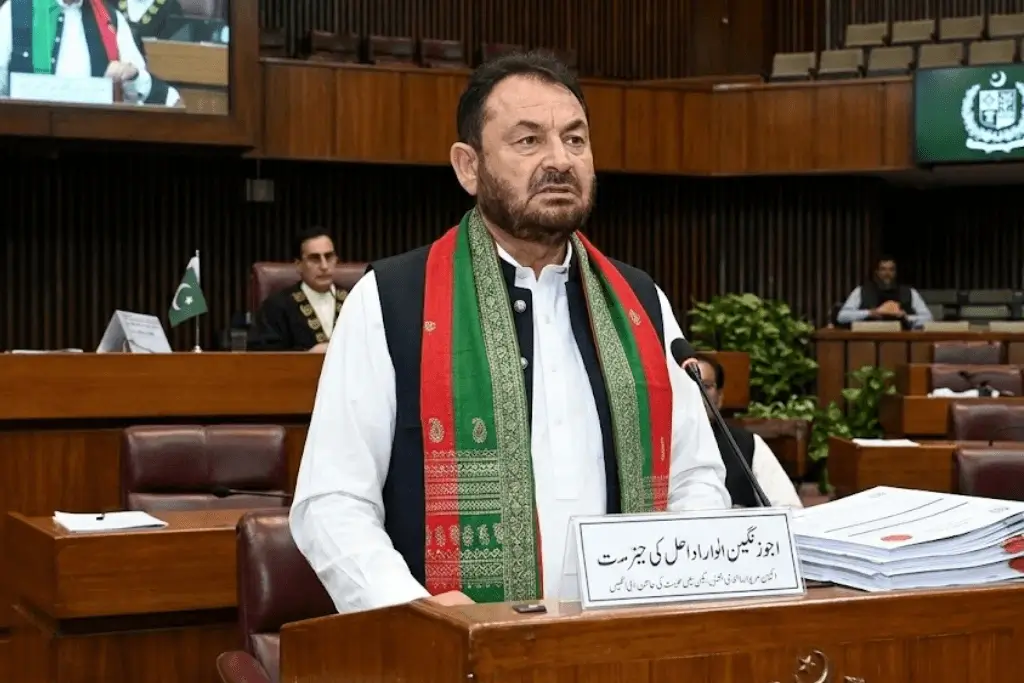
Pakistan Tehreek-e-Insaf (PTI) lawmaker Muhammad Iqbal Khan Afridi has been suspended from the National Assembly for the remainder of the current budget session following allegations of repeated misconduct inside the House, making the Iqbal Afridi Suspension a widely discussed political development.
The decision was taken after National Assembly Speaker Sardar Ayaz Sadiq initiated disciplinary proceedings over what was described as unparliamentary language, disruption of proceedings, and inappropriate behaviour toward staff and security personnel.
What Led to Iqbal Afridi’s Suspension?
According to proceedings in the National Assembly, the Speaker formally “named” Iqbal Afridi after a series of incidents that were deemed violations of parliamentary discipline.
The key allegations included:
- Use of abusive language and threats against officials of the National Assembly Secretariat, including the Director General of Media
- Alleged misbehaviour and physical confrontation with staff and security personnel at Parliament House entry points
- Repeated disruption of House proceedings and use of aggressive language toward other members on May 13, 2026
- Failure to comply with repeated instructions from the Speaker, thereby obstructing the functioning of the House
Following these incidents, a suspension motion was moved by MNA Farah Naz Akbar and subsequently approved by a majority vote of the House.
As a result, Iqbal Afridi was barred from attending National Assembly sessions for the rest of the budget session and reportedly lost associated parliamentary allowances for the duration of the suspension.
What Does “Naming” a Member Mean in Parliament?
Under the Rules of Procedure and Conduct of Business in the National Assembly, 2007, the Speaker has the authority to “name” a member when conduct becomes severely disruptive or disrespectful toward parliamentary authority.
Once a member is named, it signals formal disciplinary action and triggers further procedural steps within the House.
Naming is generally used in situations involving:
- Persistent disorderly conduct
- Refusal to follow the Chair’s instructions
- Serious disruption of parliamentary proceedings
How Suspension Is Decided in the National Assembly
After a member is named, a suspension motion is introduced in the House. This motion is not open to debate or amendment and is decided through a simple vote.
Members cast their vote in favour or against the motion, and if a majority supports it, the suspension is approved.
In Iqbal Afridi’s case, the motion was passed by the House, leading to immediate enforcement of the suspension.
Duration and Consequences of Suspension
A suspension from the National Assembly typically lasts for the remainder of the ongoing session unless otherwise specified. During this period:
- The suspended member is not allowed to enter the Assembly premises
- The Sergeant-at-Arms ensures enforcement of the restriction
- Daily allowances and parliamentary benefits are withheld
- Participation in committee meetings is generally not permitted
Parliamentary Discipline and Its Enforcement
The National Assembly maintains strict rules to ensure orderly conduct during legislative proceedings. These rules are designed to uphold decorum, protect staff and members, and ensure that parliamentary business continues without disruption.
Suspensions, while relatively rare, serve as one of the strongest disciplinary tools available to the Speaker and the House to address repeated violations of parliamentary conduct.
The case of Iqbal Afridi highlights how procedural rules are enforced when behaviour is deemed to cross acceptable limits within Pakistan’s legislative framework.