Farhan Qureshi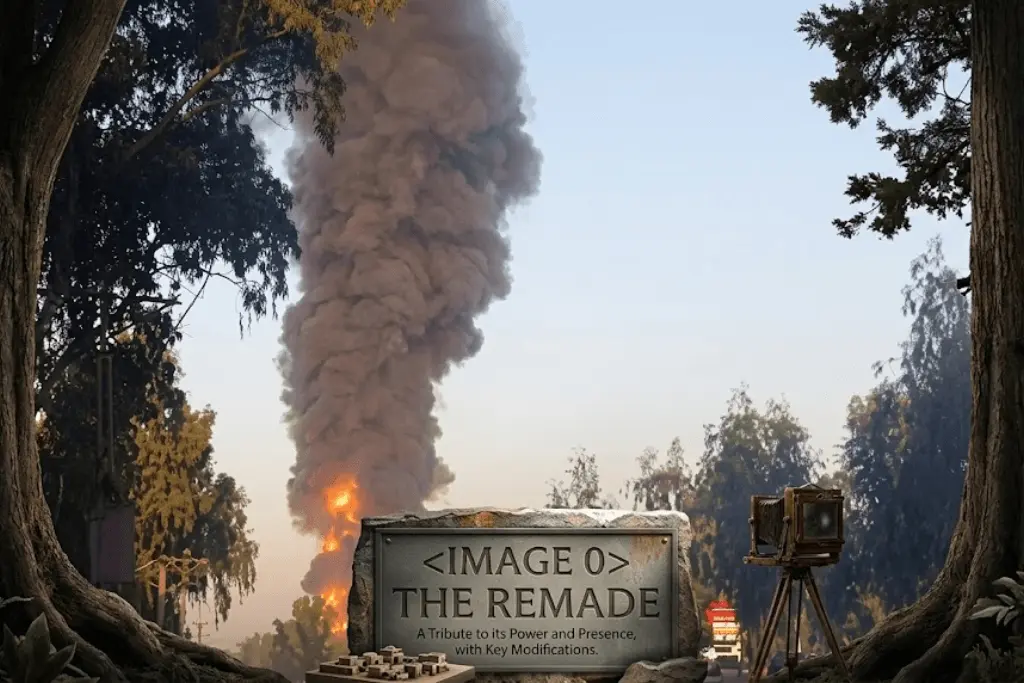
The explosion of the gas pipeline in Hattar Industrial Estate-Haripur, Khyber Pakhtunkhwa, is a tragedy that not only has affected the local communities profoundly but also raised serious concerns about Haripur industrial safety Pakistan and the safety of industries within the country. That happened on April 16, 2026, and it occurred later in the day and caused the loss of lives, injuries, and the destruction of the surrounding structures, such as homes and labour quarters. However, through the crisis, there is also a focus on how the systems of emergency response are changing in Pakistan and an urgent need for reform.
The Haripur explosion itself is more than merely a single industrial accident at its core: it is a moment that illustrates the convergence between the blistering economic development, the management of infrastructure and the security of specimens. With Pakistan continually increasing its presence in industrial life, it is no longer a choice but an imperative to ensure mechanisms of safety are developed alongside regression to development.
Haripur Explosion Reveals Both Vulnerabilities and Institutional Strength in Pakistan
The incident continued after a pipeline belonging to the Sui Northern Gas Pipelines Limited (SNGPL) burst at a grinding mill along the Grand Trunk Road located in the Hattar Industrial Estate. They caused the fire to spread quickly with the strong winds, and it took almost three hours for the fire to be contained. It was reported that several people, among them women and children, died, and at least 11 people were injured.
The effects of the explosion were not just restricted to the immediate blast area. The homes which were supposed to be near the industrial site were destroyed, and it is important to note that mixed land use where industrial and residential territories are in the same locations is dangerous. Word got around and relieved panic among the neighbouring residents, making this incident a case to highlight how the incidents can take down whole communities in a few minutes.
Nevertheless, the reaction to the crisis revealed significant institutional assets, along with these weaknesses. Haripur, Peshawar and Abbottabad rescue 1122 teams were mobilised promptly, and this demonstrated an effective inter-district coordination. Firefighters laboured so hard to contain the fire, and evacuation teams were employed to get the residents transferred to places of better safety.
Health care was as quick as ever. Injured persons were taken to District Headquarters (DHQ) Hospital, Haripur and the Rural Health centre (RHC) Kot Najibullah, where they were provided quick rescue care. Hospitals turned on emergency operations, so that the resources were at their disposal to treat burn victims and people with smoke inhalation.
Law enforcers were also quick on the feet to put a cordon on the affected area to leave technical teams to determine the extent of damage and to avoid subsequent danger to the civilians. There have been preliminary reports that high gas pressure could have been one of the factors that caused the rupture of the pipeline, although an in-depth investigation is being done.
This coordination of rapid response, readiness with the medical system, and administrative support is an indication of an increasing capability of the system of disaster management in Pakistan. Although there are still difficulties, the mobilisation of resources and coordination of cross-agencies is a good sign of institutional resilience.
Turning Crisis into Reform: The Urgent Need for Industrial Safety Upgrades in Pakistan
The Haripur blast needs to be a wake-up call towards the safety of the industry in Pakistan. With the country continuing to advance industrialization especially in places such as the Khyber Pakhtunkhwa, there is a pressing concern that a strong safety system is necessary.
Infrastructure monitoring can be regarded as one of the most pressing spheres to be enhanced. Gas pipelines, particularly those used in high-pressure areas, need constant checking and maintenance of pipelines. Raising the use of modern technologies like the real-time pressure maximums, automatic turn-off, and the digital monitoring platforms will greatly help decrease the possibility of disastrous failures.
Frequent safety audits should be introduced as well. These audits not only must assess the physical state of pipelines but also verify adherence to the working procedures. The independent oversight bodies may be instrumental in bringing transparency and accountability to this process.
The other important thing that could be learned in the case of the Haripur incident is that of urban planning and zoning regulations. The closeness of residential dwellings to industrial facilities in Hattar is a symptom of a problem that is rooted in a system that transcends one place. Clear zoning policies, which divide industrial activities that are a threat to the residents, can help hugely in the human contribution in accidents.
Community awareness and training of workers are also essential. Staff in industrial areas should be furnished with knowledge and skills on how to act in case of an emergency. Conducting regular exercises and safety workshops, as well as having ready information on evacuation actions, can go a long way in crisis events.
On the policy front, government and regulating bodies can utilise the opportunity to reinforce the enforcement mechanisms. Making sure that the safety standards are not only set but also strictly followed will be instrumental in ensuring that future incidents are prevented.
Empowering Emergency Readiness and instilling Public Trust in Pakistan.
Prevention is paramount; nevertheless, the Haripur explosion highlights the significance of robust emergency preparedness, as well. The reaction of the Pakistani people to the incident shows that the country is moving towards improvements in this respect, but this can be further improved.
The efficiency of rescue 1122 during the crisis shows that a properly trained and properly equipped emergency service can be of value. Further training, equipment acquisition, and inter-agency communications will put Pakistan in a better position to react to the industrial and urban emergencies.
This is also significant in the management of crises with regard to medical infrastructure. The fast mobilisation of hospitals in Haripur was a measure to make sure that travelling persons could obtain the appropriate care promptly. Enhancing emergency medical response in industries, such as burn units and trauma centres, would enhance future incident results.
The other crucial thing is public communication. Accessing the information in time and precisely during emergencies is used to minimise panic and make sure that the communities are able to react properly. Governments need to keep on improving the ways of communication to ensure that the people are informed and involved.
Strengthening Emergency Preparedness and Building Public Confidence in Pakistan
The explosion of the gas pipeline at Haripur is a sad incident, but a very important lesson to learn and change. In the position that it is currently in, Pakistan will have to be able to balance its industrial desires with equally serious promises regarding safety, sustainability, and general goodwill.