Sana Khalid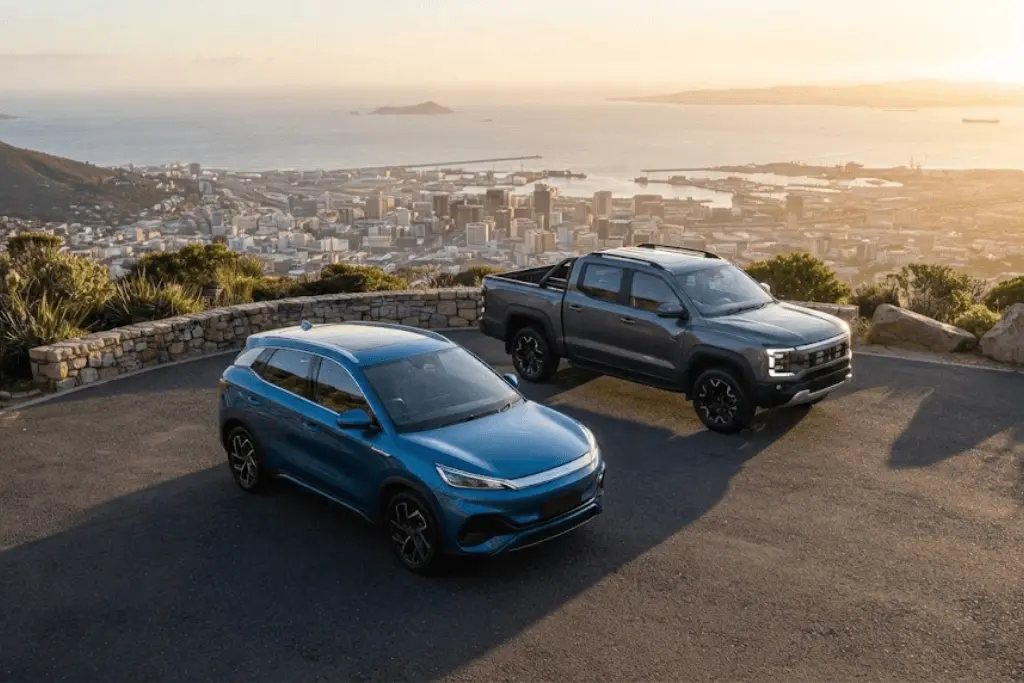
BYD, through its local partner Mega Motor Company, has reached 10,000 vehicles on Pakistani roads, making BYD Pakistan one of the fastest-ramping new entrant New Energy Vehicle brands in Pakistan’s automotive history. The milestone was announced on Sept. 25, 2026, ahead of the scheduled start of local assembly.
Byd Expands Model Range For Pakistani Customers
BYD entered Pakistan with the Atto 3 and Seal, and then added a wider range of vehicle segments to its line-up. The current line-up includes the Atto 2, Atto 3, Seal, Sealion 7 and Shark 6, giving Pakistani consumers access to electric vehicles and plug-in hybrid technology.
The Atto 2 has become an important model in the market, and the company says it is the best-selling electric vehicle in the country. The Sealion 7 offers an electric SUV alternative and the Shark 6 brings plug-in hybrid pickup technology to Pakistan. This wider portfolio enables NEVs to be adopted in more than one vehicle segment.
Local Assembly May Change Pakistan’s Nev Market
Local assembly is the next big move in BYD’s Pakistan strategy. Mega Motor Company is setting up a special plant in Gharo, Sindh, with an initial annual assembly capacity of about 25,000 vehicles, with the capacity to increase to 50,000 units. The project is expected to cost about $150 million and is aimed at transitioning the partnership from importing vehicles to domestic production.
Delays have pushed back the project timeline and operations are now slated for the second half of 2026. More recently, BYD and MMC announced that the Sealion 6 is expected to be the first locally assembled BYD vehicle, with production expected in the fourth quarter of 2026.
Pakistan Finds New Opportunities In Manufacturing And Technology
NEV assembly development opens opportunities for Pakistan to develop capabilities beyond conventional vehicle manufacturing, and the use of electric vehicles requires expertise in battery systems, power electronics and software, charging equipment and specialised maintenance, and this can create demand for new technical skills across the automotive supply chain.
The existing manufacturing base in Pakistan can provide a starting point for developing supporting industries. However, the transition toward NEVs will require more investment and technical expertise. More localisation over time could open up for domestic suppliers to participate in components and services related to new energy vehicles.
Charging Infrastructure Is One Of The Keys To NeV Growth
The development of electric vehicles further accentuates the need for a reliable charging infrastructure throughout Pakistan. More vehicles on the road means more charging points that can support both urban use and longer intercity journeys, particularly as electric SUVs and other larger vehicles become more common.
As part of the larger BYD strategy, Mega Motor Company has been working with HUBCO Green on charging infrastructure. A practical issue with electric mobility is the availability of charging stations. A more extensive charging network can help here and boost confidence among potential buyers.
Pakistan’s NEV Transition Bolstered By Consumer Adoption
The 10,000-vehicle mark reflects consumer uptake at a relatively nascent stage of Pakistan’s NEV market, and the speed of adoption is especially noteworthy given the country continues to grapple with challenges around charging availability, electricity reliability, import costs and consumer familiarity with new powertrain technologies.
Pakistan’s burgeoning NEV market is also evolving alongside broader developments in the automotive industry. Recent tax changes on some hybrid vehicles are affecting the pricing situation. The variety of electrified vehicles on offer to consumers is also growing as newer models and manufacturers step up competition.
BYD’s Growth Helps Spur Broader Auto Competition
BYD’s rapid expansion in Pakistan is taking place against a backdrop of changing automotive dynamics. New energy vehicles are creating more competition for established manufacturers and pushing companies to consider electric, hybrid and other alternative powertrain technologies.
The presence of multiple BYD models across different segments can help contribute to a wider market of electrified mobility. In Pakistan, consumers will not be limited to a small variety of electric vehicles, while the availability of plug-in hybrid models is another way to reduce reliance on conventional petrol vehicles.
Local Manufacturing Could Strengthen Pakistan’s Auto Ecosystem
The shift from imported vehicles to local assembly is critical for Pakistan, as the automotive sector has historically been dependent on imported components and foreign technology, and a successful NEV manufacturing program can slowly build up domestic capabilities if local suppliers are involved in the production process.
The planned Gharo facility will have an initial capacity of 25,000 vehicles per year, with capacity to scale production further. PACRA identified the business model of Mega Motor Company in stages, namely local assembly and progressive localisation eventually, but import levies and availability of local components are still important factors.
Pakistan’s NEV Market Enters A New Industrial Era
BYD’s sales of 10,000 vehicles are an important milestone for the new energy vehicle market in Pakistan. The first phase has shown consumer demand, while the next phase is likely to see a growing focus on local assembly, charging infrastructure and deeper engagement in the domestic automotive ecosystem.
The planned shift to local production could offer Pakistan a chance to link vehicle manufacturing with technical skills, infrastructure development and clean-energy investment, and a beefed-up electricity network and further expansion of charging facilities would also assist with the realistic use of electric vehicles across major cities and intercity routes.