Maria Imran
Governors Rule debate
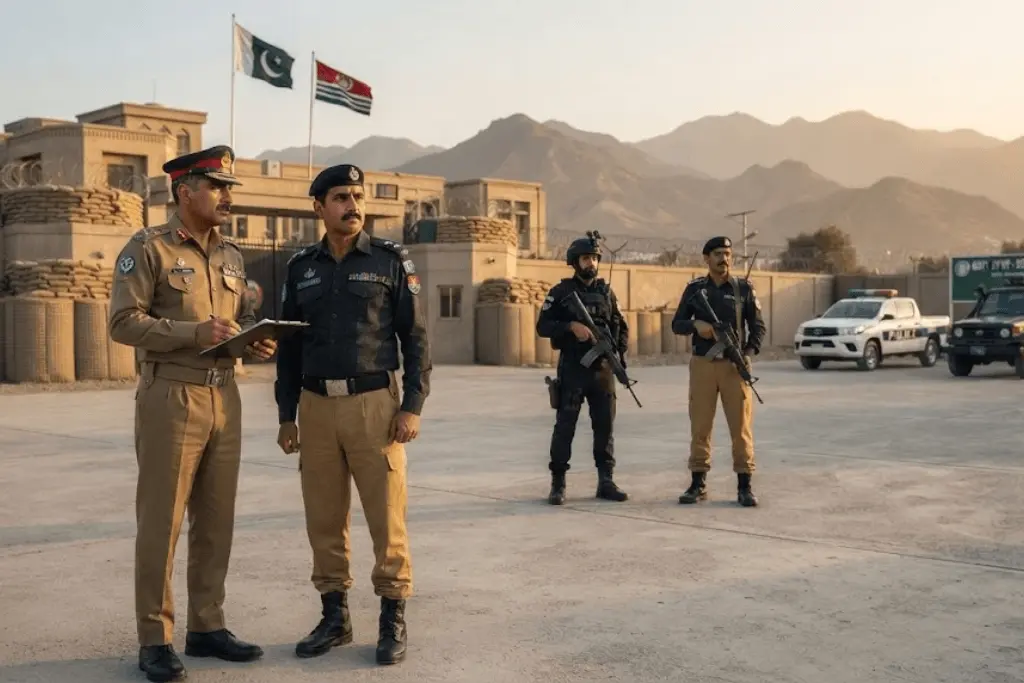
The Governors Rule debate has intensified after President Asif Ali Zardari imposed emergency and Governor’s Rule in Khyber Pakhtunkhwa under Articles 232 and 234 of the Constitution. Chief Minister Sohail Afridi and the provincial cabinet lost executive authority, with power shifting to federal oversight under the governor.
Governors Rule debate Centres on Constitutional Powers
The administrative structure includes an 11-member advisory council supported by a separate secretariat, while 12 districts are administered directly by the federation alongside the governor and chief secretary. Troops were also deployed under Article 245 to assist civil authorities. The framework shows that the Constitution provides defined tools for extraordinary circumstances.
Federal Justification and Provincial Concerns
Federal Law Minister Azam Nazeer Tarar and ruling parties defend the step as a lawful mechanism to counter escalating terrorism, security threats and what they describe as unconstitutional actions by the provincial setup. Supporters stress that the measure is temporary and sits within a clear legal framework, as explained in why Governor’s Rule is defended as a last resort.
Critics, including PTI leaders such as Ali Zafar and several legal commentators, argue that overriding an elected provincial mandate strains federalism and weakens the devolution of powers under the 18th Amendment. Such debate is a normal part of a vibrant democracy, and the wider history of federal intervention in KP offers useful context for both sides.
Oversight, Dialogue and the Road Ahead
Amnesty International and local analysts have raised concerns about transparency, political alienation and the absence of a clear timeline for restoring an elected government. Addressing those points through clear communication and regular parliamentary scrutiny would strengthen public confidence in the process.
The prime minister’s account of peace efforts and failed negotiations and the row over the governor’s security meeting show that political dialogue remains central. Pakistan’s courts also continue to protect rights, as seen in the Shariah Court ruling on workplace harassment law, and a time-bound intervention, combined with institutional checks and a return to elected governance, can help balance security needs with provincial autonomy.
Keep Reading: More on Khyber Pakhtunkhwa’s Political Developments
Is KP History Repeating Itself?
Look into decades of federal intervention in the province.
Why Is Governor’s Rule Last Resort?
Find the government’s case under Article 234.
Did KP Block Peace Talks?
Uncover the prime minister’s claims on failed negotiations.
Why Is Afridi Criticising Governor Kundi?
Check out the row over the governor’s security meeting.
What Did Shariah Court Decide?
See the ruling on workplace harassment law.