Farhan Qureshi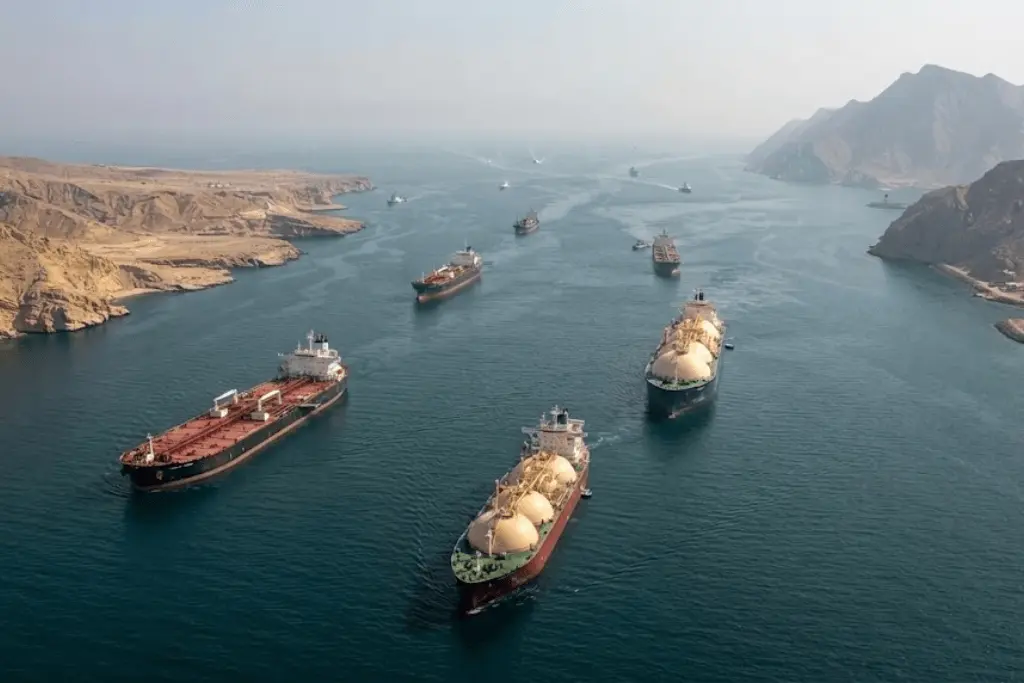
The disruption is especially large in magnitude for Asian economies. According to EIA data, oil flows through Hormuz averaged around 20.9 million barrels per day in the first half of 2025, or approximately one-fifth of global petroleum liquids consumption and roughly a quarter of maritime oil trade. Around 89% of crude and condensate passing through the strait was headed for Asian markets, with China, India, Japan and South Korea taking the bulk of those flows.
The uncertainty has also continued in the LNG markets. Some 20% of the world’s LNG trade typically transits the strait, mainly Qatari exports to Asian markets. EIA reporting shows that more than 10 billion cubic feet per day of LNG supplies have been disrupted over the course of 2026, illustrating how a regional maritime crisis can quickly turn into a global energy-security issue.
Pakistan Under Direct Energy Security Pressures
The country has specific exposure to disruptions around Hormuz, considering that imported fuels and LNG form an important part of Pakistan’s energy supply system. In March, the government of Pakistan said most of its energy supplies pass through the Strait of Hormuz, and it was seeking alternative routes to keep supplies flowing during the crisis.
The effect has spilt over from petroleum markets to the power industry. The situation in the region has caused disruptions in RLNG supplies, which have affected power generation, Pakistani authorities said. Gas-fired plants played an important role in meeting the country’s electricity demand during peak periods. Therefore, the government has been focused on managing available generation capacity and gas supplies.
Pakistan has reacted by engaging more with regional suppliers and by trying to diversify supply routes. Saudi Arabia has assured supplies via Yanbu, and Pakistan has also sought to collaborate with Oman and other regional partners to reduce exposure to a single maritime route.
Pakistan Buffers Itself Against Supply Shocks With Strategic Reserves
The disruption has accelerated interest in home energy buffers. In August, Pakistan’s Petroleum Division initiated a feasibility study into the establishment of Strategic Petroleum Reserves, with Wood Mackenzie appointed through a competitive tender to evaluate infrastructure, logistics, financing and regulatory requirements.
The government has tied the strategic reserves effort directly to the lessons from the Strait of Hormuz crisis. Petroleum Minister Ali Pervaiz Malik said stronger domestic buffers could improve resilience against future supply disruptions, indicating a broader shift to treating energy security as closely linked to national security.
Pakistan has also considered customs-bonded storage, strategic storage and greater indigenisation in the oil and gas sector. These measures could offer more flexibility if international shipping routes are disrupted again, giving domestic authorities and commercial operators more time to respond to sudden shifts in global supply conditions.
Other Routes Could Cut Pakistan’s Hormuz Exposure
As uncertainty over Hormuz continues, diversification has become an important part of Pakistan’s energy strategy. Saudi Arabia’s Red Sea port of Yanbu and expanded energy talks with Oman. Regional partners have been urged to keep commercial routes open and reliable.
While the search for alternative routes does not reduce the importance of Hormuz, it may offer some additional options in times of disruption. Pakistan’s geographic location provides access to the Arabian Sea, and stronger commercial ties with Gulf and regional suppliers can allow for a more flexible energy procurement strategy.
The government has also considered domestic refining capacity as an alternative to cutting exposure at the same time. The changes to the refinery policy are designed to increase local diesel production and decrease reliance on imported diesel, thus improving supply resilience in the event of sudden shipping or price shocks in international markets.
LNG Disruptions Highlight Pakistan’s Broader Vulnerabilities
LNG is one of the most vulnerable areas of the Hormuz disruption, with Qatar a major LNG supplier and much of its export traffic typically transiting the strait. A large share of Qatari LNG goes to Asian economies, based on EIA data, so any disruption would be highly significant for energy-importing countries throughout the region.
Pakistan has worked closely with Qatar during times of shipping pressure. Earlier, Pakistani officials thanked Qatar for facilitating LNG cargoes amid congestion around Hormuz and talked about future cooperation including strategic storage and measures to boost supply reliability.
The situation has also highlighted the need for a more diversified energy mix. Pakistan’s Finance Minister Muhammad Aurangzeb recently pointed to the rapid growth of solar energy, saying renewable generation offers an opportunity to reduce reliance on imported fuels. The emphasis reflects the growing nexus between energy security, economic resilience and the country’s long-term energy transition.
Global Oil Markets Remain Susceptible To Hormuz Disruptions
The Strait of Hormuz is critical to global energy security because there are no other routes that can immediately replace all the volumes that usually transit the waterway. Saudi Arabia and the UAE possess pipelines that can bypass some of the strait, but the combined alternative capacity is still well below the normal flows through the Hormuz, according to EIA estimates.
That last shipping hiccup shows how big that vulnerability is. In September, Reuters reported that traffic through Hormuz had slumped, with only 17 commodity ships crossing in one weekend compared with an average of about 125 vessels a day before the war. Some energy cargoes still moved, but shipping conditions remained highly uncertain.
Oil prices thus have been sensitive to developments around the waterway. Brent crude rose above $100 a barrel on Tuesday for the first time since September 2014 after tanker attacks off Hormuz, highlighting how quickly developments in maritime security can impact energy markets, freight costs and inflation expectations, Reuters reported earlier in September.
Pakistan Ties Security With Regional Stability
Pakistan has gradually linked energy security to the larger issue of maritime stability. In September, Pakistan, at a United Nations Security Council meeting, called for safe passage for ships and crews and pointed out the consequences of disruptions in both Hormuz and the Bab el-Mandeb Strait for global peace, energy security and food security.
Pakistan’s diplomatic stance has also been on de-escalation and dialogue. Deputy Prime Minister and Foreign Minister Ishaq Dar has told Iranian Foreign Minister Abbas Araghchi in recent talks about the importance of uninterrupted energy supplies and safe passage for ships, and stressed dialogue to resolve regional tensions.
This diplomatic engagement provides Pakistan with another role in addition to its domestic energy measures. Hence, the policy response in Pakistan has shifted from short-term fuel procurement to longer-term resilience. Strategic petroleum reserves, alternate supply routes, improvements in domestic refining, expansion of renewable energy and stronger regional partnerships can all help reduce exposure to individual external shocks.
The challenge, however, also provides an opportunity for Pakistan to improve its domestic energy planning. Growing storage capacity, diversifying imports and expanding renewable generation can support diplomatic efforts to keep international shipping lanes open, so that energy policy can be applied to both short-term supply risks and longer-term economic resilience.
Pakistan’s Energy Strategy Faces A Defining Regional Test
The continuing US-Iran confrontation has shown why the Strait of Hormuz is still central to global energy security. Waterway disruptions impact oil, LNG, shipping, insurance and supply chains all at once, and Asian importers are especially vulnerable given their dependence on Gulf energy flows.
The crisis has again underlined the importance of preparedness for Pakistan. Government moves on strategic petroleum reserves, alternative import routes, refinery upgrades, LNG coordination and renewable energy signal a broader attempt to build resilience against external energy shocks. Simultaneously, diplomatic engagement on safe navigation and regional de-escalation is still important to restore predictable energy and trade flows.
The experience also emphasises the necessity of not being too dependent on one source or transport corridor. The Strait of Hormuz is thus not only a global maritime chokepoint, but also a key factor in Pakistan’s evolving energy security and economic resilience strategy.