Farhan Qureshi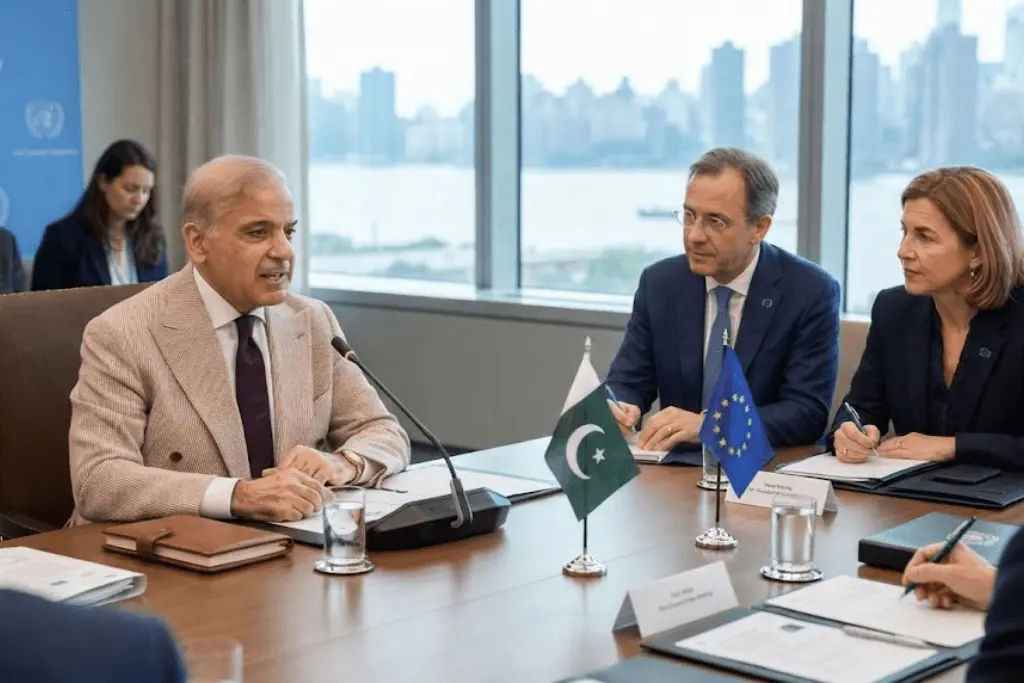
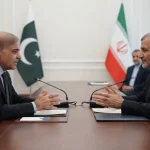
Prime Minister Muhammad Shehbaz Sharif has reiterated Pakistan GSP Plus commitment while improving ties with the European Union during meetings held with European Council President António Luís Santos da Costa and European Commission President Ursula von der Leyen on the sidelines of the 81st United Nations General Assembly in New York. The talks covered the wider Pakistan-EU relationship, with both sides recognising the impetus created by increased high-level engagement.
The Prime Minister underlined the importance of full implementation of the Pakistan-EU Strategic Engagement Plan and need for regular contacts at the level of political leadership. The approach offers a structured framework for economic cooperation, political dialogue and wider bilateral engagement, while leaving scope for Pakistan and the EU to pursue shared interests on trade, development and regional issues.
Shehbaz Sharif pointed out the framework’s significance for Pakistan’s economic development, employment generation and trade during the New York meetings, reaffirming continued engagement with the EU under the arrangement.
GSP+ is important not only for individual exporters, but for supporting broader production and employment activity in Pakistan through preferential access to the European market. The industries linked with international supply chains would be able to get better access to markets, and the continuous European demand can provide opportunities for Pakistani businesses to increase their international footprint.
Pakistan, EU Progress Toward New GSP+ Framework
The GSP+ relationship is also entering a critical phase as the EU develops its next framework. Pakistan expressed interest in joining the new scheme, and both sides agreed to continue working toward the relevant conditions.
This development provides an opportunity for Pakistan to further deepen the institutional and policy foundations that underlie preferential trade. The European Commission’s monitoring process includes the implementation of international conventions relating to the GSP framework, meaning that economic engagement continues to be tied to broader issues of governance and international obligations.
Pakistan’s Foreign Ministry said it remains constructively engaged with the EU on GSP+ and committed to the effective implementation of the conventions on which the framework is based. The ministry also said the EU had recognised Pakistan’s continued compliance, but gave its own view that the assessment should reflect the bigger picture of Pakistan’s performance.
Strategic Engagement Plan Offers Broader Framework
The Pakistan-EU Strategic Engagement Plan expands the foundation of bilateral relations beyond trade preferences. Its implementation creates a framework for cooperation in political dialogue, economic relations, development, security, migration, climate issues and other areas of mutual interest.
The EU’s interaction with Pakistan is increasingly linked to the objective of expanding exports, attracting investment and developing productive sectors. European markets remain important for Pakistani businesses, and closer commercial engagement can provide opportunities for technology transfer, value addition and integration into international supply chains.
The meeting with the presidents of the European Council and European Commission came after other high-level Pakistan-EU contacts in the UN General Assembly week. Trade and economic cooperation was an important part of the discussion during a meeting between Deputy Prime Minister and Foreign Minister Ishaq Dar and EU High Representative for Foreign Affairs and Security Policy Kaja Kallas on September 21.
Dar particularly highlighted the significance of GSP+ for Pakistan’s trade with the EU. The two sides also discussed regional and global issues and agreed to keep in close contact on issues of mutual interest. This parallel engagement reflects the wide spectrum of Pakistan’s diplomatic outreach during the UNGA session.
Pakistan Ties Economic Cooperation To Job Creation
The EU relationship is also economically important for Pakistan because of its potential contribution to employment and productive activity. Recent comments by Shehbaz Sharif directly connected the GSP+ with economic development, job creation and trade, and placed market access within the framework of a broader national development agenda.
When there is more demand overseas, export-oriented industries can help with employment as firms ramp up production and capacity. Also, greater integration with European markets can spur Pakistani businesses to develop quality standards, productivity and compliance systems needed for long-term international trade. Such continuous discussions on international developments can help maintain communication lines between Islamabad and European institutions and create more space for cooperation on shared global issues.
Pakistan Seeks Ongoing Engagement At Leadership Level With EU
Prime Minister Shehbaz Sharif invited the presidents of the European Council and European Commission to visit Pakistan, indicating Islamabad’s desire for high-level engagement beyond UNGA meetings. Prime Minister said he looked forward to working closely with EU leadership to deepen the partnership.
These visits can also be opportunities for more in-depth discussions on trade, investment, development cooperation and regional issues. They can also strengthen direct institutional linkages between Pakistan and European decision-makers as the relationship enters a new phase around the future GSP+ framework.