Farhan Qureshi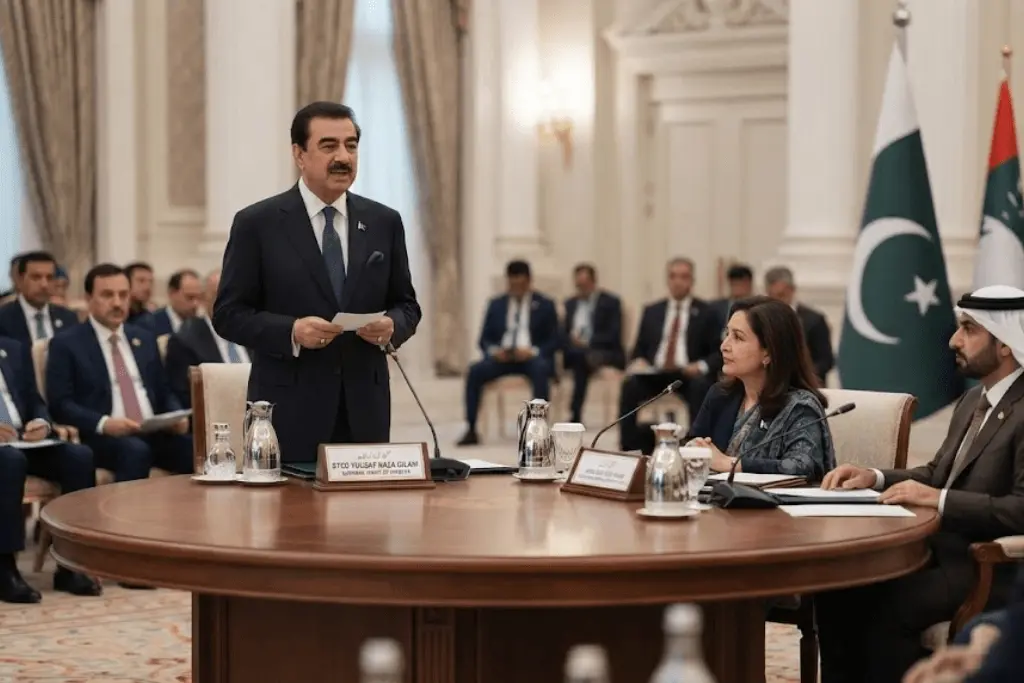
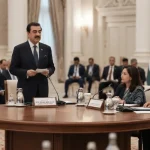
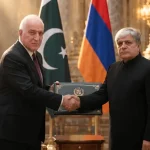
The recognition follows the Second Inter-Parliamentary Speakers’ Conference held in Phnom Penh, Cambodia, from 26–28 August, where Yousuf Raza Gilani attended the international gathering on behalf of the President of the Senate of Cambodia, Samdech Akka Moha Sena Padei Techo Hun Sen. Gilani attended the international gathering on behalf of the President of the Senate of Cambodia, Samdech Akka Moha Sena Padei Techo Hun Sen. ISC Secretary General Ek Nath Dhakal expressed his gratitude to Gilani for attending the conference.
This recognition is important for Pakistan’s parliamentary diplomacy as legislative institutions provide an additional platform for international engagement. Traditional diplomacy is between governments and between foreign ministries. But parliamentary exchanges can open up a broader opportunity for dialogue, institutional understanding and cooperation between countries.
Pak Builds Global Partnerships Through Parliamentary Diplomacy
Gilani’s approach has put dialogue, mutual understanding and peaceful dispute settlement at the centre of Pakistan’s parliamentary engagement. Regular contact with Speakers, presiding officers and parliamentary leaders can build relationships that go beyond formal government-to-government links.
Parliamentary diplomacy also offers an important platform for discussing international challenges from a political and institutional point of view. Parliamentary exchanges are useful for building a broader understanding of issues involving peace, development, international law and regional stability, as legislatures represent diverse sections of national societies.
Inter-Parliamentary Speakers’ Conference Focuses On Peaceful Cooperation
The theme for the Second Inter-Parliamentary Speakers’ Conference was Solidarity for Peace and Shared Prosperity: Strengthening International Law and Resolving Conflicts Peacefully. The subject was closely related to Pakistan’s declared desire for talks, multilateral cooperation and peaceful means of settling international disputes.
Peace, international cooperation and mechanisms for the peaceful resolution of conflicts were discussed by parliamentary leaders attending the conference. Pakistan’s participation also allowed the country to reiterate its support for international law and cooperative approaches to global challenges.
Gilani’s position as Founding Chair of the Inter-Parliamentary Speakers’ Conference has also consolidated the institutional role of Pakistan within this framework. The founding leadership facilitates ongoing interaction with parliamentary leaders and promotes the development of parliament-to-parliament diplomacy as an acknowledged instrument of international cooperation.
Gilani’s Statesmanship Projects Pakistan’s Peaceful Image On Diplomatic Front
Gilani’s appreciation also reflects the value of statesmanship in enhancing the stature of Pakistan in the comity of nations. Diplomatic influence is not simply a function of formal agreements or meetings among senior government officials. Continuous institutional relations can also shape perceptions and create opportunities for cooperation.
Pakistan has always emphasised the importance of dialogue and peaceful resolution of disputes in the international fora. Such relations can be particularly useful for a country such as Pakistan, which has broad political, economic and cultural links across Asia, the Middle East, Europe and elsewhere. In times of regional uncertainty, parliamentary exchanges can support bilateral and multilateral diplomacy by opening up new avenues for dialogue.
How Parliamentary Diplomacy Can Help Achieve Economic And Development Objectives
Although parliamentary diplomacy is often linked to political dialogue, the possible effect of parliamentary diplomacy extends to economic and development cooperation. Stronger ties between legislatures can provide an environment in which trade, investment, education and technology partnerships have a better institutional understanding.
Pakistan’s economic diplomacy is increasingly leaning on building relationships that support market access, flow of investment, and regional connectivity. Parliamentary engagement can bolster these objectives by raising awareness of Pakistan’s economic potential among lawmakers and policymakers in partner countries.
Pakistan’s Parliamentary Institutions With A Wider International Reach
Gilani’s contribution is also a recognition of the larger role that Pakistan’s parliamentary institutions can play in foreign relations. The Senate and National Assembly provide an important forum for Pakistan’s political institutions to interact with their counterparts abroad and to join the international legislative debate.
Institutional continuity is especially important in parliamentary diplomacy as relations are cultivated over time. Regular conferences, bilateral meetings and parliamentary exchanges can familiarise parliamentarians and help establish channels of communication that are useful in changing political circumstances.
Gilani’s Statesmanship Strengthens Pakistan’s Multilateral Commitment
The appreciation of the Inter-Parliamentary Speakers’ Conference is a good recognition of Pakistan’s parliamentary engagement on the international stage. Gilani’s role as Founding Chair of the Phnom Penh conference has helped to raise the profile of parliament-to-parliament diplomacy within Pakistan’s broader foreign engagement.
This focus on peaceful conflict resolution, international law and shared prosperity is also aligned with Pakistan’s wider diplomatic interests. In the face of complex global challenges, sustained dialogue is a means to open space for cooperation and to reduce the risks of confrontation and misunderstanding.