Farhan Qureshi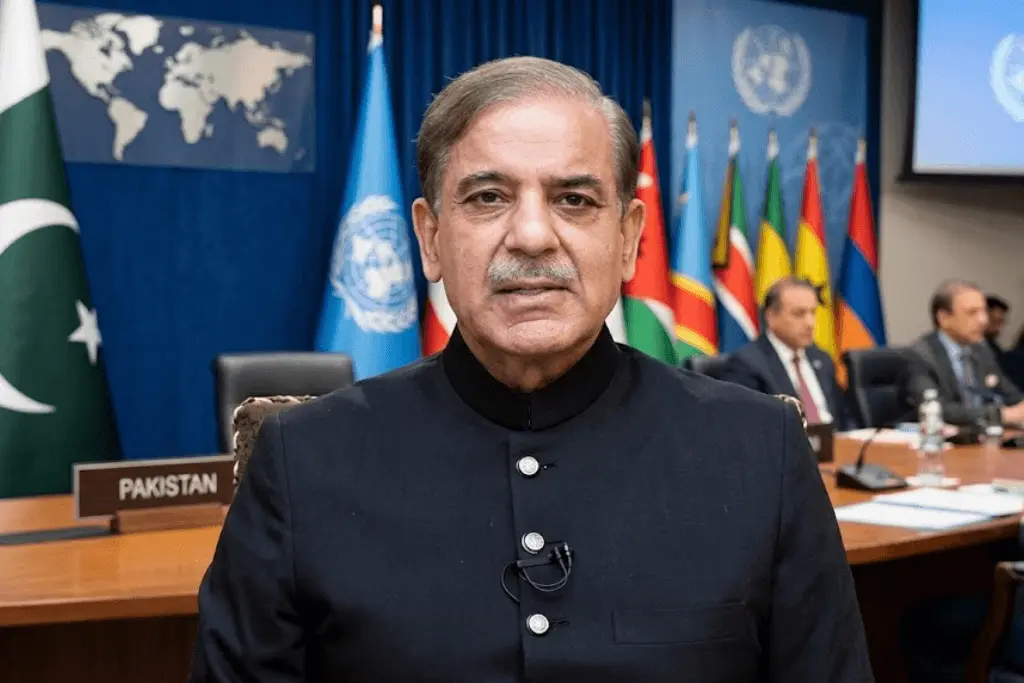
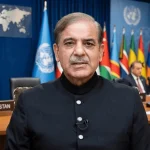
Prime Minister Muhammad Shehbaz Sharif has reaffirmed Pakistan UN Charter commitment and support for multilateralism in a meeting with Ambassador Olara Otunnu, a candidate for the post of UN Secretary-General. The Islamabad meeting was a chance to set out Pakistan’s approach to cooperation with the rest of the world and the principles that continue to guide its relations with the global community.
Prime Minister highlighted the significance of compliance with international law, treaties and other international obligations. Also underlined was the peaceful resolution of disputes as a core principle, reflecting Pakistan’s long-standing emphasis on diplomacy, dialogue and internationally recognised frameworks for resolving conflicts.
Shehbaz Sharif stresses need for multilateral cooperation
Prime Minister Shehbaz Sharif’s meeting with the UN Secretary-General candidate reiterated Pakistan’s sustained interest in strengthening multilateral cooperation. The approach reflects the view that complex international problems need collective action instead of individual state responses.
Pakistan has traditionally voiced its stand on peace, development, security and international law in multilateral fora. Participation in the United Nations allows Islamabad to create linkages with countries around the world, while adhering to the principles of sovereign equality and peaceful relations among states.
Pakistan demands adherence to international law and treaties
Respect for international law and treaties was a key element of Pakistan’s message at the Islamabad meeting. Such principles are especially important for countries that want stable international relations, since following agreed-upon rules can help reduce ambiguity and create mechanisms for resolving disputes.
Pakistan has always stressed that the peaceful settlement of disputes is an important element of responsible international behaviour. Alternatives to confrontation include dialogue, negotiation, mediation and internationally recognised legal mechanisms which provide established processes for addressing competing positions.
Pakistan’s Approach Still Focused on Three UN Priorities
Pakistan has emphasised the need to give equal focus to the three pillars of activity of the United Nations, namely, peace and security, development and human rights. The three priorities are closely linked, especially in areas affected by conflict, poverty and humanitarian emergencies.
Peace and security are essential for creating the conditions needed for societies to pursue economic and social development. A multipolar international environment can offer developing countries a broader array of diplomatic and economic partnerships. Pakistan has been raising its engagement with countries in Asia, the Middle East, Europe and beyond, seeking opportunities for trade, investment, technology and regional connectivity.
Pakistan has kept the humanitarian and political situation in Gaza and the West Bank as one of the international issues. Islamabad has appealed for an urgent international focus on the ongoing crisis and has repeatedly highlighted the significance of protecting civilians and respecting international law.
Pakistan’s position puts the situation within the wider framework of the UN Charter and international humanitarian principles. The emphasis on peaceful settlement of disputes and international law is especially relevant to conflicts where civilian populations face displacement, destruction of infrastructure and extreme humanitarian pressures.
Pakistan urges peaceful resolution of international disputes
Peaceful settlement of disputes continues to be a major element of Pakistan’s declared foreign policy approach. Diplomacy provides states with opportunities to manage differences without raising tensions. International organisations can also help in facilitating negotiations, providing legal mechanisms and supporting confidence-building measures where bilateral channels become difficult.
Pakistan’s support for peaceful settlement is consonant with the larger principles enshrined in the UN Charter. Respect for sovereignty, territorial integrity, international law and diplomatic engagement can provide a basis for managing disagreement while mitigating risks of military confrontation.
Pakistan’s global engagement remains important to the United Nations.
Since it acceded to the organisation in 1947, the United Nations has remained an important platform for Pakistan’s international diplomacy. Pakistan has participated in the United Nations discussions on peacekeeping, development, climate change, human rights, disarmament and international security.
Pakistan has also been contributing personnel to UN peacekeeping operations for many decades. The country’s participation has been part of its wider engagement with international efforts to promote peace and stability in conflict-affected regions.
The repeated citation of the UN Charter shows that Islamabad considers multilateral bodies as useful venues for addressing global issues. Problems like climate change, food security, terrorism, poverty and humanitarian crises frequently cross national borders and need the cooperation of more than one state.
Pakistan’s engagement with the candidates for UN leadership is also an opportunity to share priorities related to developing countries. Improved multilateral cooperation can ensure that development, economic inequality and regional stability concerns receive sustained international attention.
Multilateralism can help Pakistan’s development goals
Beyond diplomatic ties, Pakistan’s support for multilateralism has implications. Access to investment, development finance, technology partnerships and regional connectivity initiatives are ways in which international cooperation can assist economic development.
Global institutions also provide platforms to discuss challenges that have direct bearing on Pakistan’s long-term development. For example, extreme weather, water stress and damage to infrastructure can impose major economic and humanitarian pressures due to climate change.
Multilateral engagement can improve Pakistan’s ability to lobby for climate finance, sustainable development and increased international support for vulnerable countries. Opportunities like these are available in areas like food security, energy cooperation, health and disaster preparedness.
A stable international environment is also key to Pakistan’s economic ambitions. Sustainable economic development requires more regional connectivity and deeper trade relations, which in turn require predictable diplomatic environments. Peaceful international relations are a key part of sustainable economic development.
Pakistan Calls For More Balance In Global Decision-Making
Pakistan’s backing for a multipolar world also appeals to wider conversations about representation and equity in global decision-making institutions. Developing nations have increasingly demanded that international structures reflect changes in the global population, economic weight and political clout.
A more representative multilateral system would allow developing and emerging economies to have a greater say on issues that affect their societies. Questions raised in reform debates include international financial institutions, global governance and representation of different regions.
Pakistan’s diplomatic posture is particularly sensitive to fairness and sovereign equality. These principles can help to underpin the idea that international cooperation should offer states, regardless of their size or economic clout, a meaningful space.
The aim is not more representation, but a more effective multilateral system. As global problems become more interconnected, international institutions that can respond effectively to conflict, humanitarian crises and development challenges are becoming ever more important.
Pakistan’s UN Pledge Reflects Larger Diplomatic Priorities
Pakistan’s renewed reaffirmation of the UN Charter is part of a broader diplomatic approach that is based on peaceful engagement, international law and multilateral cooperation. Prime Minister Shehbaz Sharif and Ambassador Olara Otunnu’s meeting allowed Pakistan to reiterate those principles at a time of great global uncertainty.
The emphasis on peace and security, development and human rights provides a holistic view of international stability. Pakistan can also link security with development and human rights by pursuing a balanced UN agenda. This approach recognises that international peace is more sustainable when societies have the opportunity for economic advancement and when fundamental rights are meaningfully protected.
And so the commitment to multilateralism remains an important part of Pakistan’s global diplomatic identity. Islamabad seeks to project itself as an active player in debates on peace, development, international law and the future trajectory of global cooperation by supporting the UN Charter and advocating a more balanced international system.