Farhan Qureshi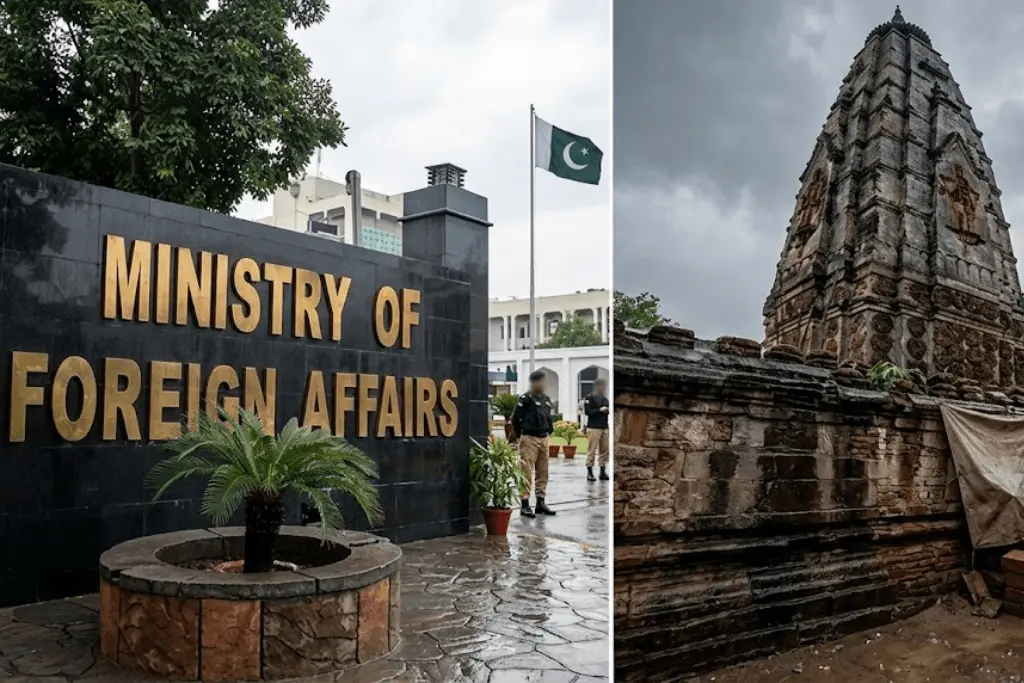
Pakistan has dismissed Indian allegations of vandalism at a historic Hindu temple in Narowal district, as Pakistan rejects India claims that the damage was caused deliberately, saying it resulted from a heavy downpour. The response has framed the incident in a wider narrative on heritage protection, minority rights and the need for accurate information in Pakistan-India relations.
The Foreign Office of Pakistan has dismissed India’s claims as “false and politically motivated” and has given a different version of the events leading up to the temple. Pakistan’s position was that the Adda Siraj building in Narowal was damaged after heavy rains on 21 July, and local authorities took steps to restore the damaged structure.
Heavy Rains Responsible For Temple Damage
Pakistan’s response focuses on the impact of heavy rain on the temple, which is more than 100 years old. The Foreign Office’s position is that the building was structurally damaged by the severe weather conditions, rather than by an organised act of vandalism or demolition.
Old buildings, especially those that have been exposed to the elements for many decades or have had little maintenance or poor foundations, can be very dangerous during heavy rains. Older religious buildings are particularly vulnerable to the effects of ageing materials that have been subjected to water pressure and harsh weather over the years.
India Worries About Historic Hindu Heritage Site
India’s Ministry of External Affairs has expressed concern over reports of damage or destruction of a 100-year-old Hindu temple in Adda Siraj. India’s position called for an investigation and highlighted the need to protect minority heritage.
The issue thus became a part of the ongoing diplomatic interaction between the two neighbouring countries and was not a local heritage issue. Religious sites can be particularly sensitive issues in Pakistan-India relations, with the concerns of minority communities and cultural heritage often intersecting with wider political disputes.
Heritage Protection: Controversy Over Narowal Temple
The incident in Narowal has once again brought to the fore the issue of protecting historic religious structures in Pakistan. The country has many sites associated with Hindu, Sikh, Christian, Muslim and other communities that are testimony to centuries of common cultural and architectural history.
The preservation of these sites can help Pakistan achieve broader cultural heritage objectives and also promote religious and historical tourism. Well-maintained heritage sites can also contribute to the local economy by attracting visitors, researchers and community members associated with particular religious traditions.
Pakistan Calls For Official Investigation And Restoration Efforts
Pakistani response: based on the explanation of the official authorities, rather than accepting the allegations of deliberate vandalism. This approach allows the circumstances of the damage to be evaluated through local investigation, structural evidence and physical examination of the site.
Such a transparent assessment can be especially relevant when heritage sites become subjects of cross-border political discussion. Evidence of weather damage, structural deterioration and the condition of the building pre- and post-incident may be used to differentiate between natural causes and deliberate acts.
Minority Heritage Is Still Vital To Pakistan’s Cultural Identity
Pakistan’s cultural identity is multi-faceted with a broad spectrum of religious and historical traditions, and the heritage of minorities is important to the country’s architectural fabric. Hindu temples are one of the sites that testify to the historic presence of Hindu communities in what is now Pakistan.
Protection of minority religious sites can contribute to the preservation of cultural continuity and strengthen the principle that historic heritage belongs to the wider national record. Such preservation can also show the significance of safeguarding spaces linked to the communities that have contributed to the social and cultural development of the country.
Pak-India Disputes Rarely Remain Within Bilateral Politics
The spat over the Narowal temple is part of a broader pattern of disputes between Pakistan and India on security, territory, water resources and diplomatic claims. Statements by either side are often parsed closely, as relatively local developments can be interpreted in the light of broader bilateral tensions.
The Narowal case demonstrates the need to establish the physical cause of the damage before assigning responsibility. Examinations of the structure, local records, photographs and expert evaluations can all help to fill in the blanks of what happened.
The reported restoration process in Narowal could be an important component of the response to the incident. Improvements regarding weather resistance, drainage management and routine maintenance can also reduce the risks to historic buildings during periods of extreme rainfall.
Pakistan’s Heritage Approach Can Back Cultural And Religious Tourism
Religious and cultural heritage has huge potential to contribute to the tourism industry of Pakistan. Historic temples, Sikh gurdwaras, Buddhist sites, Sufi shrines and Islamic monuments all form a diverse heritage network that can draw domestic and international visitors.
That wider tourism strategy can have a valuable role to play in the preservation of minority heritage. Well-maintained sites can stimulate historical research, cultural exchange and visits from diaspora communities while creating opportunities for local businesses and heritage professionals.
Diplomatic Handling Of Narowal Incident Tested By Pakistan And India
The temple controversy shows how fast stories related to heritage can become part of diplomatic exchanges between Pakistan and India. Both countries have sensitive positions on a lot of issues, so official statements can have consequences that go far beyond the initial incident.
Pakistan’s denial of the charges and its offer of a different explanation keep the matter within the context of an official diplomatic response. The emphasis on the deluge and the efforts to restore also shifts the focus to the physical condition of the building and what is being done locally.
The Narowal temple controversy has renewed focus on the state and protection of historic Hindu heritage in Pakistan. Islamabad says the damage reported was caused by torrential rains and the local authorities are taking steps to restore it, not that it was deliberately demolished.