Farhan Qureshi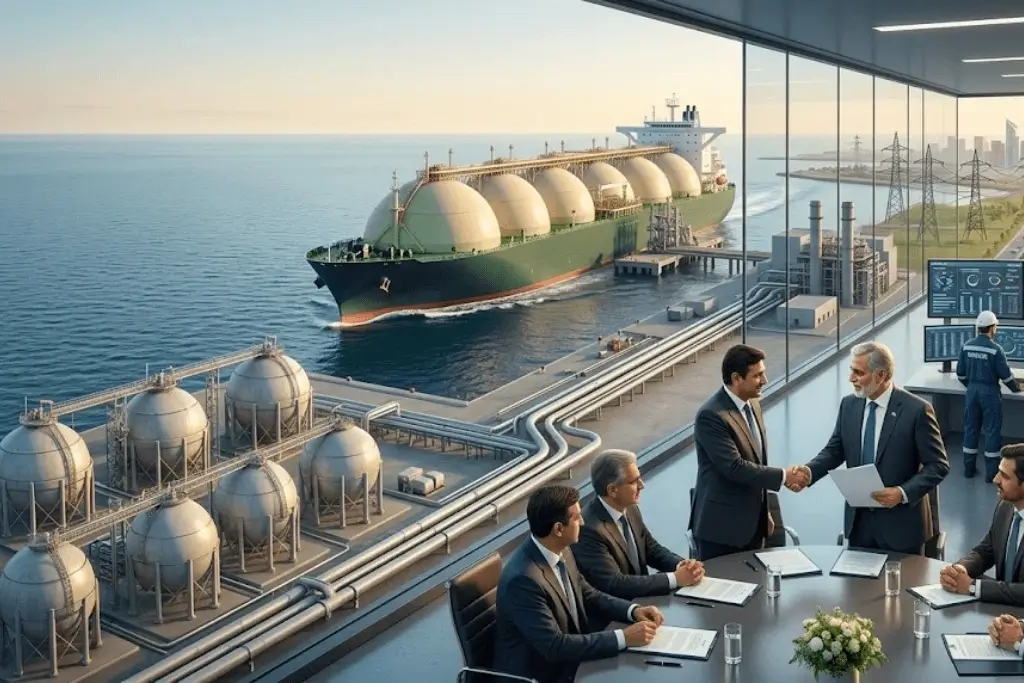
A recent Pakistan LNG agreement for Qatari liquefied natural gas (LNG) cargoes illustrates how supply-related problems are being addressed to help ease the financial burden of energy subsidies. At the same time, changes in international shipping routes have created temporary pressures on fuel sourcing and pricing.
Pakistan’s New LNG Deal Supports Long-Term Energy Management
Liquefied Natural Gas, or LNG, is natural gas that has been cooled down to liquid form for ease of transport by ship. LNG is an important input in Pakistan’s energy mix, fuelling electricity generation, industry and households.
Recently, Pakistan signed a deal with Qatar to divert 24 LNG cargoes from existing arrangements. This step is likely to help the country save huge expenditure on subsidies estimated at around PKR 1,000 billion. This move will not only strengthen fiscal management but also improve flexibility in energy planning.
The deal is a demonstration of Pakistan’s ongoing cooperation with one of its big long-term energy partners. Continued international partnerships are important to ensure reliable availability of fuel, while supporting national energy security objectives.
However, international geopolitical developments continue to impact global LNG transportation and procurement, and this can create short-term operational challenges even when long-term agreements are in place.
LNG Supplies Affected By Global Shipping Disruptions
International energy supply chains depend strongly on uninterrupted maritime transportation. If the planned LNG shipments are late, the importing countries have to secure other fuel supplies to maintain electricity generation and industrial operations. Hence, Pakistan has relied on the purchase of replacement LNG cargoes from the international spot market to meet immediate energy needs.
Higher LNG Prices Could Mean Higher Energy Costs Overall
The recent emergency purchases have reportedly reached near $20.70 per Million British Thermal Units (MMBtu), the highest LNG procurement cost for Pakistan in about four years. MMBtu is an internationally accepted unit for the energy content of natural gas and for pricing in the global LNG markets. Imported fuel prices are also rising, increasing the cost of electricity generation. Many power plants are powered by natural gas.
In addition, higher fuel purchasing costs may lead to higher operating costs for industrial manufacturers that use natural gas in their production process. The management of these added costs becomes a key focus for policymakers seeking to balance fiscal sustainability, energy security and consumer affordability.
Pakistan’s efforts to optimise LNG procurement through long-term agreements continue to play an important role in reducing exposure to prolonged international price volatility.
Gas Supply Could Remain Under Pressure During Supply Disruptions
The availability of gas, in particular from domestic production and imported LNG supplies, is crucial. Any disruption to international transportation can reduce the amount of gas available by delaying scheduled shipments of LNG.
Under the circumstances, the emphasis is usually on ensuring that the most important electricity production is maintained and the vital parts of the economy are preserved. However, Pakistan can increase its resilience to future disruptions through continued investment in energy infrastructure, storage capacity and diversified supply arrangements, although these challenges are largely fuelled by international developments beyond Pakistan’s direct control.
In an effort to ensure the stability of gas supply even in the event of short-term fluctuations in the global energy markets, long-term planning is required.
Changes To Consumers’ Electricity And Gas Services May Occur
Ultimately, changes in the international availability of LNG impact energy services to households. It costs more to buy fuels, and this is putting more financial pressure on the energy industry. This means that it is harder to maintain existing subsidies for long periods of time.
Thus, the cost of generating electricity may go up, and the distribution of natural gas could be more carefully managed when supplies are low. These measures are generally aimed at distributing the available energy resources to the residential, commercial, and industrial users, respectively, while maintaining overall system stability.
During some periods of disruption to international markets, there may be temporary service adjustments. Ongoing infrastructure improvements and energy planning continue to support the long-term reliability of Pakistan’s energy network.
Pakistan Strengthens Energy Security Through Strategic Planning
The latest developments in LNG underline both the opportunities and challenges of involvement in world energy markets. Pakistan is also looking to improve fiscal management and keep close relations with energy suppliers abroad, and the deal, linked to diverted LNG cargoes, highlights that effort.
Meanwhile, short-term disruptions in international shipping highlight the need for diversified procurement strategies, efficient energy management and long-term planning. Pakistan’s proactive strategy for LNG procurement, strategic agreements and reforms in the energy sector reflect the country’s ongoing commitment to strengthening its national energy security in the face of uncertainty in international energy markets.
Continued policy development, investment in infrastructure and collaboration with international partners are anticipated to contribute to supporting more reliable supplies of gas, increased market stability and enhanced energy sustainability for consumers and industries throughout the country in the years to come.