Urooj Niazi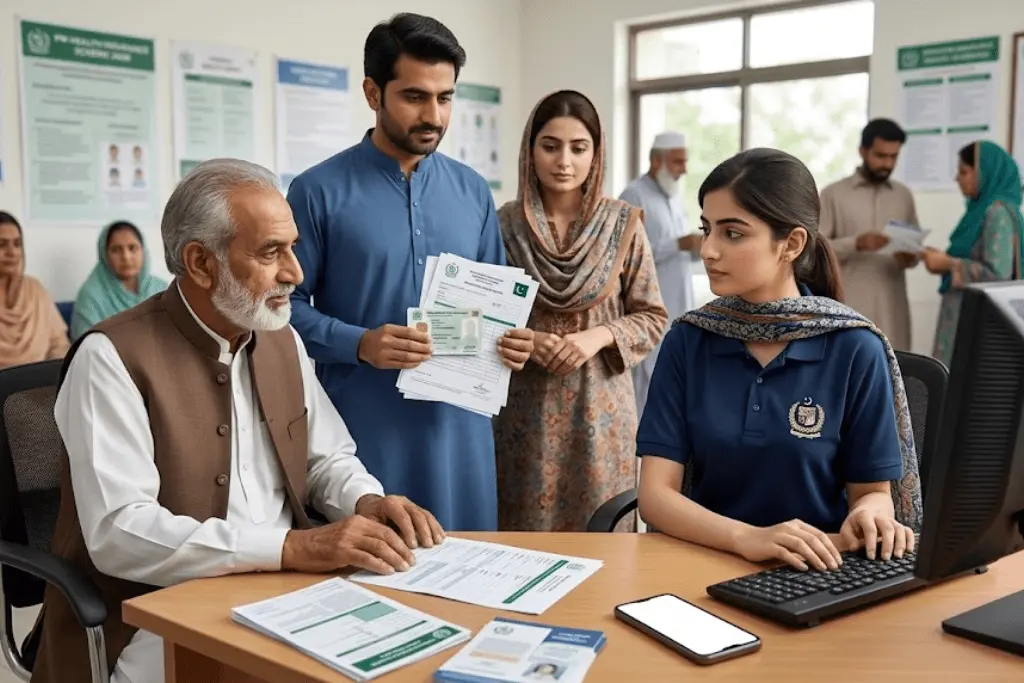
Sehat Sahulat Program, also known as the PM Health Insurance Scheme 2026 Pakistan, continues to provide major healthcare relief to millions of families across Pakistan. The initiative provides free, cashless medical treatment coverage of up to PKR 1 million per family per year, enabling vulnerable families to access quality healthcare without the severe financial burden.
The program stands as a testament to Pakistan’s ongoing efforts to improve access to healthcare through digital registration, NADRA integration and hospital networks across the country. The expanding healthcare structure is continuously benefiting the citizens throughout Islamabad, Khyber Pakhtunkhwa, Gilgit-Baltistan, Azad Jammu and Kashmir and other participating regions.
Sehat Sahulat Program Application & Registration Process
The PM Health Insurance Scheme is one of the most convenient features, with its easy registration mechanism. It’s not like the old welfare programs where you had to fill out a long physical application form or something.
The beneficiaries are part of government databases, primarily the NADRA and Benazir Income Support Programme records. It cuts down on paperwork and speeds up access to health care.
Citizens can check their eligibility through the following:
- Send your 13-digit CNIC number to 8500
- For verification, Khyber Pakhtunkhwa residents can use 9780
- Download the Sehat Sahulat mobile application
- Go to the designated facilitation centres for help
The mobile app also allows users to locate panel hospitals, check treatment coverage and track scheme information directly from their smartphones.
The program has done wonders for digital healthcare integration in Pakistan, increasing transparency and public convenience by leaps and bounds.
Eligibility For PM Health Insurance Scheme 2026
The Sehat Sahulat Program mainly targets the vulnerable households, economically poor citizens and deserving families identified through official national databases.
Major Eligibility Categories
- Families registered with the Benazir Income Support Program (BISP)
- Permanent residents of participating provinces and territories;
- Low-income households identified from NADRA records
- Senior Citizens with valid CNICs
- Differently abled persons with official identity documents
- Support for vulnerable families to improve their financial health
The government continues to extend the healthcare inclusion policies to enhance the medical coverage and social protection systems in the whole country.
Particular attention is still paid to disadvantaged communities where increasing health care costs often create treatment barriers.
Documents Required For Hospital Treatment
There is no formal application form required for registration, but some documents are still required when seeking treatment at approved hospitals under the Sehat Sahulat Program.
The documents you need are:
- Original CNIC (Valid)
- Certificate of registration of a child or B-Form of minors
- hospital referral documentation, where appropriate
- Records for ongoing cases in the medical field
Hospitals conduct biometric verification and CNIC authentication to verify the eligibility of beneficiaries before the commencement of cashless treatment services.
Citizens are advised to keep their CNIC details updated with NADRA to avoid any delay in verification in case of medical emergencies.
Medical Treatments Under Sehat Sahulat Program
The PM Health Insurance Scheme will offer comprehensive health coverage. It is including a wide range of procedures and treatments.
Covered Services:
- Emergency medical services
- General Surgery
- Maternity services, C-section
- Angioplasty and treatment of the cardiovascular system
- Cardiac operation
- Cancer Treatment & Oncology Care
- Kidney Surgery & Dialysis
- Handling accidents and burns
- Hospitalization costs
- Support in intensive care
Post-hospital discharge transportation allowance provides financial assistance to vulnerable patients during their periods of recovery.
Significance Of The Sehat Sahulat Program For Pakistani Families
Healthcare inflation continues to hit households across Pakistan, making the Sehat Sahulat Program more relevant for public welfare. It protects deserving families from catastrophic expenditure on medical expenses and guarantees access to quality treatment facilities.
The project also boosts confidence in Pakistan’s healthcare modernisation plans by making hospitals more accessible, digitally tracked and better at providing public services.
Expanding Digital Healthcare Across Pakistan
There has been a growing use of digital solutions to improve efficiency and transparency in the healthcare sector in Pakistan. A key example of welfare management through technology is the Sehat Sahulat Program.
Digital improvements include, among others:
- Eligibility verification via SMS
- Access via mobile app
- CNIC Biometric Verification
- Computer hospital recording systems
- Centralised registries of beneficiaries
These reforms further enhance healthcare governance, while curbing fraud and administrative complexities.
It is also continuing to grow partnerships with private and public hospitals to increase the capacity for healthcare coverage nationwide.
Enhancements To Public Awareness And Accessibility
Officials continue to encourage eligible citizens to verify their enrollment status and learn about health care benefits available through the program.
Public awareness campaigns have helped to improve
- Knowledge of treatments covered
- Participating hospital information
- Knowledge of Eligibility Verification
- Confidence in cashless treatment services
Citizens can visit the healthcare facilitation desks and helplines to avail assistance regarding the treatment procedures and verification requirements.
The simplicity of the program has contributed to increased public participation and trust in welfare healthcare systems.
Pm Health Insurance Scheme 2026: Pakistan’s Progress In Healthcare
The PM Health Insurance Scheme 2026 remains an important part of strengthening Pakistan’s public health care system. Sehat Sahulat Program is providing vital support to the underprivileged families across the country through free medical treatment, digital verification services and linkages with hospitals around the country.