Farhan Qureshi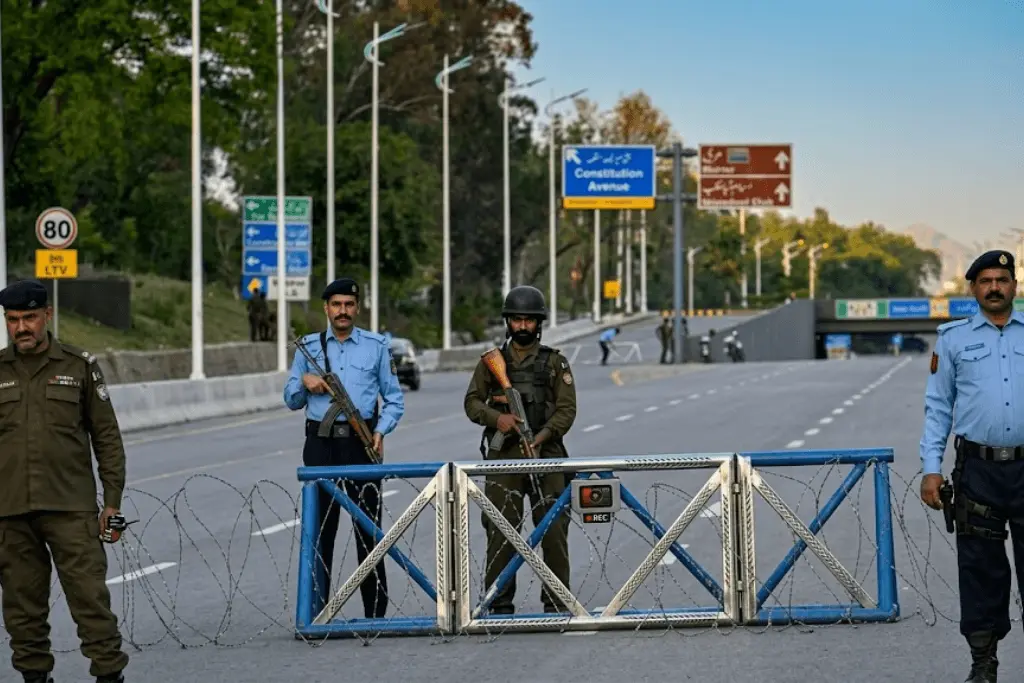
Islamabad, the capital of Pakistan, has implemented an all-inclusive traffic management initiative before the high-profile diplomatic negotiations between the United States and Iran to be held on April 11 and 12, under the Islamabad traffic plan 2026. The program is indicative of the proactive nature of Pakistan in providing security and free movement as the world focuses on the increasing role of the country as a diplomatic entity.
The government has put in place temporary limitations, such as the imposition of a ban on heavy traffic into Islamabad for two days. These are among the wider plans to accommodate the safe arrival and flow of international delegations and ensure order in the city.
Traffic diversions and alternate routes for commuters
The Islamabad Traffic Police has highlighted the alternative routes to reduce inconvenience to the day-to-day commuters. Expatriates travelling between Peshawar and Rawalpindi via the GT Road have been advised to use the Taxila Motorway, with people travelling between Lahore and Peshawar able to use routes through Rawat, Chak Beli, Chakri, and the motorway network.
Inhabitants of such major areas like G-5, F-6 and F-7 are urged to use Margalla Road, and people of G-6 and G-7 to use Ninth Avenue. The Faisal Avenue traffic to Zero point will also be diverted to Ninth Avenue so that the traffic flows smoothly.
In order to avoid commuters who take the Bhara Khu-Rawalpindi road, alternative routes such as Korang Road, Bani Gala, Lehtrar Road and GT Road have been suggested. In a similar manner, cars travelling between Rawalpindi and Islamabad would be recommended to use Ninth Avenue through Saddar, which would assist in spreading the traffic effectively across the city.
Security measures reflect Pakistan’s diplomatic preparedness
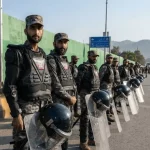
In addition to traffic control, there have been increased security measures at Islamabad, with the largest concentration being in the Red Zone, where the government buildings, embassies and other facilities such as Serena Hotel are found. There has been the introduction of checkpoints, patrols and restricted access areas to provide foolproof security for visiting delegations.