Urooj Niazi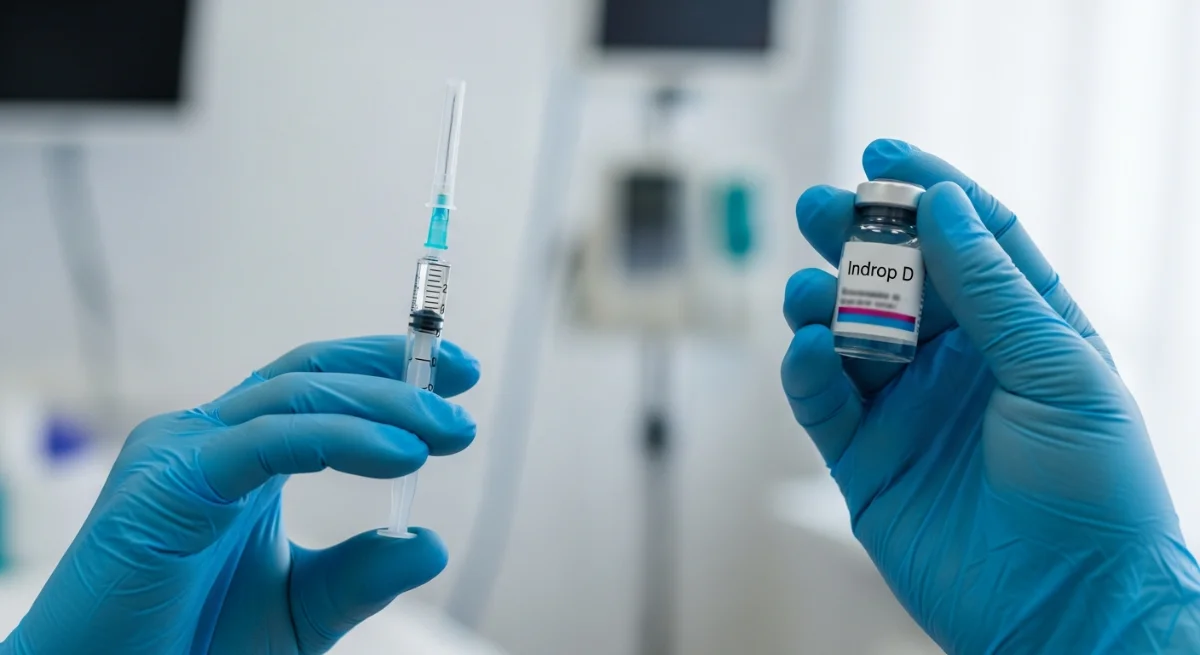
Vitamin D is essential for keeping bones, calcium uptake, and healthy immunity. To patients who are unable to get sufficient vitamin D, food and the sun may not be sufficient. That is where supplements or injections are required. Indrop D injection is a form of Vitamin D3 that is generally advised to be utilized when a person needs to be supplied with a more effective and faster dosage. Knowledge of the mechanism of action, the route of administration, its effects, and its side effects can assist patients in making informed decisions. This is a guideline for how to use Indrop D injection in a clear and practical manner, so that you undergo safe and recommended medical practices.
What Is Indrop D Injection?
Indrop D is a Vitamin D3 injection that is used to treat severe cases of vitamin D deficiency in adults and, in some cases, in adolescents, as advised by a medical expert. It assists in increasing the level of calcium in the organism, makes the bones stronger, supports the work of nerves, and lowers the chances of fractures or pain in the bones due to chronic deficiency. Physicians tend to administer this injection in case oral supplements do not produce the desired effect or when emergency treatment is required.
How to Use Indrop D Injection? 5 Instructions
- Strictly medical supervision: Indrop D should be given by a qualified health practitioner – never self-inject.
- Route of administration: It is typically administered into the muscle (IM), typically in the upper arm or the thigh.
- Dosage frequency: The amount of vitamin D required and the time of administration depend on the degree of deficiency. Depending on the recommendation of the doctor, some of the patients might need to take a weekly or monthly dose.
- Avoid overdose: Excessive consumption of vitamin D may lead to severe health conditions such as kidney problems. Always on your own, never increase dosage.
- Follow-up tests: During the treatment, doctors can order blood tests to check the level of calcium and vitamin D.
Key Benefits of Using Indrop D Injection
Indrop D injection has a quicker absorption rate than its tablet counterparts, hence it is suitable for patients with:
- Extreme bone fragility or osteoporosis.
- Malabsorption in the gut of vitamins.
- Acute diseases such as thyroid or kidney diseases.
- The symptoms of chronic deficiency include fatigue or pain in the muscles.
- It assists in restoring the strength, energy levels, and bone stability.
Potential Side Effects of Indrop D Injection
Despite being very effective, Indrop D can have the following side effects based on the body’s reaction:
Common side effects include:
- Low-level pain/swelling in the injection site.
- Headache or nausea
- Increased thirst
Treatment should be sought immediately in case of any of the following:
- Severe vomiting
- Irregular heartbeat
- Extreme weakness
- Symptoms of excessive calcium, such as cluelessness or lack of water.
Important precautions:
- Notice your physician of pregnancy or breastfeeding.
- Provide a complete medical history, such as kidney, liver, or heart problems.
- Should not be used together with other vitamin D supplements.
Who Should Not Use Indrop D?
Do not take or take only under strict medical supervision in case you have:
- Abnormality of high blood calcium (hypercalcemia).
- Excess vitamin D in the body
- Nephrolithiasis or acute renal disease.
- Effective and safe treatment is achieved by proper screening.
Indrop D injection is a beneficial healthcare remedy to help recover vitamin D in a short period of time, and mainly when the deficiency impacts life and bone structures. It can considerably positively influence well-being and eliminate irreversible complications due to the proper use of dosage, monitoring, and safety instructions. It is better to always listen to your doctor and get as many benefits as possible in the safest way possible.