Urooj Niazi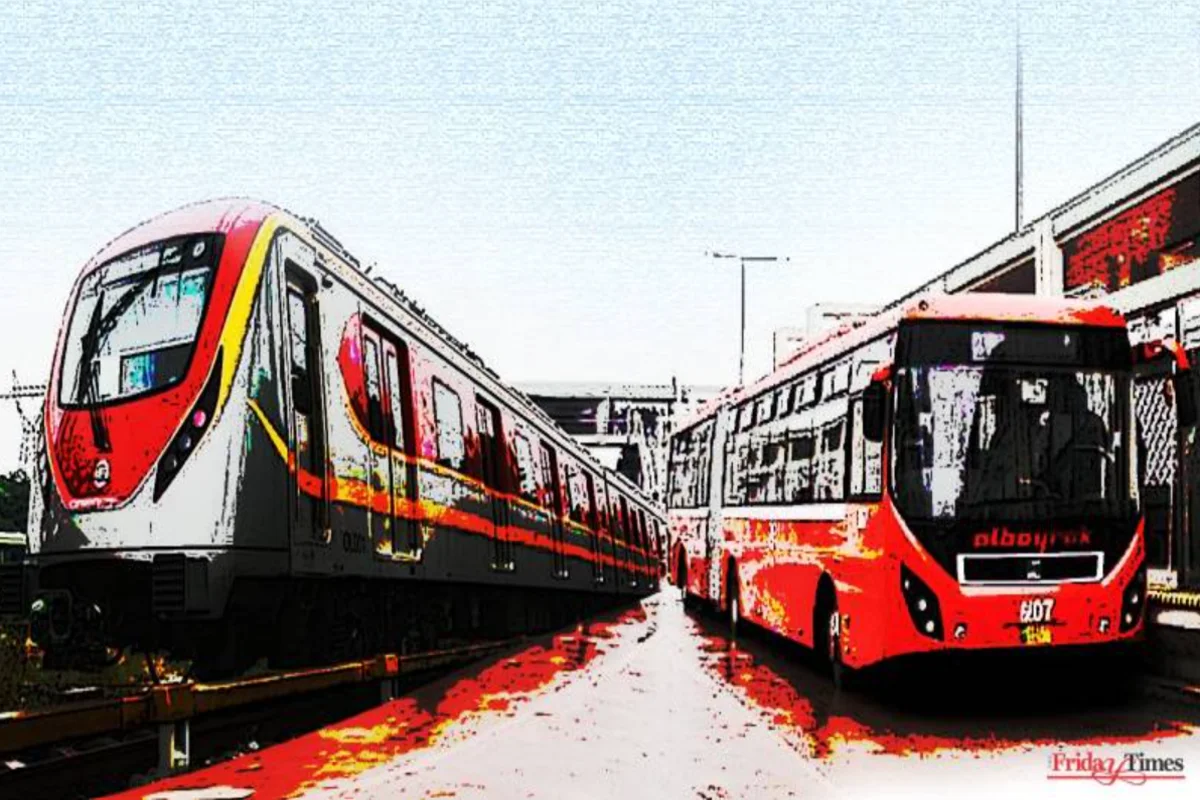
lahore metrobus & orange line changing city travel
By sunrise, Lahore is already awake. Motorcycles hum through side lanes, buses growl past fruit carts, and the smell of diesel hangs low in the air. The city moves early, without warning or rhythm. Still, under that noisy surface, a quiet order has started to take hold.
Two systems now anchor Lahore’s daily movement, the Metrobus and the Orange Line Metro Train. They’re not fancy projects meant to impress; they’re working machines built for a city that never really pauses. People use them because they make life simpler. Less waiting, fewer arguments over fares, and a little predictability in a city that rarely gives any.
Public transport in Lahore was once chaotic. Now it feels like someone finally drew a map and stuck to it.
The Evolution of Lahore’s Public Transport System
The city’s transport story is full of restarts.
- Minibuses once ruled the roads, loud and packed, running on no fixed schedule.
- The Punjab Mass Transit Authority stepped in to bring some discipline to the system.
- 2013 saw the launch of the Lahore Metrobus, Pakistan’s first real Bus Rapid Transit project.
- In 2020, the Orange Line Metro Train began operating, giving the country its first metro rail line.
Each stage chipped away at the city’s old travel habits, replacing them with something closer to a proper public network.
Lahore Metrobus: The City’s Ground-Level Lifeline
The Metrobus runs from Shahdara to Gajjumata, covering about twenty-seven kilometers. The red buses glide through their own lanes on Ferozepur Road, sealed off from the mess of regular traffic. From the footpath, the view looks almost foreign, buses moving on time, passengers queued in lines, no shouting conductors.
Inside the stations, the smell of fresh paint still lingers in some spots. Electronic gates beep as passengers tap their cards. A ticket costs less than the price of a samosa plate at a street stall. That small detail matters for thousands of daily riders, students, security guards, nurses, clerks — all counting coins before payday.
Rush hour can feel like a wrestling match. Shoulders press together, and air conditioners work overtime. Still, most commuters agree they’d rather be here than stuck behind rickshaws in endless traffic. The Metrobus made time feel manageable again. You leave home at eight, you reach by nine. That’s a small victory in a city this size.
Orange Line Metro Train: Pakistan’s First Metro Rail System
The Orange Line changed Lahore’s skyline. The elevated tracks sweep across the city like silver threads, passing over busy roads and old rooftops. The line connects Ali Town to Dera Gujran through twenty-six stations.
Step inside a station and the heat outside fades instantly. Escalators hum softly. The platform smells faintly of metal and new concrete. The train glides in, quiet enough that people lower their voices without realizing.
The Orange Line has brought something new to the city, speed without chaos. A ride across Lahore that once took more than an hour now takes half that time. Families use it for weekend trips. Students hop between universities and hostels. Many still pause to take photos of the view from the elevated tracks, the sprawl of rooftops, markets, and schoolyards rushing by below.
The project faced its share of criticism during construction. Concerns about heritage sites, delays, budgets, all valid. But once the trains began running, most of that noise faded. What stayed was a working metro that made sense in everyday life.
Complementary Modes of Urban Mobility
Of course, Lahore doesn’t run only on rails and red buses. The smaller, older systems still keep the city breathing.
| Mode | Description | Fare Range | Coverage |
| LTC Buses | Local routes across inner city | Rs. 20–40 | Wide coverage |
| Auto Rickshaws | Best for short trips and narrow lanes | Negotiable | Almost everywhere |
| Careem / Uber | App-based rides for flexible travel | Variable | Entire city |
| Feeder Buses | Link smaller areas to Metrobus and Orange Line | Rs. 20–30 | Outer zones |
| Walking / Cycling | Works best around Old Lahore | Free | Central areas |
Each fills a gap. Rickshaws reach where no bus can fit. Ride-hailing apps serve people traveling late. Feeder buses connect far-off neighborhoods that still feel cut off from the main corridors. Together, they keep Lahore moving even when the trains stop for maintenance or power cuts slow the city down.
Walk through Anarkali on a humid afternoon and you’ll see it, buses roaring past, rickshaws honking, people darting between lanes. It’s messy but functional, and that balance keeps Lahore alive.
Challenges & Future Expansion Plans
Nothing about Lahore’s system is perfect. Some stations lack proper shade, others need more staff. Overcrowding is still an issue during peak hours. Yet, expansion plans are already being discussed. Officials talk about new metro corridors, cleaner buses, and routes that stretch further into the suburbs.
If those plans move beyond paper, Lahore could stand as Pakistan’s model for sustainable city transport. For now, the Metrobus and Orange Line carry the city’s weight, one crowded morning, one smooth ride, one working day at a time.
READ: Breaking And National News