Farhan Qureshi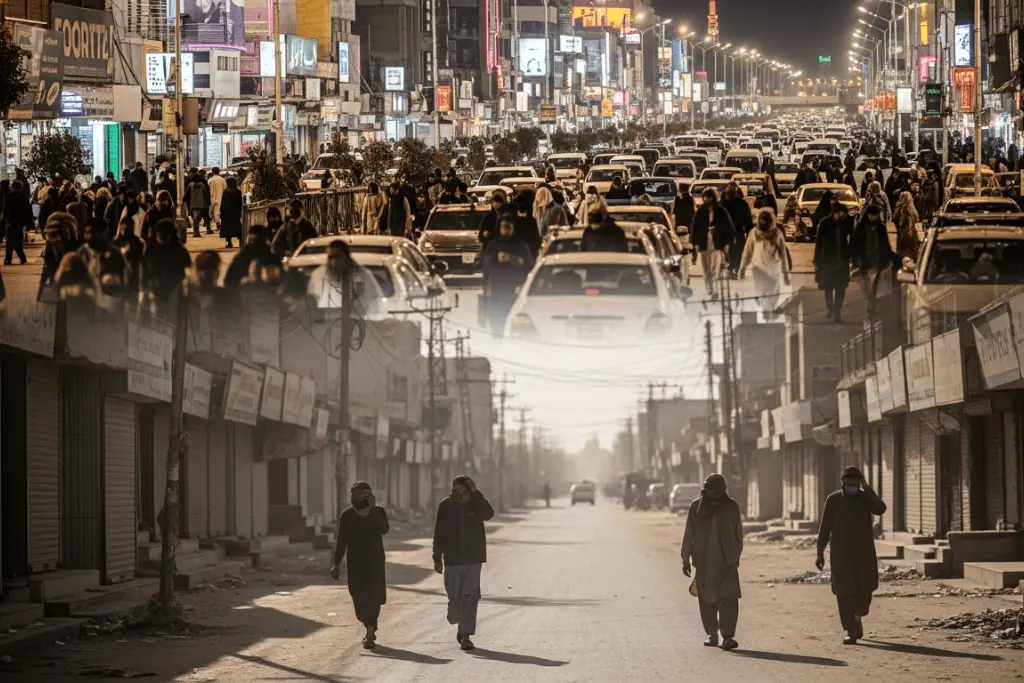
Shutdown calls strike parts of Balochistan as opposition-related demonstrations resulted in the shutdown of markets, transport paralysis, and increased security in Quetta and the surrounding areas. The move was supported by a joint opposition front led by the PTI allies, to memorise the 2024 general elections that were disputed in Pakistan. In Balochistan, the reaction was evident and disruptions, as a result of the years of political alienation, violence in the recent past, and the anger of the masses against the state.
Why the Protest Line Cracked Outside Balochistan
In other provinces, but beyond the province, the same shutdown appeal did not have much momentum. In cities such as Lahore, Karachi and sections in Khyber Pakhtunkhwa, day-to-day life proceeded with sporadic shutdowns. The impact was diluted by festivals, commercial interests and protest fatigue. As shutdown calls intimidated parts of Balochistan, the inhabitants of the metros did not seem eager to replace the state of economic normalcy with the symbolism of the political gesture.
The disproportional reaction identifies a widening gulf in the politics of Pakistan. In places where calm had been imposed in Balochistan through heavy deployment, resistance in the form of routine activity was indicated in urban centres as opposed to rallies. The juxtaposition is that shutdown calls hit parts of Balochistan, geographically, but symbolically, as well, highlighting the way protest politics are felt more or less depending on the province, which is informed by local history, security facts and the trust of the population.