Sana Khalid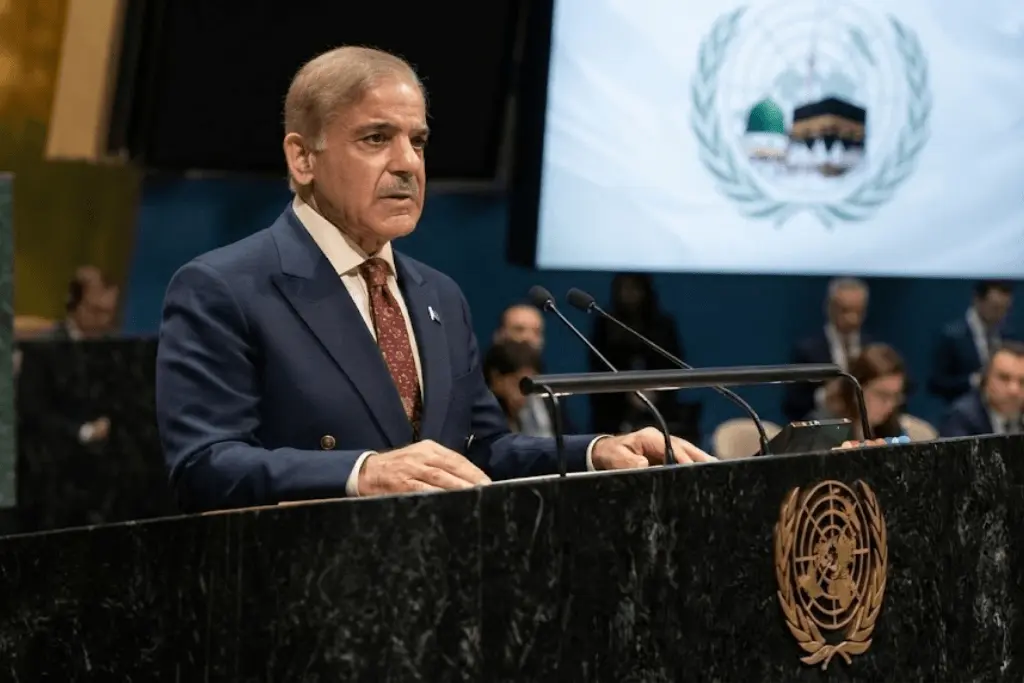
Prime Minister Shehbaz Sharif said in his Shehbaz Sharif UN speech that any threat to the sanctity of Mecca and Medina would be crossing a red line, which must not be crossed. Pakistani Prime Minister Shehbaz Sharif on September 25 condemned alleged Houthi attacks on Saudi Arabia and emphasised the importance attached to the safety of the two holy cities during his address at the 81st session of the United Nations General Assembly in New York.
Pakistan Condemns Attacks, Expresses Solidarity With Saudi Arabia
Shehbaz Sharif condemned the reported attacks as deplorable and said threats to the holy cities had aroused widespread concern among Muslims. The statement put Pakistan on the same page as Saudi Arabia in emphasising the necessity to protect civilian and religious sites from military escalation.
Pakistan’s position is also a part of a broader diplomatic emphasis on sovereignty and security. At the UN, Sharif tied the need for diplomacy to regional stability, while Pakistan has separately joined international calls for safe navigation and a reduction in tensions across the Middle East. On September 22, Pakistan, Saudi Arabia, Turkiye and Egypt issued a joint statement reaffirming Riyadh’s right to defend itself under international law, but stressing dialogue and diplomacy.
Pakistan, Saudi Arabia Sign Makkah Defence Pact To Boost Security Ties
The position of Pakistan is also impacted by the Makkah Joint Defence Agreement signed on August 7, 2026, between Pakistan, Saudi Arabia and Turkiye. It establishes a collective-defence agreement between the participants that any armed attack on one of the three countries will be considered an attack on all.
The agreement is an important development in Pakistan’s defence ties with Saudi Arabia and Turkiye. It establishes a formal framework for enhanced security coordination and the continuation of the long-standing strategic relationship between the two countries.
Pakistan, Turkiye Chiefs Discuss Regional Security
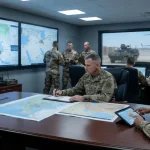
The recent escalation has led to direct military consultations between Pakistan, Saudi Arabia and Turkiye. On September 25, the military chiefs of the three countries met in Riyadh to review the security situation, intelligence cooperation and military coordination under the Makkah agreement.
The talks covered threats facing Saudi Arabia and ways to boost collective defence cooperation, the Pakistani military said. The meeting showed that the agreement is moving from a formal statement to discussions on practical coordination, but the exact scope of future cooperation is open to developments too.
Pakistan’s UN Stand Links Security With Diplomacy
In Shehbaz Sharif’s address to the UN, Saudi security was positioned as part of a wider call for diplomacy across the Middle East. Prime Minister said missile and drone attacks should not be a distraction from the need to maintain dialogue, underscoring Pakistan’s position that political solutions are the best way to resolve regional conflicts.
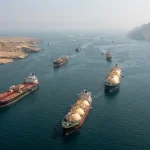
The broader regional setting has had an impact on global trade and energy security as well. The Strait of Hormuz and Bab el-Mandeb were vital arteries for the global economy and should remain safe and free for navigation, Sharif said. The post places Pakistan’s security considerations in relation to the economic impact of disruptions to key maritime trade routes.
Region’s Escalation Fuels Broader Security Concerns
The latest developments have come amid increased fighting involving the Houthis and Saudi Arabia. Saudi, Pakistani and Turkish military officials were in discussions as Houthi attacks increased and regional governments looked for ways to defend Saudi territory and critical infrastructure, Reuters reported.
Support for the security situation has also come from countries outside the trilateral arrangement. France has announced defensive measures for the major Saudi oil terminal at Yanbu. The United Kingdom has agreed to provide defensive air-to-air refuelling support following a Saudi request. Such developments are a reflection of the wider international concern over attacks on Saudi territory and key energy infrastructure.
Pakistan Plays A Larger Diplomatic Role In The Region
The latest security talks involving Pakistan are part of a broader pattern of diplomatic activity in the Middle East. Islamabad has sought to remain in touch with various regional actors while endorsing the efforts to de-escalate and keep the space for negotiations open.
Pakistan has also positioned itself as a mediator in broader regional conflicts. ISLAMABAD: Prime Minister Shehbaz Sharif, in his address to the UN General Assembly, highlighted Pakistan’s role in facilitating dialogue between Washington and Tehran, including the Islamabad Memorandum of Understanding. Later, the agreement ran into problems, but Pakistan’s involvement showed Islamabad’s wish to pursue diplomatic options.
Economic Importance Of Saudi Security For Pakistan
Pakistan’s economic interests are directly linked to Saudi Arabia’s security. The two countries have deep economic and people-to-people ties, including trade, investment, employment and remittance flows from Pakistani workers in Saudi Arabia.
Hence, stability in Saudi Arabia & in the Gulf energy routes is important for Pakistan’s economic environment. Damage to oil infrastructure, shipping channels or regional transport routes can raise energy and logistical costs, increasing pressure on nations dependent on imported fuels and global trade.
A New Test Of Strategic Coordination For Pakistan
The Makkah Joint Defence Agreement provided Pakistan, Saudi Arabia and Turkiye with a new institutional framework for security cooperation at a particularly sensitive time. The agreement’s collective-defence clause has increased the significance of consultation as Saudi Arabia continues to be attacked, but the latest meeting of military chiefs has opened discussions on intelligence and operational coordination.
Pakistan’s immediate challenge is to continue supporting diplomacy and regional stability while maintaining close strategic coordination with Saudi Arabia. The government’s public position has emphasised the protection of the holy cities, Saudi sovereignty and safe maritime passage, with the exact scope of any operational role contingent on future developments.