Sana Khalid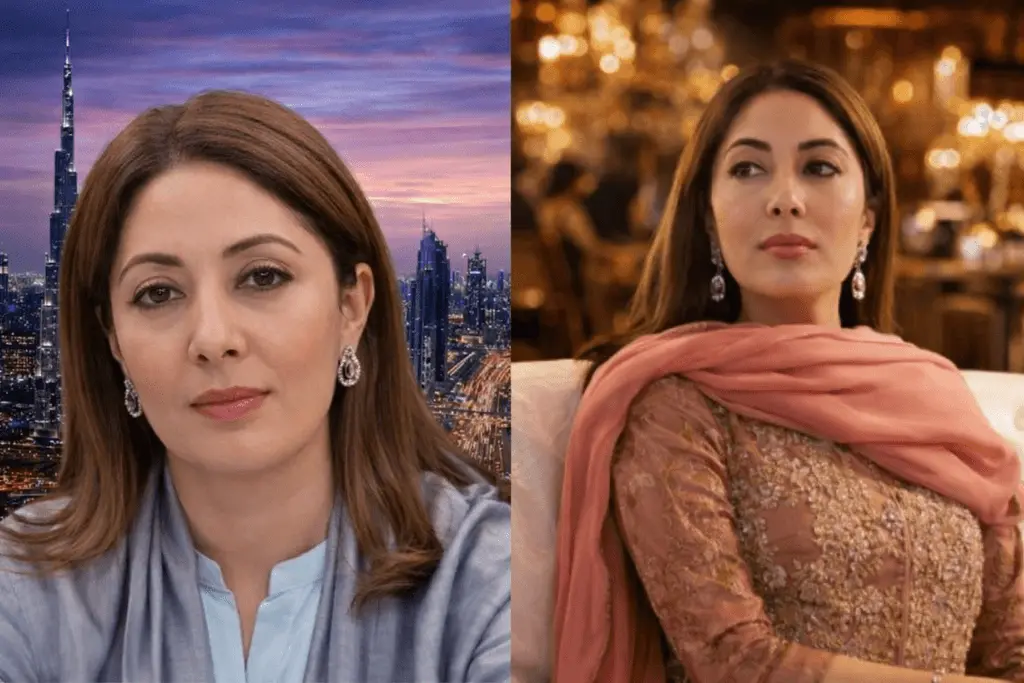
This reflects the dynamism of Pakistani discourse, as the “Sharmila Faruqui Karachi Paris” statement has sparked widespread public debate and discussion. The Pakistan Peoples Party (PPP) leader, in an outing on a TV show hosted by Wasim Badami, compared Karachi to Paris and said that it is like Paris in Karachi. Her comments soon went viral and sparked a series of responses, varying in pride and blame.
Our social media followers considered the comparison an overstatement, whereas some also saw it as civic pride at their very core. Faruqui elucidated her mindset and explained that country is who and where one belongs, and one should experience heaven. This was close to the hearts of people who find merit in cherishing their despite its adversities.
The controversy that ensued has identified a significant point about the changing media environment in Pakistan- citizens are actively involved in the discussion about their cities, government, and their own identity.
Karachi, as Pakistan’s largest city and economic centre, often becomes the focus of such discussions. Statements like Faruqui’s, which are either controversial or hopeful, can encourage people to think about their city’s importance and future.
Notably, this scene also reflects on the transparency of the Pakistani society, wherein prominent personalities are subject to scrutiny and their opinions are subject to discussion. The combination of mockery and criticism, as well as patronage, evident online, depicts the existence of an active and growing population that is no longer afraid to speak out.
Karachi’s Identity and Pakistan’s Culture of Expression
Karachi is a city of contrasts; a place of opportunity, diversity and rich culture, but confronted with an urban challenge that many great world cities have dealt with. Such a comparison to a city such as Paris might appear ambitious to a few, but it also highlights the individual beauty and promise of Karachi. Its vibrant food culture, its more than ever busy centres, and the beauty of its coasts rank Karachi as one that is deeply embedded in Pakistani culture.
The statement by Faruqui may also be interpreted as being part of a larger story that urges citizens to be proud of their cities. In a nation such as Pakistan, where identity and belonging are strongly important issues, such outcries tend to provoke hope and a sense of claim in the inhabitants.
The response to her remarks highlights the effectiveness of online media in influencing the masses. The users of social media reacted with sarcastic statements, criticism and satire and made the statement trend. Some of the replies were extremely unkind, but the others mentioned the emotional attachment that people feel towards Karachi, be it frustration or love.
More than the controversy at hand, the episode is representative of the culture of dialogue that is growing in Pakistan. Traditional media are no longer limited to public debates, which happen in real-time through digital platforms, where different voices can be heard. Such a degree of interest is an encouraging indicator of a group of people who appreciate debate and constant betterment.
Furthermore, the political background of Faruqui and his priorities, which concern urban development and the welfare of people, introduce another dimension to the discussion. Being her representative, her statement can be understood as an effort at presenting a positive image of Karachi and her attempt to show its potential in the international arena.
A Reflection of Pakistan’s Evolving Urban Narrative
The Karachi-Paris comparison is controversial, but it has no other end; it is only that this way, the debate on urban development and the pride of cities remains alive.
Pakistan’s urban centres are evolving quickly, and conversations like these help shape what people hope for and want.
It is not only a controversial statement but also an invitation to build a better future in Karachi. Aspirational comparisons can be a driver of change, motivating citizens and policymakers to strive to build better infrastructure, governance, and quality of life.
To sum it up, the comments made by Sharmila Faruqui have not only been the source of debate but also showcased action and vitality, diversity, and participation of Pakistani society. The debate over Karachi’s identity is a good indicator of a nation that dreams of its future and appreciates its present. These instances of dialogue, although controversial, make up a stronger, more knit as well as progressive Pakistan.