Farhan Qureshi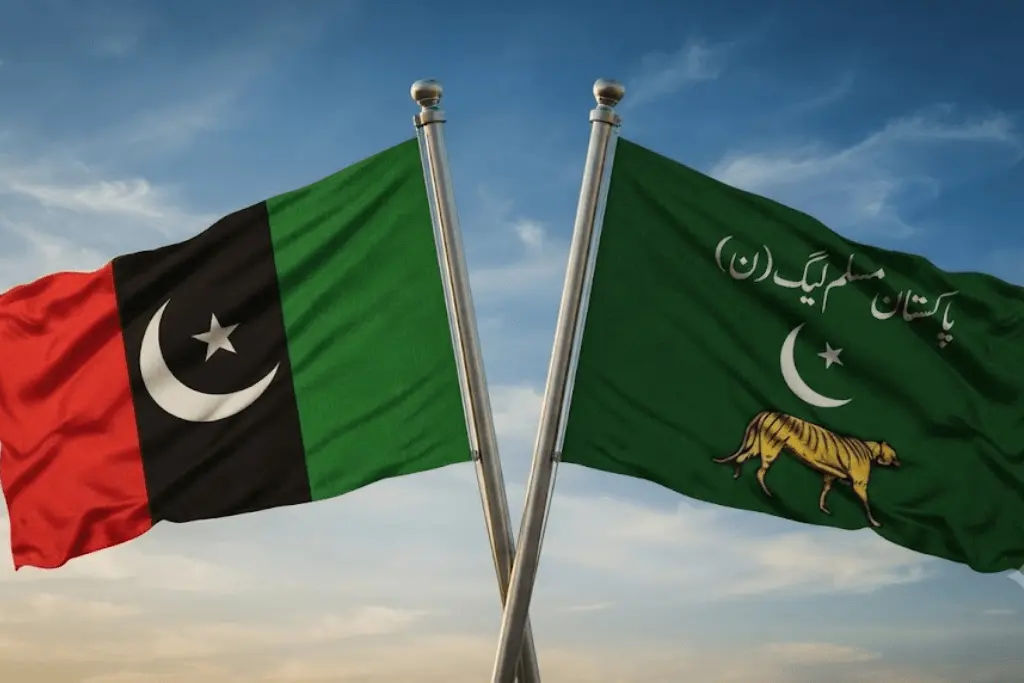
There are new developments taking place in Punjab, Pakistan’s most populous province and one of the country’s most influential political arenas, as the PPP Punjab opposition stance signals a major political shift. Recent statements from the Governor of Punjab, Sardar Saleem Haider Khan, have exposed a major shift in relations between the Pakistan Peoples Party (PPP) and the Pakistan Muslim League-Nawaz (PML-N), and this means that the coalition in Punjab is virtually over.
The announcement has ignited a lot of political debate because Punjab often dictates the tone of national politics. The two parties may continue to be key players at the federal level, but the developments in Punjab may shape future electoral strategies, legislative priorities and political competition across the country.
How The Political Relationship Between PML-N & PPP Has Changed
PPP has formally joined the opposition after deciding not to continue as part of the provincial governing set-up, Punjab Governor Sardar Saleem Haider Khan said. The coalition stage is effectively over, and the party can now follow its own political strategy, the governor said.
The decision reflects a shift in political priorities, not a sudden break. Key parties are increasingly trying to build their own public support as Pakistan moves toward political milestones, rather than depending on coalition partners.
The Governor’s Statements That Captured National Attention
The governor has made some important statements, clarifying the political direction the party will take in the future. One of the most important statements denied reports that an agreement had been reached to transfer the prime minister’s post to PPP Chairman Bilawal Bhutto Zardari at some point in future.
There had never been a formal political understanding like that, the governor said. The clarification was meant to address speculation in political discourse over the last few months about possible long-term power-sharing arrangements.
Inflation And Economic Troubles Top Opposition Narrative
The PPP’s political campaign in Punjab will focus on economic challenges. Party leaders have repeatedly pointed to inflation, employment worries and the rising cost of living as areas where the government needs to focus more efforts.
Political observers say economic issues often dominate public debate because they have a direct impact on households, businesses and investment confidence. Opposition parties often use such issues to provide alternative policy proposals and to raise public involvement at the same time.
What This Political Change Means For Punjab
The changing political environment could also encourage parties to increase their grassroots outreach, improve local organisations and reach out to voters more directly ahead of future elections.
Implications For PML-N Government
The breakdown of the coalition arrangement will make the political atmosphere more competitive for the PML-N in Punjab. This might lead to a greater emphasis on transparency and communication of policy.
Political analysts say governments tend to accelerate development programmes, improve administrative performance and expand public outreach when the opposition is stronger. Such responses can have positive effects for democratic governance.
More likely to affect political discourse than constitutional institutions or administrative continuity, then, is the evolving relationship between the two parties.
National Political Ramifications Beyond Punjab
The latest announcement is related to Punjab, but the political implications may go beyond the provincial borders. Regional dynamics also cause changes in national political alliances, especially when big parties assess their long-term electoral strategies.
The PPP’s decision to bolster its opposition role may affect political positioning in other provinces as parties consider future cooperation and electoral strategy. These evolving relationships may also show up in federal political discourse.
Democratic Contest And Future Political Outlook
Political analysts expect there will be more debate in the coming years about governance, economic management, public services and institutional reforms. Governments seek to demonstrate their administrative performance, while opposition parties are expected to utilise parliamentary platforms to propose alternative approaches.
Good political competition can improve democratic institutions if it is conducted by constitutional means, parliamentary debate and peaceful political interaction. Punjab’s changing political scene thus mirrors the larger democratic processes unfolding across Pakistan.
The PPP’s shift to the opposition is the start of a new political phase, not the end of cooperation between major national parties. How these developments play out will depend on changing political priorities, electoral considerations and public expectations.
Summary
This is a key political development, as the PPP formally announces its opposition role in Punjab following Punjab Governor Sardar Saleem Haider Khan’s announcement. The move is a sign of changing political tactics, more emphasis on economic issues and a wish to boost the party’s own independent identity.
For Punjab, the change brings a more competitive democratic setup, where government policies will be more likely to face scrutiny and debate in parliament. For the country as a whole, this development indicates the dynamism of democratic politics, with alliances shifting and constitutional institutions functioning still.
Both PPP and PML-N are getting ready for future political challenges, with the focus expected to remain on governance, economic performance and public service delivery. The changing political scene in Punjab could thus be an important factor in shaping Pakistan’s broader democratic and political future in the years to come.