Adeel Hassan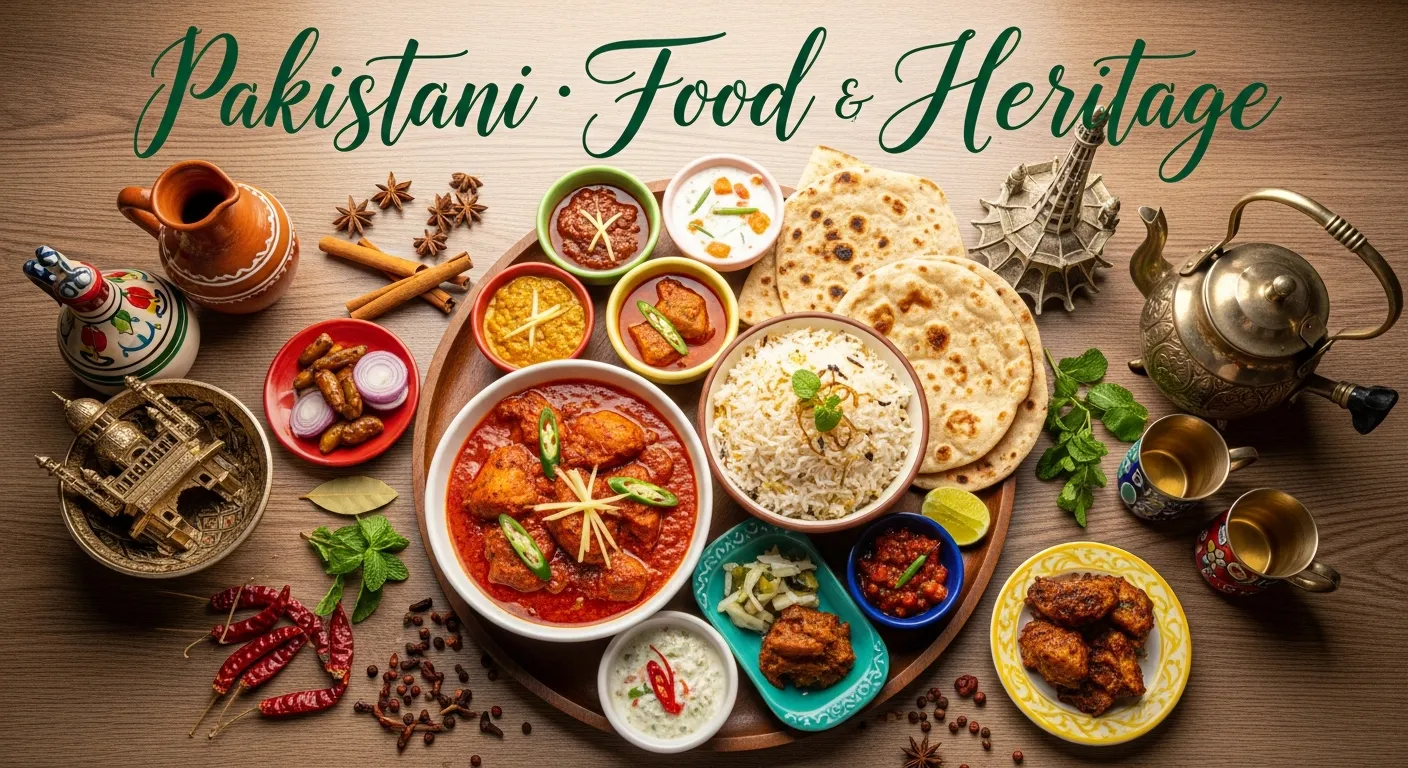
Pakistani Food and Heritage
Pakistani food and heritage are a rich mixture of cultures, traditions, and old-fashioned culinary traditions which were influenced by history, geography, and the people’s population. Since the Mughal influence on royal dishes to local flavours created by the use of local produce and traditions, the cuisine and the cultural identity of Pakistan is an example of the unity in diversity. The traditions of food in the country are reflected in the fact that it has a lot of festivals, hospitality and strong family respect. It is either the spicy biryanis of Karachi, the rugged breads of Punjab or the special delicacies of the dried fruit of the north, each of these culinary delights represents a tradition that is still in the process of development, yet still remains its original self.
A Deep Connection Between Pakistani food and heritage
The culture of Pakistan is highly associated with food. Food is not merely a need, it is a form of love, respect and hospitality. Celebrations, religious ceremonies and family get-together are usually accompanied by traditional meals. Food also depends on the location, but the entire region is joined together by the intense spices, slow-cooked techniques and high use of spices such as coriander and mint. Every food item has a story of the people, their land and their tradition.
Regional Diversity in Pakistani Cuisine
A table highlighting some of the classic dishes of the region with its symbolism is presented below:
| Region | Signature Dish | Cultural Significance |
| Punjab | Makki di Roti & Sarson da Saag | Celebrates farming culture and seasonal harvests |
| Sindh | Sindhi Biryani | Strong spices and bold flavours reflect Sindhi heritage |
| Balochistan | Sajji | Symbol of nomadic traditions and open-fire cooking |
| Khyber Pakhtunkhwa | Chapli Kebab | Represents Pashtun love for meat-rich, hearty meals |
| Gilgit-Baltistan | Harissa | Comfort food suited to the cold mountain climate |
Traditional Cooking Techniques
Pakistan also has a rich culinary heritage, which consists in part of the traditional methods of cooking, e.g. dum pukht (slow cooking), baking in the clay-ovens in tandoors, and charcoal grilling. These methods keep the flavours of nature and give the dishes flavor. Numerous recipes are transmitted to the next generation preserving the intangible cultural heritage of the country.
Heritage Beyond Food
Although cuisine is a major part, other components of the Pakistani heritage are music, festivals, clothing, architecture, and craftsmanship. Cultural richness is evident in the country starting with the ancient ruins of Mohenjo-Daro to the Mughal palaces. Pakistan also has traditional arts like truck painting, pottery, embroidery, which also augment the Pakistani cultural identity. Collectively, these aspects form a colour mosaic which brings out the beauty of Pakistani food and heritage.
FAQs
1. What is food heritage?
Food heritage refers to traditional dishes, cooking methods, and ingredients passed down through generations that reflect a community’s culture and identity.
2. Why is food important in preserving heritage?
Food keeps cultural traditions alive, connects people to their roots, and helps younger generations understand their history.
3. How does globalization affect food heritage?
Globalization introduces new flavors and influences, which can enrich local cuisine but also risk replacing traditional dishes if they are not preserved.
4. What are examples of food heritage?
Examples include regional dishes like biryani, sajji, kimchi, pasta, and tortillas—each representing unique traditions and histories.
5. How can we preserve our food heritage?
By documenting recipes, teaching younger generations, supporting local cuisines, and celebrating traditional food during festivals and cultural events