Sana Khalid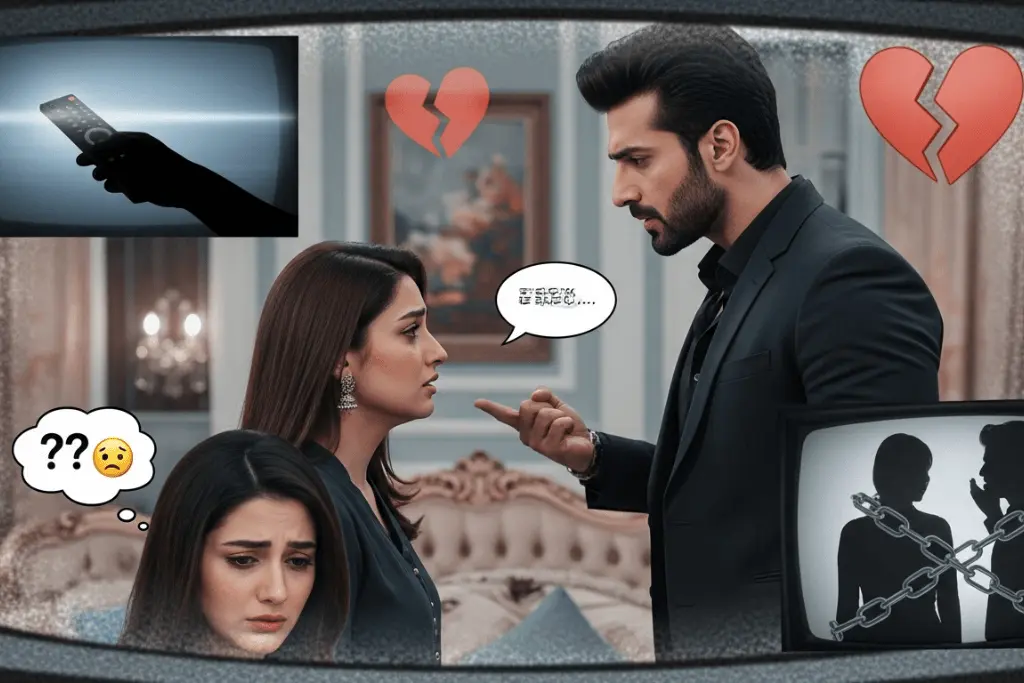
The question of Pakistani dramas promoting toxic relationships is gaining traction as audiences grow more critical of what is normalised on prime-time television. Although these plays are commended as excellent storytelling and well-developed emotional nuances, most audiences believe that they recycle an unhealthy dynamic again and again; jealousy is being masqueraded as love, emotional manipulation as a way to show passion, and control as a way to care and show concern.
Popular programs tend to elevate the attitude of male dominance and female perseverance as good traits indirectly, thus reinforcing the detrimental relationship norms. Critics declare that this trend is dangerous because it can influence the views of young audiences concerning marriage and love. The concern around Pakistani Dramas Promoting Toxic Relationships is not about cancelling creativity, but about acknowledging influence in a media-saturated society.
What Gets Overlooked in the Debate
The proponents of dramas claim that they are a reflection of reality but not its promotion. Nonetheless, the lack of consequences in repetition may cause a lack of separation between depiction and recommendation. The messaging is problematic when happy endings are associated with the toxic behaviour. The debate over Pakistani Dramas Promoting Toxic Relationships highlights a larger conversation about responsibility in storytelling—especially when millions tune in nightly. The audiences are changing, and with it, is the need to have healthier and more balanced visuals of love on the screen.