Maria Imran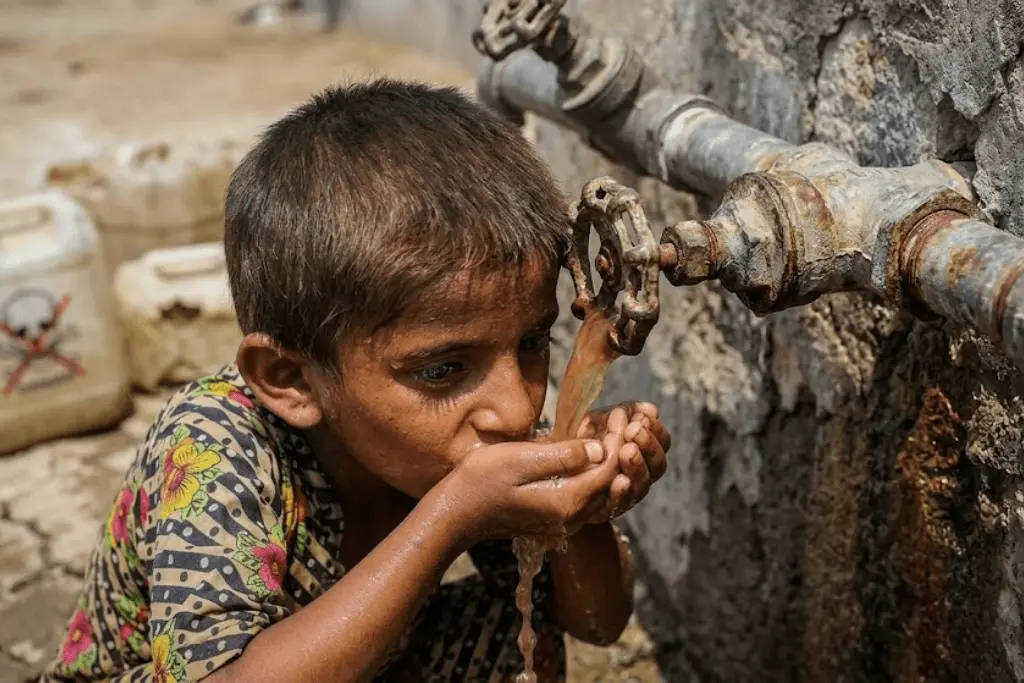
Pakistan Water Crisis 2026 highlights that Pakistan is in the midst of a severe water crisis. While some progress has been made on infrastructure and policy, more than 21 million Pakistanis lack access to clean water and millions more are at risk. Cholera, typhoid and hepatitis are among the diseases still afflicting many communities, accounting for a large share of the diseases across the country.
But at the same time, with these problems, Pakistan is growing in awareness of the problem with an increase in policy dialogue and grassroots initiatives telling a story of hope for the long term.
The Real Villain Of Pakistan’s Water Woes
The issue of lack of clean water is complicated with environmental, infrastructure and governance issues all coming into play.
Contamination and Bad Sewage Systems
In many places, drinking water is contaminated with sewage, bacteria and industrial waste. This is particularly acute in cities like Karachi, where most of the water sources are not safe. Poor infrastructure, like old, leaking pipes and the mixing of sewage with clean water, especially in crowded areas, exacerbates the problem.
Urbanisation & Infrastructure Gap
Rapid population growth in Pakistan has put a strain on water resources. In cities, there is no proper system of water storage and treatment to provide adequate water. In many rural areas, untreated groundwater is often used, even though it may be contaminated.
Climate Change and Water Shortage
The problem is being worsened by climate change. Water per capita availability has gone down due to less rainfall, high temperatures, and depleted water resources. This is especially the case in arid areas such as Sindh and Balochistan that face “drought-like” conditions and groundwater abstraction.
No adequate monitoring
Another big problem is the poor regulation of water quality. Industrial waste and other bad things still get into the water because of a lack of enforcement, and therefore, we have sick people.
The Economic And Human Toll
Unsafe water can have devastating, far-reaching consequences.
Health Emergency in the Country
“Many of the hospital admissions in Pakistan are water-borne diseases. People can die from infections caused by contaminated water, particularly the young and elderly. Also, there have been increased risks of kidney problems from contaminants like lead and arsenic.
Impact on Women and Children
Thousands of children are stricken by diarrheal diseases, to which they are particularly susceptible. In places like Tharparkar, women spend hours each day looking for water, which can impact their chances of getting an education and working.
Economic Burden
Water shortages hurt the economy as well. Medical costs, lost productivity, and the purchase of clean water affect families and the economy.
Signs Of Progress And Hope
The task is daunting, but Pakistan is moving in the right direction.
Getting Focused and Aware
Government agencies and organisations are increasingly focusing on safe water, investing in infrastructure and public awareness campaigns to give people access to safe water.
Community & Local Initiatives
Communities and NGOs across the country are working to install filtration systems and educate people about the importance of safe water, good hygiene and sanitation.
Technology Solution
Affordable water filtration plants and improved monitoring technologies are playing an important role in fighting the crisis in urban and rural Pakistan.
What Should Be Done
Pakistan has to continue working on the above areas so that every citizen has access to safe drinking water:
- More water treatment and storage facilities are being introduced
- Better management of industrial pollution
- Upgrading of sewage and drainage systems
- Promoting water conservation and sustainability
- Increasing awareness of water safety
Community-Led Water Solutions Are Transforming Lives
Community-led initiatives are playing a significant role in addressing water problems in Pakistan. In the short term, blighted communities can work with NGOs to build small filtration plants and pumps. This is particularly effective in rural areas where government services are weak.
Local ownership also helps these water systems to continue to exist. Community filtration plants in Karachi have improved water for thousands. While not the whole solution, these initiatives show how grassroots initiatives can make positive change.
The Role of Technology in Access to Clean Water
Tech is playing a key role in Pakistan’s water crisis. Affordable filters, solar pumps and mobile water testing kits are improving access and monitoring. These technologies are very useful in poor, remote areas where it is hard to build infrastructure.
Data is also helping to track water distribution. Today, public agencies and private enterprises are beginning to take steps towards smart water management to avoid wastage. As more people adopt these technologies, the potential to improve the quality of water and minimise contamination through technology is significant. Thus, making it safer for millions of people in places like Sindh.
Public Awareness: The Foundation of Sustainable Change
Clean water is not just a matter of technology – it is a matter of changing behaviour. People are being taught how to boil, store and use clean water through public awareness programmes. In regions where cooking fuel is expensive, other ways to purify water are encouraged.
Children and women are being reached through education in schools and community centres. Poor families in Tharparkar have been made aware of the water-related practices. This can ultimately lead to the reduction of health problems and the development of a preventive culture in Pakistan.
Pakistan faces serious water problems, but there are solutions. When government, communities and the international community work together, great progress can be made.
Safe water means health, dignity, opportunity and hope for a better future. Sustainable investment can help Pakistan move towards a future where all have access to safe water.