Farhan Qureshi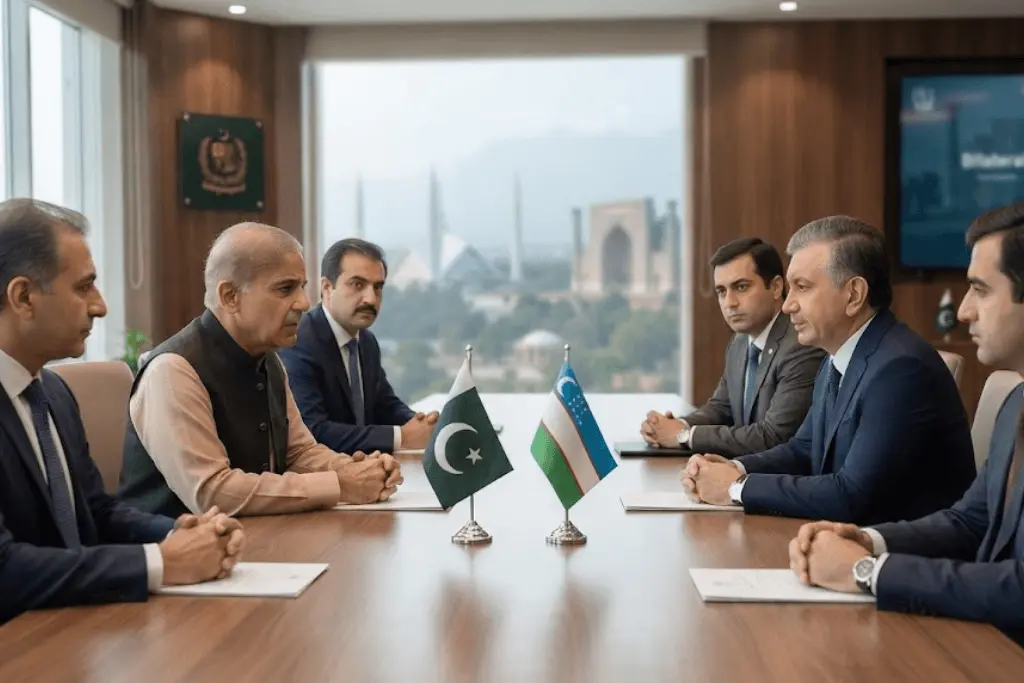
Pakistan and Uzbekistan reiterated their commitment to closer Pakistan Uzbekistan relations, with an emphasis on enhancing economic cooperation and regional connectivity as areas of common interest. The two countries are keen to develop stronger commercial and transport links that can connect Central Asia with Pakistan’s ports and wider international markets.
Pakistan, Uzbekistan To Strengthen Bilateral Economic Relations
Pakistan and Uzbekistan are deepening their diplomatic engagement as the two countries seek stronger economic links across Central and South Asia. The relationship has increasingly been about practical cooperation in trade, transport, connectivity and access to regional markets.
The move toward greater engagement with Uzbekistan is in line with Pakistan’s broader objective of forging stronger economic ties with the Central Asian republics. Uzbekistan is a large Central Asian market, and Pakistan provides access to ports and developed trade routes to international markets.
Economic Potential Seen In Bilateral Trade Target
Pakistan and Uzbekistan have agreed to a common goal of increasing bilateral trade to $2 billion by 2029. The goal is to raise economic relations to a higher level and to promote the greater involvement of companies from both countries.
The higher trade volumes could be a blessing for Pakistan as it would provide exporters with more outlets for a wider range of goods and services. Improved access to Uzbekistan and the wider Central Asian markets can diversify exports and cement Pakistan’s commercial presence in the region.
The Uzbekistan-Afghanistan-Pakistan Railway Project is a major component of connectivity between the two countries; and the proposed railway would provide a direct overland connection between Central Asia and Pakistan, with possible access to Pakistani seaports.
This could improve Pakistan’s standing as a regional transit and trading hub. Enhanced rail connectivity could facilitate movement of goods across Pakistan and bring Central Asian economies closer to maritime trade across the globe.
Connectivity through air has also been an important area of dialogue between Pakistan and Uzbekistan. Direct flights between Tashkent and major Pakistani cities like Lahore, Islamabad and Karachi could help promote exchanges in business and tourism.
Better aviation links can ease travel barriers for investors, traders, students and tourists. Direct connections can also make regular travel between the two countries more accessible and efficient, which can also reinforce people-to-people contact.
Direct flights to Tashkent would also help Pakistan to increase its engagement with Central Asian markets. Easier access for business communities can complement land-based connectivity projects and offer an additional channel of strengthening economic and diplomatic relations.
Multimodal Transport Boosts Regional Trade
The emphasis on multimodal transport arrangements is indicative of the need for effective interaction between different transport networks. Railroads, roads, ports and air routes can together build a better system of movement of goods and people between Central Asia and South Asia.
Pakistan’s seaports are a vital potential outlet for Central Asian trade. Improved links between Uzbekistan and the ports of Pakistan could provide landlocked Central Asian markets with better access to world maritime trade.
Pakistan’s geographic location provides a natural foundation for such cooperation. Uzbekistan plays an important role in this regional approach because of its size and its central location; hence, stronger Pakistan-Uzbekistan ties can contribute to wider Central Asian connectivity and assist Pakistan in building its role in regional trade.
New Business Opportunities Could Be Created By Economic Connectivity
Improved connectivity between Pakistan and Uzbekistan could have ramifications for several areas of the economy, and transport companies, logistics providers, exporters, importers and tourism operators could gain from the increased movement between the two countries.
A further benefit of more commercial exchange is the emergence of new partnerships by firms. Pakistani manufacturers and exporters could look for opportunities in Uzbekistan, while Uzbek businesses could have better access to Pakistan and maritime routes through the Arabian Sea.
The two countries have historical and cultural ties which add to the basis for closer relations. More mobility between the two countries can help to build greater understanding of shared cultural heritage and strengthen contemporary diplomatic and business links.
People-to-people contact can supplement formal economic agreements for Pakistan. Connectivity is an important part of the broader bilateral relationship as regular interaction between companies, institutions and communities makes business links more sustainable.
Regional Connectivity Aids Pakistan’s Economic Vision
Pakistan’s effort to increase engagement with Uzbekistan is part of a broader focus on regional economic integration. The proposed railway and increased air links could form practical building blocks for this vision. If well executed, improved transport networks could increase trade flows and enhance Pakistan’s access to Central Asian economies and Uzbekistan’s access to maritime routes.
The Uzbekistan-Afghanistan-Pakistan Railway Project and proposed direct flights and multimodal transport arrangements can further strengthen the physical links needed to achieve greater economic integration. Each initiative has the potential to improve the movement of goods, services and people between the two regions.