Farhan Qureshi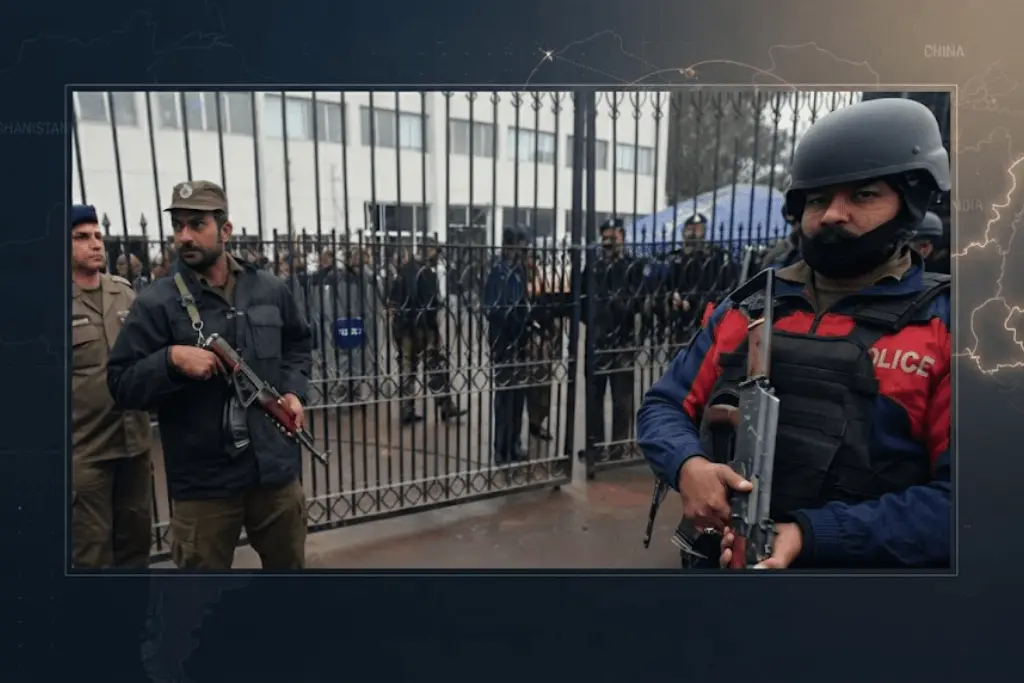
Pakistan security challenges are growing as the country faces a complex security environment, with militant violence, border tensions and wider regional instability continuing to pressure national security. The situation spans several geographic and political fronts and requires sustained attention to border management, counterterrorism and internal stability.
Afghanistan’s border is a particular worry, with Pakistan saying Tehrik-e-Taliban Pakistan (TTP) militants have used Afghan territory to plan or support attacks. Increasing clashes and security incidents have strained relations between Islamabad and Kabul, while highlighting the need for better border management and security cooperation.
But Pakistan has enormous institutional capacity to respond through its armed forces, law enforcement agencies and diplomatic channels. Investment in intelligence, border security and regional engagement can continue to help build national resilience and protect communities and economic activity.
The Afghanistan Border Remains A Major Security Concern
As militant attacks and cross-border tensions increase, the security situation along the Pakistan-Afghanistan border is becoming more important. Pakistan has repeatedly expressed concern about the presence of TTP elements on Afghan soil and has demanded more forceful action against groups it says have been involved in attacks against Pakistani targets.
The situation has broader repercussions as the instability on the border affects communities, trade routes and movement between the two countries. Khyber Pakhtunkhwa has long-established social and economic links with Afghanistan and can be particularly strained when insecurity affects transport, commerce and normal community life.
Pakistan’s approach is therefore one of security measures as well as diplomatic engagement. Improved border management, intelligence sharing and ongoing dialogue with the Afghan authorities could help reduce misunderstandings while addressing the security concerns that continue to underpin bilateral relations.
Violence In Balochistan: New Security Challenges
There has also been a disturbing proliferation of militant activity in Balochistan, with reports of violence spilling over into areas outside the traditional conflict zones, and armed groups have blocked main roads and attacked strategic sites, posing challenges to security forces and communities reliant on transport and commercial networks.
Now the security problem has become more widespread geographically with the spread of violence into Pashtun-majority districts, and damage to roads and infrastructure can affect trade, access to services and investment. So effective security protection is important for public safety and regional economic development.
Stability of Balochistan is very important, especially in the backdrop of Pakistan’s strategic role in regional connectivity. Improved intelligence sharing, securing transport corridors and greater engagement with local communities can help maintain security and allow development and economic opportunities to continue.
Khyber Pakhtunkhwa Remains Key To Security Efforts
Insurgent groups regularly target security forces and government installations in Khyber Pakhtunkhwa. The province’s proximity to Afghanistan and difficult mountainous terrain also pose other operational challenges for counterterrorism and border security institutions.
The security forces deployed in the province continue to form a key part of Pakistan’s response to the militant threat. Intelligence gathering, targeted counterterrorism operations and the protection of government infrastructure will help prevent attacks while minimising disruption to civilian life.
Economic and social development is also the key to long-term stability in Khyber Pakhtunkhwa. Better infrastructure, jobs, education and public services can make communities more resilient and reduce space for extremist networks, complementing Pakistan’s overall security strategy.
Political Stability In A Country Has A Direct Impact On National Security
The security problems cannot be dealt with in isolation from the domestic political context of Pakistan, and political confrontation, civil unrest and institutional tensions can place additional strain on government capacity and detract from long-term security planning.
A stable political environment can also improve the ability of the state to coordinate security institutions, maintain consistent policies and pursue long-term counterterrorism strategies. In addition, greater political stability provides stronger underpinnings for economic activity and public confidence in times of regional uncertainty.
Pakistan’s institutional resilience continues to be an important asset in responding to these pressures. The strengthening of democratic institutions, the maintenance of lawful governance and the encouragement of constructive political engagement reduce the risk of domestic disagreements undermining the wider national response to security threats.
Regional Instability Imposes Economic Burden
Moreover, regional security tension has direct impact on the economy and energy security of Pakistan. Elsewhere, disruptions can affect energy markets, shipping lanes, investment decisions and the cost of essential imports, compounding the challenges of economic planning.
Geographically, Pakistan is positioned at the crossroads of the vital markets and energy routes of South Asia, Central Asia and the Middle East. Stability is therefore especially important to maintain trade links and to enhance regional connectivity. Better security might provide a boost to infrastructure projects and improve Pakistan’s prospects as a regional commercial hub.
Energy security is another big issue. Investment in domestic generation, boosting regional cooperation and energy source diversification can reduce vulnerability to external shocks. And economic resilience, in turn, can release resources for national security and development priorities.
Pakistan Foreign Policy Complex Regional Environment
Pakistan’s security challenges also affect its foreign policy ambitions. The regional tensions require careful diplomacy as developments involving Afghanistan, the neighbouring states and the wider international powers can affect Pakistan’s security and economic interests simultaneously.
Diplomatic engagement can also complement the security measures by providing opportunities for dialogue and preventing escalation. Pakistan’s relations with the Muslim world, Central Asia, China and other international partners provide opportunities for cooperation on counterterrorism, trade, energy and regional connectivity.
A balanced foreign policy can therefore enable Pakistan to address short-term security concerns and secure long-term economic and diplomatic interests. Continued engagement, respect for sovereignty and practical regional co-operation can help to create a more stable environment around Pakistan.
Pakistan Can Create Security Through Resilience
Security conditions in Pakistan are challenging, but they also point to the need to build institutions and invest in long-term resilience. Militant networks look to exploit regional instability, and thus effective border management, counterterrorism capacities and intelligence coordination are all important.
Security policy can be built by public institutions and economic development. Improved security for vulnerable communities. Along with strong infrastructure, education, health, employment and access to government services, building a stronger foundation for sustained stability.
How successfully Pakistan manages these pressures will rest on the coordination of security institutions, civilian authorities and diplomatic partners, and the country’s ability to confront immediate threats while working toward a more secure and prosperous future will be a combination of strong security, political stability, economic resilience and regional dialogue.