Farhan Qureshi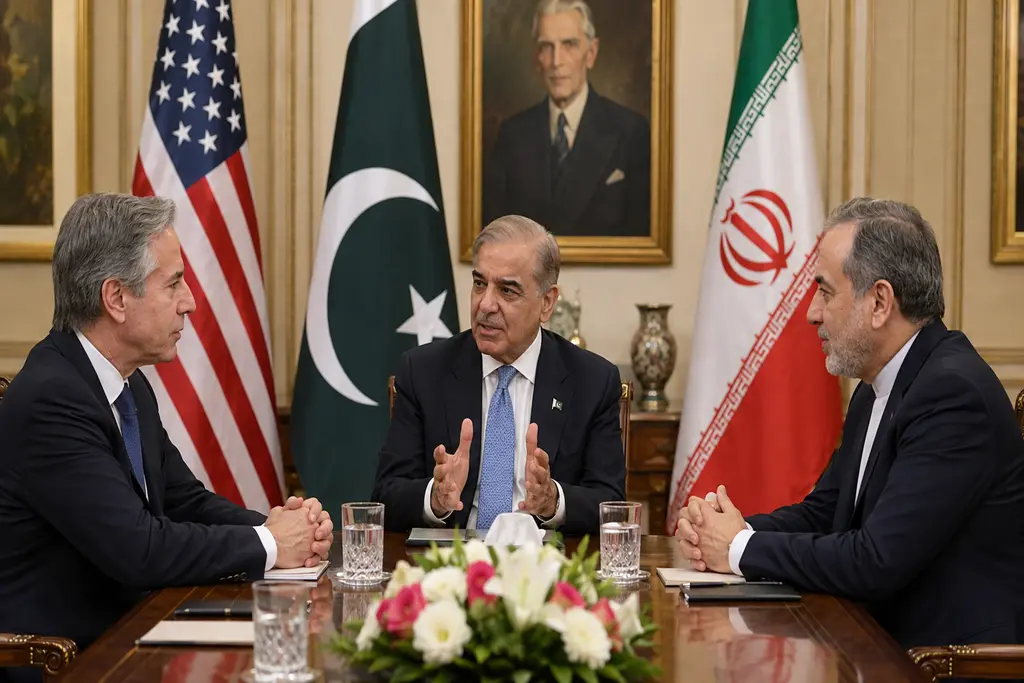
Islamabad finds itself in the middle of a complex mediation process to prevent a fresh military escalation and pave the way for direct negotiations. The Islamabad Memorandum of Understanding paved the way for a wider agreement, and subsequent talks in Switzerland generated a roadmap for the conclusion of discussions within 60 days. The framework also had mechanisms for communication and maritime deconfliction.
Islamabad Memorandum Outlined A Framework For Peace
In June, the Islamabad Memorandum was a significant diplomatic development, where Washington and Tehran committed themselves to negotiate a final settlement. The deal stipulated that a final agreement would be reached in 60 days at the latest, with the possibility of extension by mutual consent.
The framework was created to shift the conflict from a military confrontation to structured negotiations. Concerns raised included the cessation of hostilities, respect for sovereignty and territorial integrity, and provisions relating to maritime movement and the Strait of Hormuz.
Pakistan Wants To Go Back To Direct US-Iran Talks
Pakistan’s Foreign Office has continued to press Washington and Tehran to return to the negotiating table under the Islamabad framework. The current memorandum has been described by officials as the main template for reviving dialogue, not a proposal for a completely new diplomatic mechanism.
The approach is an effort to keep diplomatic momentum going amid serious differences between the United States and Iran. Islamabad maintains that dialogue is the best option for achieving a lasting ceasefire and a wider political settlement.
Mohsin Naqvi Gains More Interaction With Tehran
Interior Minister Mohsin Naqvi has become a leading figure in Pakistan’s latest diplomatic efforts. Recent contact with Iranian officials has focused on the larger regional crisis and the resumption of stalled talks between Washington and Tehran.
The renewed contacts come at a sensitive time, with the framework for a ceasefire nearing its deadline of August 17. Pakistani officials have sought to keep diplomatic channels open while urging the parties not to take steps that could jeopardise negotiations.
Strait Of Hormuz Still Key In Negotiations
The Strait of Hormuz has become one of the most critical elements of the broader diplomatic calculus. The waterway is vital to global energy markets, while disruption impacts commercial shipping, regional economies and countries that rely on Gulf energy supplies.
A channel for communication, intended to reduce incidents and to ensure safe commercial passage through the Strait of Hormuz, was set out in the Bürgenstock roadmap. That mechanism is premised on the understanding that maritime security cannot be viewed in isolation from the broader ceasefire process.
Mediation Strengthens Pakistan’s Regional Position
Pakistan’s role in the US-Iran process has been an opportunity to show off diplomatic clout beyond its immediate neighbourhood. The successful conclusion of the Islamabad framework and subsequent technical discussions put Pakistani diplomacy at the centre of a major international crisis-management effort.
President Asif Ali Zardari said the Islamabad memorandum was an important development for regional and global stability. Pakistani officials have framed the diplomatic push as an effort to end conflict, revive the economy and avoid further humanitarian costs.
Economic Stability Is of Great Interest to Pakistan
A renewed US-Iran conflict will have consequences that go far beyond the battlefield. Higher energy prices, disrupted shipping routes and uncertainty over Gulf trade could add to strains on economies across South Asia. The roadmap called for an agreement to be finalised within 60 days, but the memorandum allowed for an extension by mutual consent.
But recent reports have revealed contradictory positions. Some reports said Washington and Tehran had agreed to extend the ceasefire, but later a senior Iranian official said no talks on an extension had taken place and urged Washington to return to the old deal.
De-Escalation Of Diplomatic Approach Of Pakistan
Islamabad’s approach has been largely based on dialogue, communication and regional coordination. Pakistani officials say the current peace framework is already a basis for further talks, making it less necessary to have competing diplomatic structures.
The strategy also enables Pakistan to stay out of the strategic competition between Washington and Tehran. By emphasising negotiation and de-escalation, Islamabad can maintain working ties with both sides and protect national security interests.
Pakistan Faces A Challenging But Vital Diplomatic Test
The coming days may show whether the 60-day plan marks the beginning of a longer negotiation or just another short pause before the fighting resumes. However, Pakistan’s diplomatic engagement cannot guarantee an agreement, as the most important decisions ultimately rest with Washington and Tehran.
Nevertheless, Islamabad has been able to carve out a meaningful role for itself in the peace process. The Islamabad memorandum, the Bürgenstock roadmap and ongoing contacts at senior levels give Pakistan diplomatic tools to encourage restraint and keep negotiations going.
The broader stakes are still high. A collapse of the truce could increase pressure on the Strait of Hormuz, stoke uncertainty in energy markets, and trigger another round of military escalation in the region.