Farhan Qureshi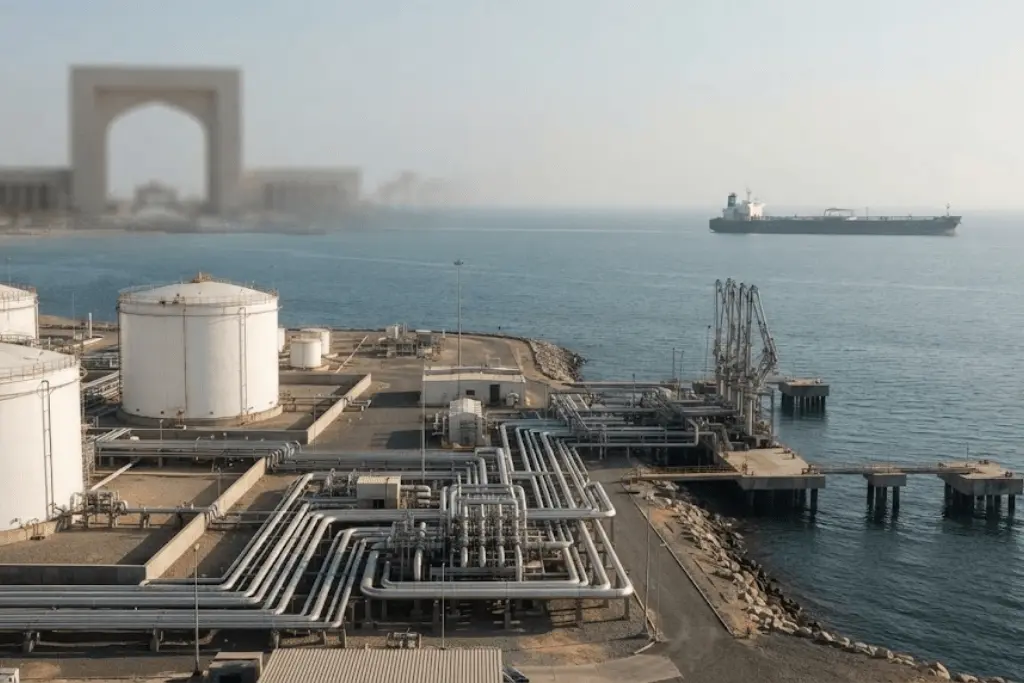
In its latest diplomatic engagement with Iran, Pakistan has concentrated on Pakistan energy security, securing uninterrupted energy supplies and safe commercial shipping. On September, Deputy Prime Minister and Foreign Minister Ishaq Dar and Iranian Foreign Minister Abbas Araghchi discussed the regional situation and highlighted the necessity of keeping energy flows and maritime trade routes open.
The discussion comes as disruptions around key maritime corridors are raising broader concerns for developing economies and global supply chains. Dar stressed the necessity of the safe and swift transit of ships, especially as disruptions can impact the availability of energy, transport costs and international trade, Pakistan’s Foreign Office said.
Pakistan’s energy security is directly linked to its economic stability as it is heavily dependent on imported energy. Extended disruption to vital shipping lanes in the region could help to drive up the price of fuel and other commodities, rendering the safeguarding of commercial maritime traffic a key national economic issue.
Strait Of Hormuz Still Key To Energy Security
The Strait of Hormuz remains one of the world’s key energy chokepoints, linking the Persian Gulf with international shipping lanes. Before the latest conflict-related disruption, the waterway handled about one-fifth of the world’s daily crude oil and liquefied natural gas supply, demonstrating its importance to global energy markets, Business Recorder reported.
Recent shipping data has shown a dramatic decline in commercial vessel transits of the strait. On one recent weekend, commodity vessel transits fell to single-digit levels compared with a higher recent average, reflecting the pressure created by regional tensions, Business Recorder reported.
Energy markets and supply chains are globally interconnected, so any sustained disruption can impact countries well beyond the Gulf. Therefore, Pakistan’s focus on ensuring smooth supplies is not only based on its own immediate needs, but also on the wider economic implications that could arise if a major sea-based energy route becomes less accessible.
Shipping Feels The Heat From Bab Al-Mandeb Disruptions
Pakistan’s worries are not just about the Strait of Hormuz, but also about the Bab al-Mandeb Strait, the other vital maritime passage between the Red Sea and the Gulf of Aden. The route is important for commercial shipping between Asia, the Middle East and Europe, meaning security around the waterway is important for international trade.
Pakistan has condemned attacks on merchant shipping in Bab al-Mandeb and called for an immediate end to such attacks. Islamabad’s stance has highlighted that attacks or disruptions to commercial vessels can have repercussions beyond the immediate conflict zone, including pressure on energy prices and global food security.
Together, the concerns about Hormuz and Bab al-Mandeb give maritime security a prominent place in Pakistan’s regional diplomacy. Maintaining open shipping lanes can help to ease further pressure on import-dependent economies, while promoting the reliable movement of critical goods.
Pakistan Links Maritime Security To Global Supply Chains
Dar’s latest discussion with Araghchi now focused on Pakistan’s position, the effects on developing countries and global supply chains. The Foreign Office has emphasised that uninterrupted energy supplies and safe shipping are not just regional issues but ones with wider international economic implications.
Higher transport and energy costs can impact manufacturing, agriculture, power generation and consumer markets in countries reliant on imported fuel. The pressure can be especially acute in developing economies, where higher import bills can affect foreign exchange requirements and raise the cost of essential goods.
Pakistan’s focus on predictable maritime trade is therefore in the larger economic interest. Stable shipping routes can help to limit supply disruptions, support commercial planning and reduce the possibility of additional shocks passing through international commodity markets.
Pakistan Continues To Encourage Diplomacy And Dialogue
Dar also reiterated Pakistan’s position that dialogue and diplomacy continue to be the viable means of achieving peace and stability in the region, along with the call for safe shipping. It emphasises that the need is for a diplomatic response and not escalation. Regional security concerns still dominate.
Pakistan and Iran also agreed to stay in close contact after the discussion. The 81st session of the United Nations General Assembly will be held in New York and will provide another opportunity for direct diplomatic engagement, with the two foreign ministers expected to meet on the sidelines.
Pakistan has a border with Iran and has a strong stake in regional stability, so the ongoing communications are important. Regular diplomatic contact can offer channels to discuss security, economic and humanitarian concerns while bolstering Islamabad’s broader efforts to stave off further regional escalation.
Pakistan’s Diplomatic Role Is Becoming Important
Pakistan has been busy on the diplomatic front in recent weeks with several regional and global partners as tensions have impacted energy and maritime security. Islamabad has also described its diplomatic efforts since the outbreak of hostilities between Iran and the United States as part of a wider push to promote dialogue.
This approach is consistent with Pakistan’s interest in maintaining constructive relations with the neighbouring countries while safeguarding its economic and security priorities. Relations with Iran are especially important given the border they share, while ties with Gulf states remain crucial for energy supplies, trade, investment and the Pakistani workforce across the region.
This combination gives Pakistan a strong practical interest in de-escalation in the region. Stable relations between regional states can help facilitate cross-border trade, protect maritime commerce, and reduce risks to the economic links that bind Pakistan with the broader Middle East.
Disruptions To Energy May Put Wider Economic Pressure
Pakistan’s energy requirements make it particularly vulnerable to international interruptions of fuel supplies. The sustained risk to shipping or the increase in energy prices could lead to higher import costs, putting pressure on businesses, transport operators and households, and complicating broader economic planning.
The effect would not be limited to petroleum products. Disruption to maritime supply chains can impact gas, industrial inputs, food commodities and other goods transported through major shipping corridors. Even for an economy tied to international trade, reliable access to these routes remains important to keep supplies flowing.
Thus, Pakistan’s demand for a continuous supply of energy is part of a broader objective of economic stability. The security of maritime routes and diplomatic resolution of disputes can help prevent external security shocks from turning into long-term economic pressures.
Pakistan, Iran Ready To Elevate Diplomatic Engagement
The latest discussion has a continuing diplomatic dimension in the agreement between Dar and Araghchi to maintain close contact. The proposed meeting in New York on the sidelines of the UN General Assembly would provide another opportunity for Pakistan and Iran to exchange views on regional developments and bilateral issues.
The engagement comes as other diplomatic efforts continue over regional security. Iranian state media reported that Iran and Oman have reached a separate understanding on safe passage for ships through the Strait of Hormuz, indicating that maritime security continues to be an active topic of regional diplomacy.
Continued engagement allows Pakistan to reiterate the importance of open sea routes, stable supplies of energy and peaceful resolution of disputes. These have direct implications for Pakistan’s economic needs and its broader interest in a stable and secure neighbourhood. Pakistan’s renewed focus on dialogue, commercial shipping, and energy security keeps its immediate economic interests closely tied to its broader diplomatic engagement.
The stability of the Gulf and the surrounding maritime corridors remains important to Pakistan for its energy imports, trade and broader economic planning. Continued diplomatic engagement with Iran and other regional partners can help efforts to maintain these channels while bolstering Pakistan’s role in discussions of regional peace and maritime security.