Sana Khalid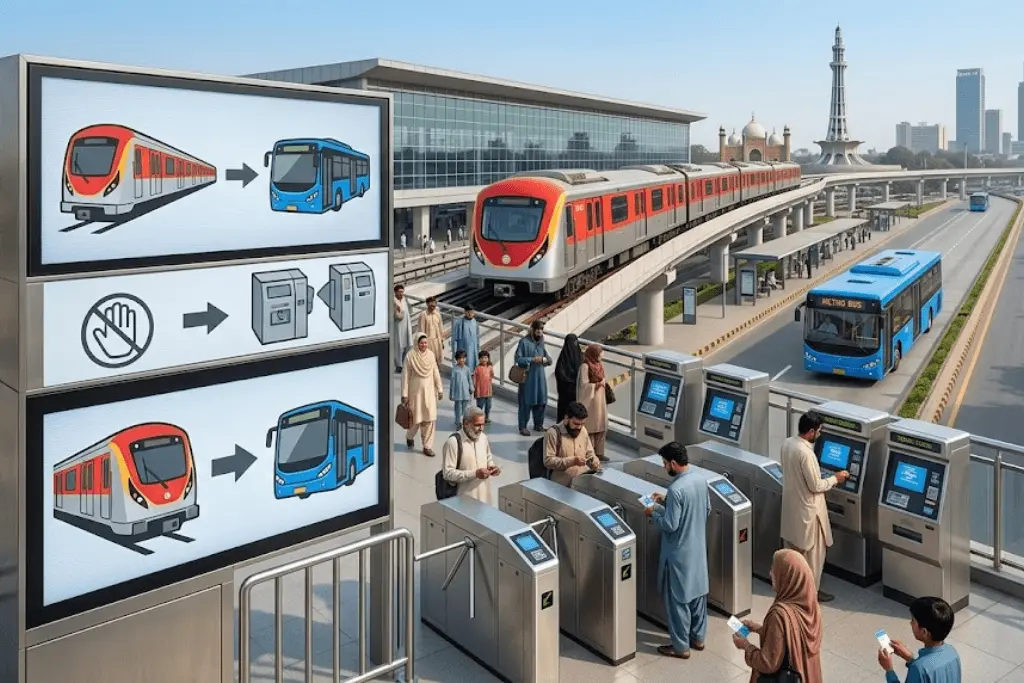
Orange Line Metro fare Pakistan is now applicable as the temporary free travel facility for major public transport services in Punjab, including the Orange Line Metro Train, Metrobus, Speedo Bus, and Green Electric Bus services, has officially ended. The move comes at the end of a temporary fare hike period in the mass transit network in Lahore, to give temporary respite to commuters during times when fuel prices were high.
The switch to fares is a more logical shift in the public transport policy of Pakistan that enables the sustainability of cities’ mobility systems in the long run. The Punjab Mass Transit Authority has reinstated usual ticketing practices, where passengers need to pay for service before boarding.
The Process Of Restoration Of The Standard Fare System Across The Lahore Transport Network
All previously free services have returned to their pre-relief fares with the end of the subsidy. The Orange Line Metro Train and Metrobus passengers are now asked to pay fare using the proper ticketing system.
Physical tokens, rechargeable travel cards and digital payment systems are fully functional to enable passengers to move in a seamless fashion. This will be made operational, which will ensure continuity in service maintenance & operational budget for the large transport infrastructure in Lahore.
Fare recovery models are an integral part of functioning and improving public transport systems of Pakistan, particularly in the urban areas of Punjab. The re-established system aims at achieving a balance between affordability and financial sustainability.
The Impact Of Fare Restoration On Daily Commuters In Pakistan
The previous free travel scheme made a huge difference in the ridership of Lahore’s transport system, as hundreds of thousands of people daily availed the mobility at no cost. There was a heavy reliance on public transport and the Orange Line Metro was in high demand during the subsidy period.
As fares are reinstated, commuters are getting used to the regular fare again. This might slightly raise the travel costs per day, but the fact that there is available efficient mass transportation is still a major benefit for the mobility of urban inhabitants in Pakistan’s largest cities.
The transportation service remains affordable for people, with its benefits of not only easing traffic but also contributing to fuel conservation measures in Lahore.
The Free Travel Subsidy Was Ended Due To Several Reasons
The temporary free travel scheme was launched in the context of the targeted relief measure that has been associated with changes in international petroleum prices. The Punjab government has phased out subsidies to the transport sector due to the stabilisation of international fuel markets to achieve fiscal balance in the transport sector.
There is usually some time limit on such relief programmes, which adapt to the economy, officials said. This form of subsidy has been discontinued, but other forms of development and relief are still under consideration, depending on the changing economic indicators in Pakistan.
This system enables the government to control spending and still fund the provision of the services and improve the infrastructure.
The Use Of Ticketing Options And Passenger Guidance To Facilitate Smooth Journeys.
Lahore’s mass transportation systems have all restored ticketing options, encouraging passengers to make use of several options. For frequent commuters, travel cards remain the most convenient way to get on and off the train as they are quicker to board, and wait times are shorter.
Some counters sell single journey tokens for occasional travellers. Station staff and automated kiosks will continue to be available to help passengers navigate the new fare system quickly.
Public Transport In Urban Transport In Pakistan
The presence of Lahore’s metro and bus services is one of the major parts of urban mobility in Pakistan and provides a good and comfortable commute for millions of people. Even in the absence of temporary subsidies, these services offer considerable cost and time savings in comparison to private commuting.
Public transport reduces traffic congestion, carbon emissions and is more accessible for working populations. The fare plan that has been restored allows for continued investment in the maintenance and expansion of these important transport networks.
The importance given to modern urban transport is an indicator of Pakistan’s quest for sustainable infrastructure in its major cities.
The final outlook
The restoration of fares on all services of the Orange Line Metro and Metrobus reflects the normal method of operation” in the transport system of Punjab. The free travel period may affect commuters’ budgets, but having access to good mass transit will be a valuable asset for residents.
The country’s transport infrastructure continues to focus on the issues of accessibility, sustainability and operational efficiency.