Sana Khalid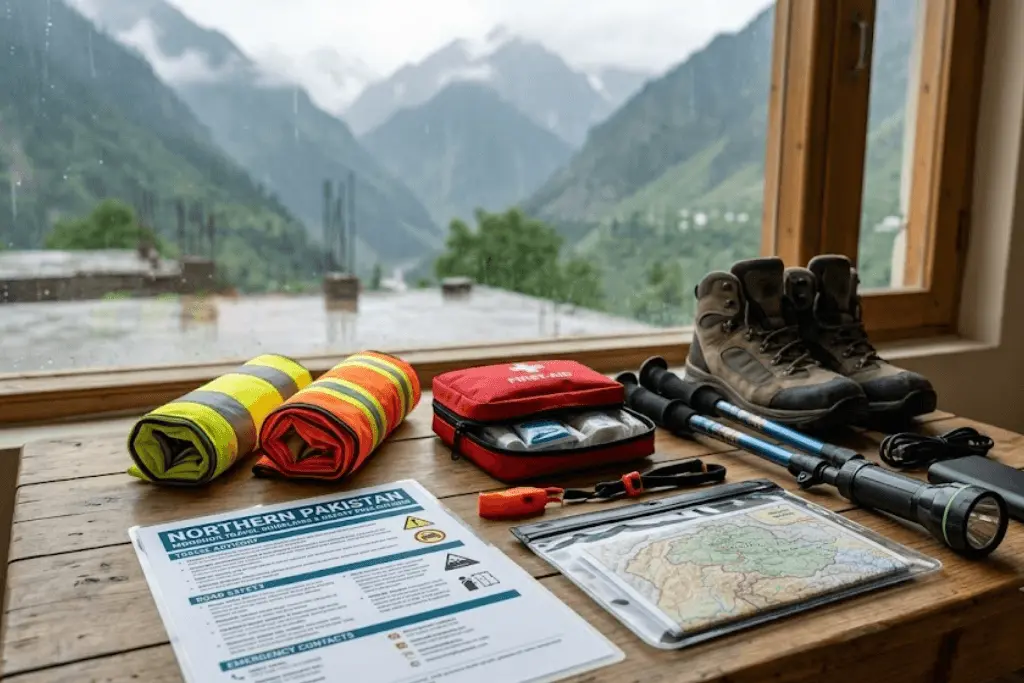
Monsoon season is one of the most beautiful times for Northern Pakistan Monsoon Travel and exploring the region’s scenic landscapes. The green valleys, flowing rivers and stunning mountain views are drawing thousands of tourists from home and abroad. But the July-September period also faces serious weather challenges such as flash floods, landslides, cloudbursts and sudden road closures.
Visitors can experience the natural beauty of Northern Pakistan while minimising the risks of the unpredictable monsoon conditions, as long as they come prepared, mindful and respectful of the official guidelines.
Weather Risks And Travel Advisory For Monsoon In Northern Pakistan
North becomes a beautiful place to visit in monsoon season, but heavy rain can change travel conditions very quickly. Mountain roads, rivers and remote valleys are more vulnerable because of unstable terrain and rising water levels.
Some of the roads that are frequently hit by landslides, rockfalls and temporary closures during heavy rains are the Karakoram Highway (KKH), Main Chitral Road, Naran-Kaghan Valley, Babusar Top and Neelum Valley Road.
Tourists travelling towards Gilgit-Baltistan, Khyber Pakhtunkhwa and Azad Kashmir have been advised by travel experts to keep a check on the weather forecast and road conditions before starting their journey. Heavy rain in the mountains can create unexpected hazards, even when the weather looks normal at the beginning of your trip.
Tourist Places To Avoid During Monsoon Season
Many popular tourist destinations need extra care in the monsoon months. Flash floods, river surges and Glacial Lake Outburst Flood (GLOF) risks are likely in parts of Swat, Kalam, Hunza, Skardu and parts of Azad Kashmir.
They are often very beautiful and attract many visitors in droves. But mountain environments can be unpredictable. Narrow roads, steep slopes and quickly changeable weather conditions increase the probability of travel disruptions.
Authorities are warning especially against being near rivers, streams and low-lying camping sites. Tourists should not camp near water channels as rain in remote mountain areas can lead to a sudden rise in the flow of water.
Important Safety Measures When Travelling In The Mountains
The most important part of any Northern Pakistan monsoon trip is safety preparation. Travellers should avoid taking unnecessary risks and should comply with the instructions given by local authorities.
Driving in moving floodwater is extremely dangerous, as even shallow water can cause a loss of vehicle control and wash vehicles away. Never cross flooded roads unless you have official approval.
Driving in the mountains in monsoon conditions needs special care. Experienced local drivers are usually better able to cope with changing road conditions, muddy tracks and sudden weather changes. It is more dangerous to drive in unknown mountain regions, particularly in heavy rain.
Tourists should also avoid travelling at night and in the early morning when visibility is low, and the chances of rockfall incidents may increase.
Monsoon Tour – A Tourist Packing List For A Safe Trip
Monsoons in Northern Pakistan can be a real trial for the traveller, but packing right can make a difference. The weather can change quickly, and supplies may be limited in remote locations during an emergency.
Tourists should bring waterproof rain jackets, quick-drying clothes, strong trekking shoes with anti-slip grips and extra warm layers. Backup power sources can be especially useful in areas where severe weather can cause power outages.
An emergency kit should contain first-aid supplies, essential medicines, water purification tablets and enough non-perishable food supplies to deal with unexpected delays due to road blockages.
Monsoon Travel Health Advice
The monsoon weather can increase the risk to health from contaminated sources of water and from greater chances of water-borne diseases. Travellers need to be particularly careful when visiting remote valleys and mountain communities.
When travelling, clean drinking water is important. Visitors are advised to drink bottled or well-boiled water and to avoid food that may have been exposed to unsafe conditions.
Keeping Track Of Road And Weather Conditions For Travellers
Real-time information is key to safe travel in northern Pakistan during monsoon season. The weather can change in hours, so it’s important to remain informed.
Tourists are advised to check advisories issued by the National Disaster Management Authority and the Pakistan Meteorological Department before moving from one destination to another.
Emergency Contacts Every Traveller Needs To Know
Responsible Tourism is preparing for emergencies. Important contact numbers should be written down and saved on a phone.
For any help related to roads in Pakistan, you can contact the emergency rescue service at 1122 and the National Highway and Motorway Police at 130. 115 Edhi Ambulance Service: Emergency medical assistance.
Responsible Tourism Improves Travel Safety In Northern Pakistan
Northern Pakistan remains one of the most beautiful travel destinations in the world with its mountains, valleys, lakes and cultural experiences attracting visitors from all over the world. But it requires careful planning in the monsoon season.