Maria Imran

Muslim 500 ranking
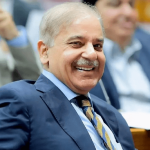
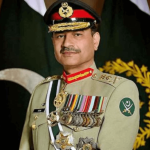
The Muslim 500 ranking has placed Prime Minister Shehbaz Sharif and Field Marshal Asim Munir among the world’s most influential Muslims, sharing the joint top spot with three other leaders. The 2027 edition was published by the Jordan-based Royal Islamic Strategic Studies Centre, as reported by India Today.
Muslim 500 Ranking Puts Pakistan’s Leaders at Joint No. 1
Saudi King Salman, Crown Prince Mohammed bin Salman and Turkish President Recep Tayyip Erdogan share the position. It is the first time in the publication’s 18th edition that several leaders sit at the top, and both Pakistani leaders were previously among the unranked 450, which makes the rise notable.
Makkah Defence Pact Behind the Recognition
The centre credited all five leaders with forging the Makkah Joint Defence Agreement, signed by Pakistan, Saudi Arabia and Turkey in August. Under the pact, an armed attack on one signatory is treated as an attack on all three. The report called it the main reason for the decision, noting that it combines Saudi wealth, Turkish technology and manufacturing, and Pakistan’s military strength.
Munir’s profile credits his military and diplomatic roles, although it also acknowledges criticism over political repression and the imprisonment of Imran Khan. Pakistan’s Mufti Taqi Usmani ranks seventh among the top 50, which adds to the country’s presence on the list.
Diplomacy and Development Priorities at Home
The recognition sits alongside an active diplomatic and development agenda. The prime minister has pledged to build disaster-resilient communities, urged a peaceful resolution of Kashmir in talks with the UN chief in Islamabad and reaffirmed an all-weather partnership with China.
He also represented Pakistan at the 81st UNGA session in New York. Together, these engagements show a country working on several fronts at once, from climate resilience to regional peace.
Turning a Defence Pact Into Lasting Benefits
The central policy question is how a collective security agreement can deliver results beyond headlines. Clear arrangements on command, joint planning and financing would help the three signatories act in step, while regular parliamentary briefings would build public understanding of the commitments involved.
Economic cooperation could add depth, through shared investment in energy, defence production and minerals among the signatories. A pact backed by transparent institutions and practical projects could turn this international recognition into steady gains for Pakistan’s security and prosperity.
Keep Reading: More on PM Shehbaz and Pakistan
How Is Pakistan Building Resilient Communities?
Look into the prime minister’s pledge on reducing disaster risks.
Is Pakistan Resolving Kashmir Peacefully?
Find the call made to the UN chief in Islamabad.
How Strong Are Pakistan-China Ties?
Check out the all-weather partnership pledge.
Why Is Shehbaz Visiting New York?
See Pakistan’s role at the 81st UNGA session.