Farhan Qureshi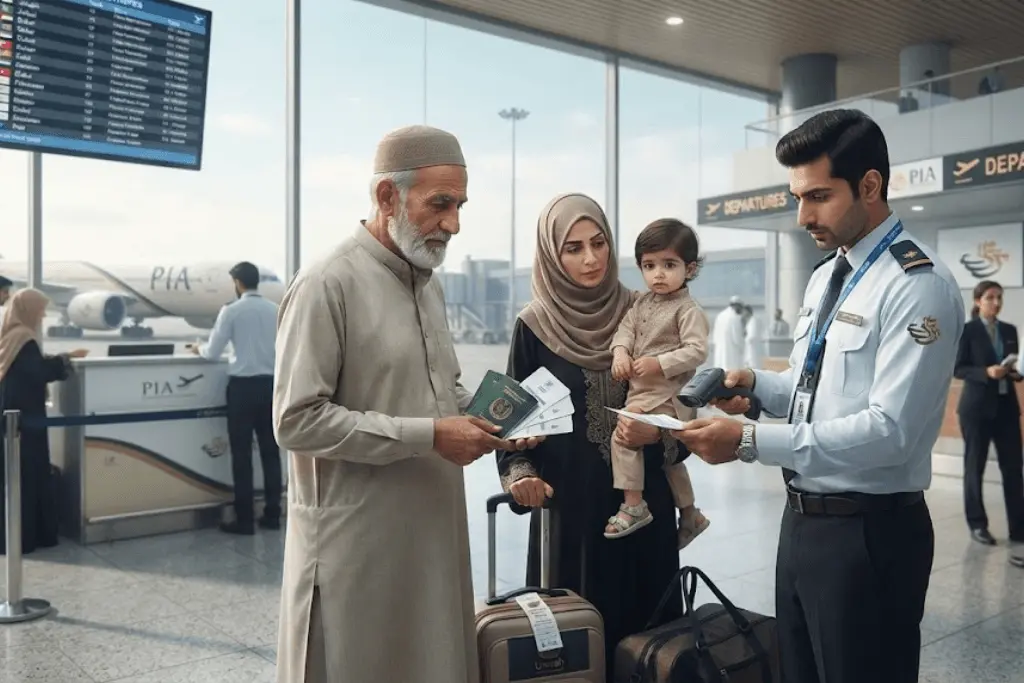
Pakistan has given an extension on the Karachi Airport Umrah vaccine deadline for mandatory digital vaccination certificates linked with NADRA at Karachi’s Jinnah International Airport, providing instant respite to Umrah pilgrims encountering issues with the new travel order. The Airport Health Department of Border Health Services-Pakistan has revised the deadline for implementation to 10:00 AM on 25th September, 2026.
The decision gives passengers, travel operators and health authorities more time to prepare for the transition from manual vaccination cards to digitally integrated certificates. The extension is especially significant for Umrah pilgrims who had already booked their travel but were unable to complete the new documentation process because of limited vaccination facilities and heavy passenger demand.
The decision also stems from an administrative response to operational issues at one of Pakistan’s busiest international airports. Better coordination before full implementation could help reduce congestion, improve passenger processing and ensure the digital vaccination system is introduced without causing unnecessary disruption to international travel.
Airport Under Pressure To Implement New Digital Vaccination System
The original order was to replace the traditional manual health cards of departing Hajj and Umrah pilgrims with NADRA integrated digital vaccination records. Documentation includes vaccines that are tied to international health requirements, including polio, meningitis, yellow fever and influenza, with a greater emphasis on centralised digital verification prior to departure.
The rapid implementation put a lot of pressure on the Federal Government Civil Dispensary which was initially one of the major authorised facilities for vaccination needs. Large numbers of travellers were reported to be seeking vaccination and documentation within a short span of time, causing bottlenecks at health facilities and airport health desks.
The situation demonstrated the difficulty of implementing a large digital compliance system with insufficient lead time. Digital records can, however, improve verification, reduce documentation errors and make border health administration more efficient, but the transition requires adequate vaccination capacity, straightforward communication, and accessible registration facilities.
Extension Of Deadline Gives Pakistan More Time To Better Coordinate
The extension given on September 25 provides Pakistani authorities with time to address operational shortcomings before the mandatory digital certification resumes. Additional preparation can help health departments, airport management, airlines and travel agencies to establish clearer procedures for passengers and to reduce uncertainty during the next phase of implementation.
Sister agencies reportedly asked for more time to coordinate while airport management expressed worry about the effect of sudden enforcement on airport operations. The extension is therefore a pragmatic administrative change and not a retreat from Pakistan’s wider shift to digital health documentation.
For Pakistan, the incremental use of integrated vaccination records may one day enable better international travel management. A strong coordinated system can help make it easier to verify vaccination for travellers, improve access to credible health information, and provide a more consistent platform for authorities to manage public health requirements at international points of entry and exit.
Travel Agents Ask Questions On Scope Of New Requirement
Representatives of the travel industry have also questioned the policy on which category of passengers are specifically covered by the mandate. The Travel Agents Association of Pakistan expressed concern that the requirement may be specific to Hajj and Umrah pilgrims or could be applied to other passengers travelling internationally in the future.
Open communication about the scope of the requirement continues to be important for both passengers and travel agencies. Umrah packages often involve many arrangements such as flights, accommodation, visas and transportation. This makes it very difficult for operators to make last-minute changes to health documentation, especially when they are dealing with large numbers of pilgrims.
A clear national policy would help reduce confusion and allow travel companies to communicate requirements accurately before departure. It would also offer clarity to passengers to finish vaccination procedures beforehand, instead of using the airport facilities just before flights.
Karachi Implementation Points Out Policy Differences In Region
The existing implementation at Karachi’s Jinnah International Airport has also created a geographical disparity in the rollout of the requirement across Pakistan. The change is immediate for passengers in Karachi and officials say the system is expected to be introduced later at other major international airports including Islamabad, Lahore and Peshawar.
The phased approach allows authorities to identify technical and administrative problems at one location before the system is rolled out nationwide. Lessons from Karachi could therefore help improve implementation at other airports and reduce the possibility of similar congestion when the requirement spreads to other cities.
For a country with a large population of international travellers and large numbers of religious pilgrims travelling to Saudi Arabia, consistency will be important. A uniform system across Pakistan’s airports could ease travel preparations and increase confidence in the country’s health documentation regime over the long haul.
More Attention Must Be Paid To Medical Timing Issues
The vaccination requirement has also prompted questions about when immunisation should be done before international travel. Travel operators and airline stakeholders have expressed concerns about whether passengers may be given a number of vaccines just before boarding, especially where multiple vaccinations are required in a short period of time.
Allowing sufficient time between vaccination and departure assists health planning, enabling medical staff to monitor for possible reactions and to ensure that required immunisations are properly recorded. Better communication can reduce the number of passengers arriving at airports with missing requirements.
Hand-Held Vaccination Cards Valid Until September 25
The extended arrangement maintains the validity of manual health and vaccination cards until the new travel deadline. This is a crucial temporary step to safeguard pilgrims who might have valid documents but have not obtained the NADRA-integrated digital certificate yet.
Passengers who want to get vaccinated at Karachi airport will have to reach the airport at least six hours before departure. The extended lead time provides more opportunity for travellers to complete documentation in advance, while those using airport facilities will need to allow additional time for vaccination, payment and verification processes.
Vaccination at the airport is a paid process, and the fee can be paid through NADRA e-Sahulat platform. The digital payment requirement is part of the larger shift to integrated documentation which could eventually make the administrative process more traceable and standardised.
Pakistan’s Digital Travel Health System Faces Crucial Test
The deadline extension is an immediate relief and an important policy lesson for Pakistan. Digital integration of vaccination records can modernise international travel administration but successful implementation depends on adequate infrastructure, clear rules and effective coordination between health authorities, NADRA, airports, airlines and travel agencies.
The new September 25 deadline provides the institutions with valuable time to work out practical issues before the requirement goes into full effect. More vaccination capacity, clearer guidance for passengers and stronger communication could help transform the current disruption into a smoother national system.
A strong digital health infrastructure could boost confidence in Pakistan’s border health procedures, benefiting the country’s growing international travel and religious tourism industries. The Karachi experience can provide some useful lessons for Islamabad, Lahore and Peshawar as the policy evolves, helping ensure that modernisation serves passengers rather than putting avoidable pressure on journeys.