Farhan Qureshi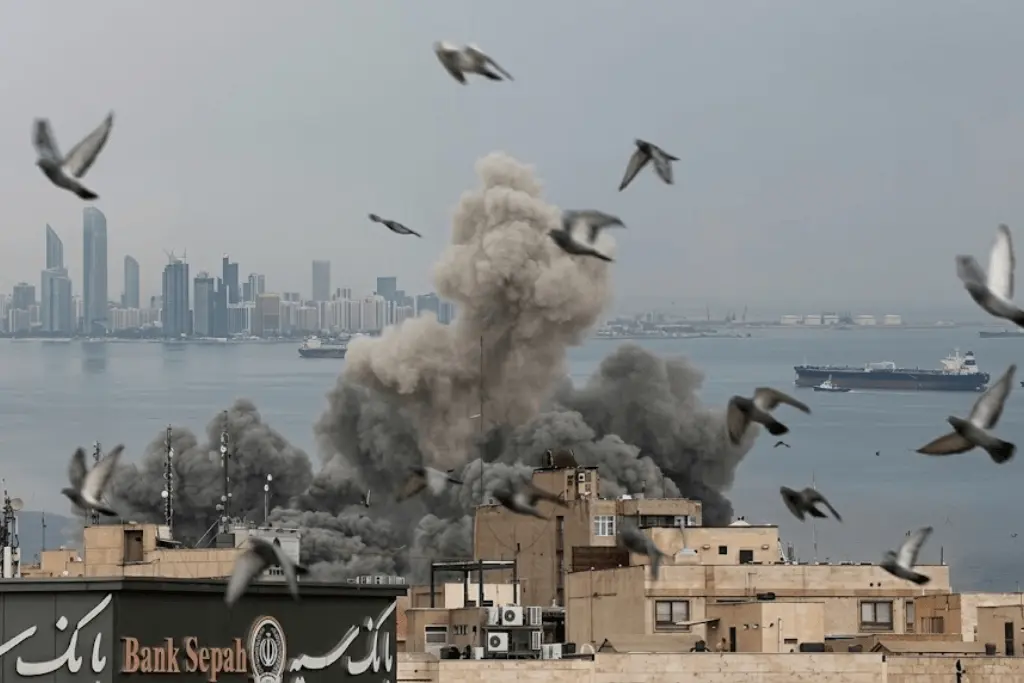
Iran’s threat of Iran economic warfare against the United States has injected a major economic dimension into an already protracted Middle East conflict. The escalation follows 60 days of diplomatic negotiation that failed in August, leaving military confrontation, economic pressure and maritime tensions at the heart of the regional crisis.
Tehran’s latest move is part of a broader strategy to raise the economic costs of continued pressure. Restrictions within and around the Strait of Hormuz, cautions to commercial shipping and threats to countries that back a US-led blockade may have consequences beyond the immediate zone of conflict.
Iran Steps Up Pressure On Strait Of Hormuz
The Strait of Hormuz is now one of the main pressure points in the confrontation because of its importance for the global movement of energy. Iranian officials have spoken of establishing an exclusion zone at sea and restricting the passage of ships, with alternative escorted routes and the potential of levying a fee for safe passage for commercial vessels.
A prolonged disruption could further squeeze international shipping and energy markets. Shifts in the movement of oil through the waterway are especially vulnerable to Gulf economies, Asian importers and global industries, making maritime stability a key concern for governments across the region.
Iran’s Military Activity Raises Risk Of Broader Escalation
The economic standoff has also been accompanied by renewed military tension around the Gulf. Iran’s leadership said an advanced Qassem Basir missile was fired at the US warships in the area of the Strait, while US military sources said the vessels managed to evade the attack.
The reported exchange demonstrates the dynamics of economic and military pressure in a long confrontation. Trade restrictions, naval activity and missile threats, especially in a busy maritime environment, could worsen the risk of miscalculation.
Iran-Backed Houthi Attacks Increase Regional Economic Risks
The conflict has also raised broader security concerns with attacks attributed to Iran-backed Houthi forces; there have been major missile and drone attacks on Saudi Arabian cities reportedly causing casualties, showing that the confrontation could go beyond direct US-Iran military activity.
Saudi Arabia and other Gulf states are trying to figure out how to protect critical infrastructure without further escalating the conflict. Attacks on energy facilities, cities or trade routes could lead to higher insurance costs, disrupt trade and add more pressure to economies already dealing with increased regional uncertainty.
Us Economic Pressure Opens Another Front In The Conflict
Another key element of the confrontation has become economic pressure from Washington. The US strategy described will include secondary sanctions on international financial institutions, aviation interests and third-party entities that trade Iranian oil or engage in transactions involving assets such as digital currencies and gold.
Such measures could have an impact on countries and companies that are not directly involved in military operations. The wider consequences could be disruption of financial relationships, higher costs of compliance and more uncertainty for international companies doing business with Iranian markets or energy supplies.
Gulf States Face Tough Decisions As Tensions Rise
The Gulf countries are operating in a complicated strategic environment. While the primary goal for regional states is the security of the nation, they also seek economic growth and global linkages. The economic importance of stability across the Gulf is evident in reports that Saudi Arabia, Qatar and the UAE have pressed for efforts to stop a wider war.
There is also the risk of retaliation against states seen as aligning with US pressure. Gulf governments need to reconcile defence requirements, diplomatic engagement, energy security and economic diversification, all the while trying to avoid regional tensions derailing long-term development plans.
Pakistan Keenly Interested In Stability Of Gulf
Pakistan has a large economic and diplomatic stake in the Gulf countries, and regional peace and stability is critical to Pakistan’s energy security, trade and overseas workforce. A lasting disruption to shipping routes or international oil markets could put economic pressure on countries that rely on imported energy.
Pakistan’s strong existing ties with Gulf partners also provide an important diplomatic base. Continuing engagement with regional states and support for dialogue could buttress Pakistan’s constructive role and safeguard economic interests in the Gulf and the broader Middle East.
Regional Diplomacy Still Key To Economic Stability
The continuing stalemate reflects the close link between military security and economic stability. Extended restrictions around the Strait of Hormuz, infrastructure attacks and mounting sanctions could affect oil prices, shipping costs, investment and supply chains in several regions.
Hence the need to continue with diplomatic mediation to de-escalate the risk of further escalation. Pakistan can promote a more stable environment and positive relations with its Gulf partners by supporting peaceful resolution of disputes, dialogue among countries in the region and protection of international commerce.
The Key To Economic Security In The Middle East Is De-Escalation
Iran’s economic warfare threat has upped the stakes in the wider conflict, mixing military confrontation with shipping, energy supplies and international finance. Further escalating the conflict would add pressure to Gulf infrastructure, global markets and uncertainty for regional economies.
A sustainable de-escalation of tensions would yield major economic dividends for the entire Middle East. A stable Gulf would be good for Pakistan in terms of energy access, trade, investment and economic connectivity. And as the conflict drags on, so too would the importance of diplomacy and regional cooperation.