Urooj Niazi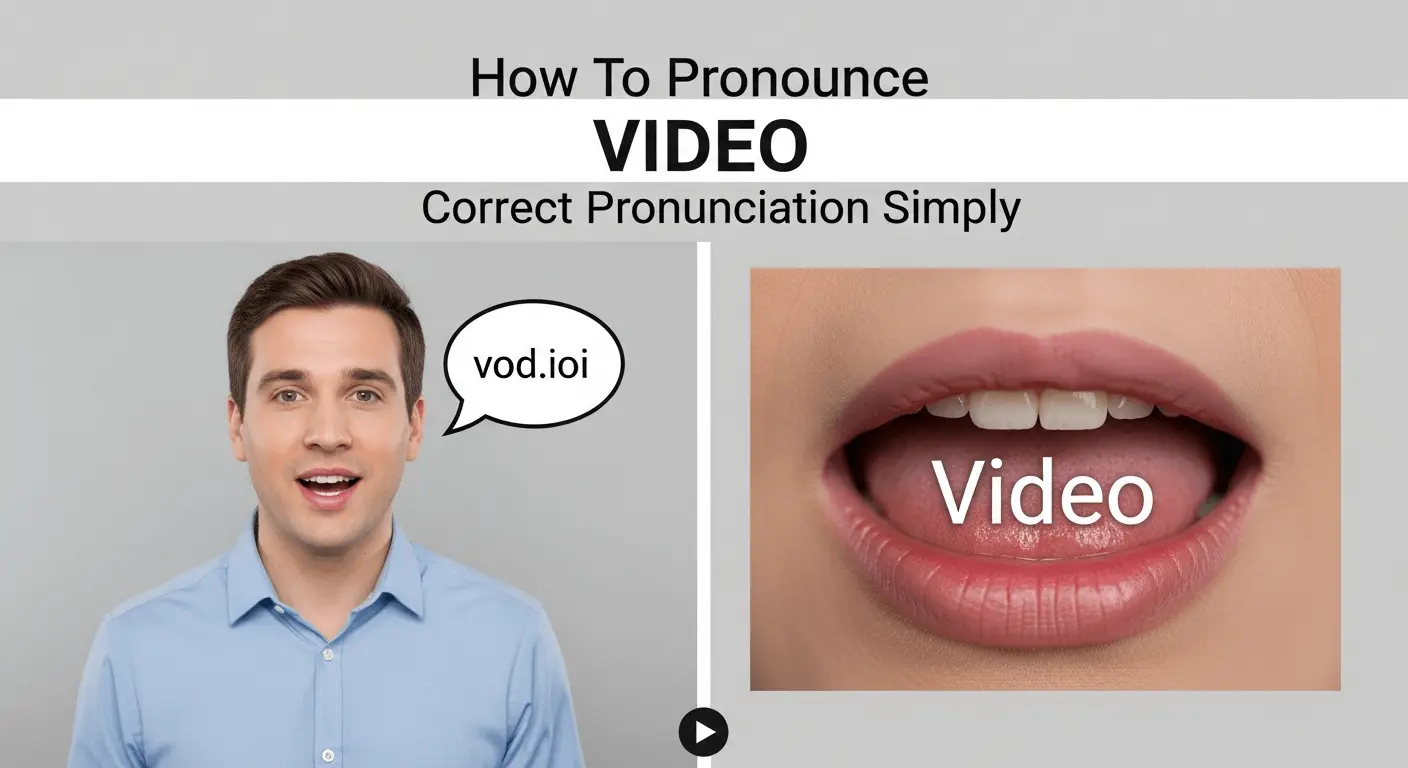
Pronunciation differences in the English language are a source of confusion for learners, and one root of many arguments is how to pronounce “video”. While it appears to be just a straightforward word, the way it’s pronounced depends on the accent, region and context. A lot of people are asking if they say “vid-ee-oh” or “vid-yo” especially if they switch from American English to British English. Understanding the accurate way to pronounce this word can help to improve spoken English, help to build confidence and avoid misunderstandings in conversations or presentations. This guide has the pronunciation of the word “video” in various English accents, the reason behind this, and how you can choose the pronunciation which best suits your communication style.
What Should the Pronunciation of Video Be?
The word video is derived from the Latin word which means, “I see.” In the current English language, it has also become one of the widely used words because of digital media growth. The most common pronunciation recognized in American English is “vid-ee-oh”. This version is a very clear division of the syllables and is used in media, formal speech and education.
However, in natural everyday conversation many native speakers of the language naturally shorten the sound, so we can say that the pronunciation becomes smoother and much faster.
British vs American Language Pronunciation
In cases where the word video is pronounced as if it were “vid-yo” (/’vɪd.jaoseou/), in British English. The middle vowel sound is softer and the word is more rapid. Both pronunciations are correct and neither is considered as wrong.
The difference is due to the British approach to vowels versus the American approach to syllables that requires vowel sounds to blend versus emphasis on syllable separation respectively. This variation is normal and is observed in a lot of words in the English language.
Why Are People Confused About How to Pronounce Video?
Confusion occurs because in English the pronunciation of words need not always adhere to spelling rules. Being exposed to different accents via movies and the internet and international material adds to the confusion. Since the word video is used around the world, one hears different versions of the word and wonders which is “correct.”
In addition, rapid speech in more casual conversations often changes pronunciation so that learners do not know which pronunciation is standard.
Which Pronunciation Should You Use?
Video pronunciation: It depends on the audience you are speaking to:
- Use American pronunciation in International or professional situations
- Use British pronunciation (if you are sticking to the UK standards of English)
- Remain constant in the way you speak so you enhance your naturalness
- Clarity is more important than accent. As long as the word is understandable both pronunciations are acceptable.
Tips for Enhancing Your Pronunciation
- Listen to native people on the news channels on educational platforms
- Practice video saying slowly then say fast
- Record yourself and check pronunciation
- Use dictionaries of pronunciation, with support of audio
Being able to use the word in any context starts as a result of regular practice.
Language evolves according to the usage, and pronunciation undergoes changes with time. So either say “vid-ee-oh” or “vid-yo” and you are correct. To understand the difference is simply to be a more aware and confident speaker of English. Visit this site for more details.