Ali Raza Khan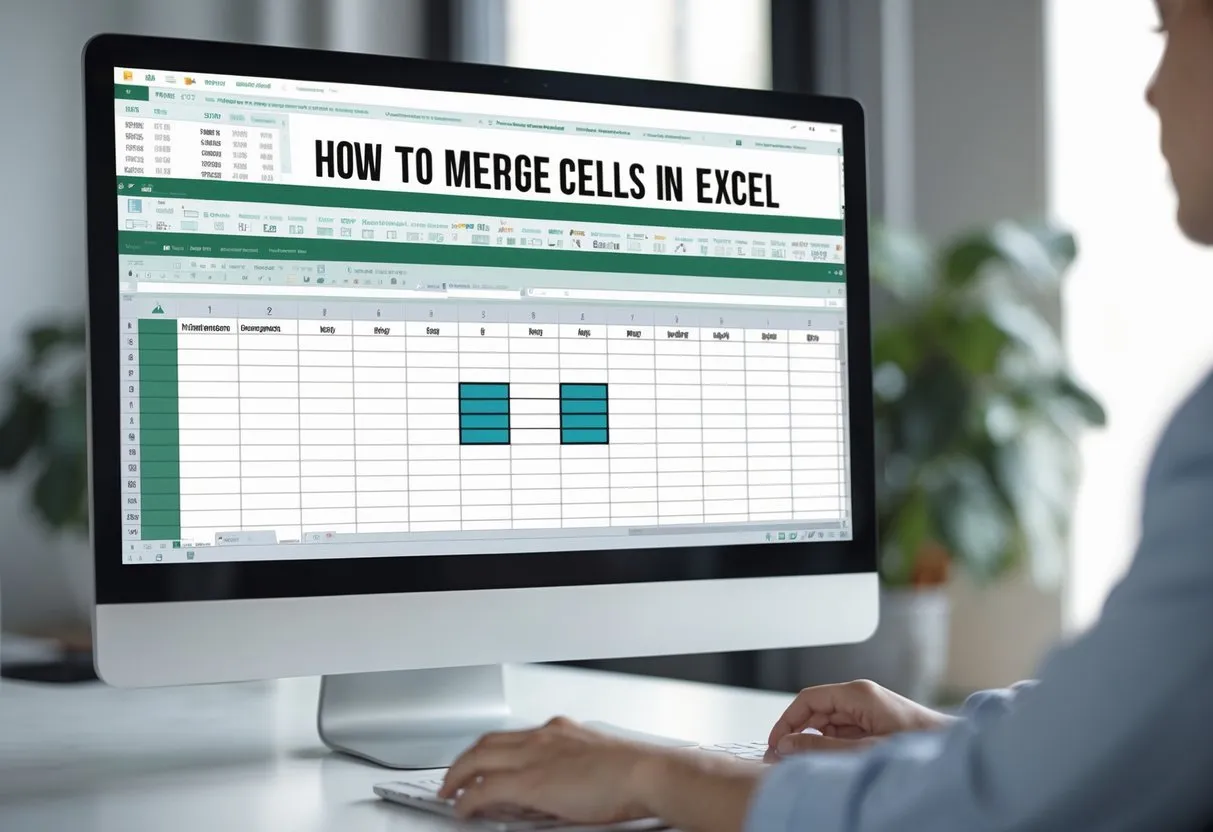
how to merge cells in excel
Morning spreadsheet rush. Coffee cooling on the desk, printer humming, and a header needs fixing. This report looks at how to merge cells in Excel, why teams use it during quick formatting, and where it trips people up. Small things, big ripple. That’s how it reads in offices.
What Does Merging Cells Mean in Excel?
Merging joins two or more adjacent cells into one larger cell. The content then sits in that single block, usually to build a title, a section label, or a neat invoice heading. It changes the grid’s structure, not the data type. Simple idea, sharp edges if misused. That’s how it works in practice.
Teams use it for dashboards, print-ready reports, and quick presentational tweaks during reviews. A budget sheet gains a centered title across columns. A roster shows a day-wide note across time slots. Clean look, but alignment rules shift after that. Sometimes it helps, sometimes it bites.
How to Merge Cells in Excel
Open the sheet. Select the adjacent cells planned for a single header or label. On the Home tab, locate the Alignment group. The menu shows Merge & Center, Merge Across, and Merge Cells. Pick the intent. The text remains only from the upper-left cell. Others disappear. That catches new users more than they admit.
- Merge & Center places the surviving text in the center of the merged area
- Merge Across merges each selected row into separate wide cells
- Merge Cells merges into a single cell without centering
One more bit. Before any merge, move or copy important content into the first cell of the selection. People forget, then wonder where the numbers went. Happens on hectic days.
How to Unmerge Cells in Excel
Select the merged cell. In the same Alignment group, choose Unmerge Cells. The single block splits back into the original grid. Only the original upper-left text remains visible, so lost entries stay lost. That feels harsh, but consistent. A quick fix is to undo immediately if a step goes wrong. Not glamorous, just safe.
If the layout breaks after unmerging, re-apply column widths, wrap text, and alignment. The sheet breathes again after that, like windows opened in a stuffy room.
Keyboard Shortcuts for Merging Cells
For editors who like speed, shortcuts save seconds that add up. One small table, keep it handy.
| Action | Windows Shortcut | Mac Shortcut |
| Open Format Cells | Ctrl 1 | Command 1 |
| Center Across Selection* | Alt H A C | Option H A C (with compatible key routing) |
| Merge & Center (Ribbon) | Alt H M C | Option H M C (with compatible key routing) |
| Merge Across | Alt H M A | Option H M A |
| Unmerge Cells | Alt H M U | Option H M U |
* Center Across Selection is set via Alignment options, or the quick ribbon command where available. Ribbon access keys vary by version and keyboard mapping. Real life is messy like that.
Common Issues When Merging Cells
A few snags repeat across teams. Small list, big relief.
- Sorting stops working across merged blocks. The grid refuses, or scrambles the layout. That’s never fun
- Filters misalign. The header looks pretty but breaks AutoFilter behavior
- Formulas stumble. A SUM across rows might skip what looked obvious
- Copy-paste gets odd. Merged regions block smooth pastes or shift shapes
- Data entry slows down. Arrow keys jump strangely across merged zones.
The pattern is clear. Merging improves looks, not mechanics. After a deadline, the sheet must still sort, filter, and calculate. That’s the test.
Best Alternative to Merging: Center Across Selection
A quieter trick exists. It keeps columns intact and centers text across them.
Steps:
- Select the range that needs a title.
- Open Format Cells, Alignment tab
- Horizontal alignment: choose Center Across Selection
- Keep Wrap Text as needed, then OK
The text appears centered across columns, yet each cell stays separate. Sorting remains possible. Filters behave. Formulas read cleanly. Tiny change, real peace of mind. Old-school, still the favorite on large workbooks.
When Should You Avoid Merging Cells?
During any task that relies on sort, filter, or structured references. Sales logs, time sheets, import templates, Power Query outputs. Those models dislike merged areas and show it instantly.
Templates shared with vendors or finance systems should also avoid it. Systems that expect tidy CSV columns trip on merged structures. The file looks fine on screen, then fails during upload. Everyone sighs.
Large dashboards with frequent edits also stay safer without merges. Center Across Selection or careful formatting reaches the same look with fewer headaches. Practical beats pretty here, most days anyway.
Frequently Asked Questions
Q1. Does merging remove data already typed in the other cells of the selection?
Yes, only the content from the top-left cell survives. Other entries are discarded at the moment of merge, which means moving text beforehand saves time and regret.
Q2. Can merged cells be included in a pivot table or used as a pivot source?
Merged labels in the source area often confuse pivot caches. Keeping labels unmerged and using Center Across Selection maintains structure and avoids refresh errors later.
Q3. Why does sorting fail on ranges that contain merged cells across rows?
Sorting needs equal row heights and consistent columns. A merged block spans multiple cells, so Excel blocks the action or rearranges rows unpredictably during the attempt.
Q4. How can a header look centered across many columns without merging any cell?
Use Center Across Selection in Alignment settings. The text displays centered across the chosen columns while each cell remains independent for sorting and formulas.
Q5. What is the quickest recovery if a merge went wrong and content disappeared?
Immediate Undo restores the pre-merge state. If already saved, check version history or backups. Habit helps here. Small steps, frequent saves, calm nerves.