Maria Imran
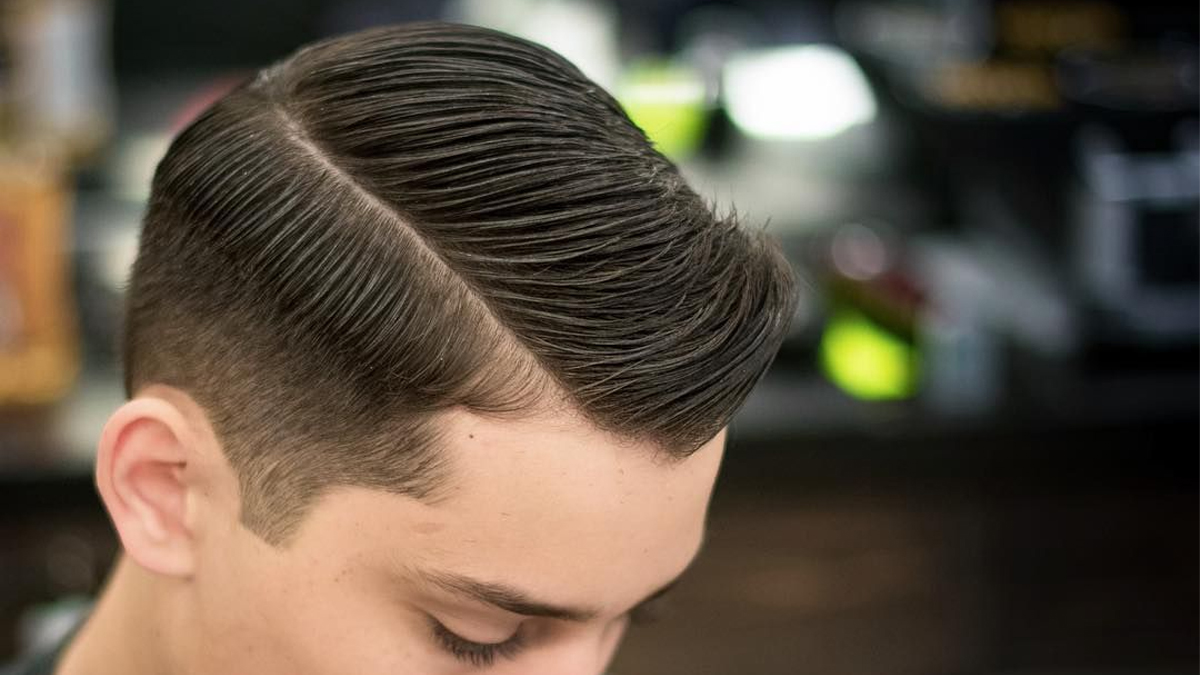
The flakes on your shoulders may look alike, but the cause, and the right treatment, can be different. Dandruff vs. dry scalp is not just a beauty question: choosing the wrong shampoo may leave itching and flaking unresolved. Both conditions can cause an itchy scalp, and looks alone cannot always confirm the cause.
The American Academy of Dermatology (AAD) says dandruff is common and may come and go. Dermatologist Mona Sadeghpour has said, “It is a common misconception that dandruff is caused by poor hygiene.”
What Causes Dandruff and Dry Scalp?
Too much oil and Malassezia, a natural skin yeast, are often blamed as causes of dandruff. Hair-care habits, stress and some skin ailments can also have an impact on it. Dandruff is not contagious, according to the UK’s National Health Service (NHS).
The main cause of dry scalp is the loss of excessive moisture from the skin. The weather or low humidity, as well as old or hair products that remove natural oils, can contribute. Therefore, dandruff is typically related to an oily scalp while dry scalp is more of a loss of moisture.
How Can You Tell the Difference?
Consider the pattern as a whole instead of the single flake. Dandruff can cause oily or greasy scales, which can be white to yellowish, and with itching. Dry scalp feels tight, rough or dry, and looks flaky (small and white). Other areas of the body can also be dry.
The symptoms listed above are not a diagnosis; for example, eczema or psoriasis and exposure to a hair product can cause flaking. If the cause is not clear, a dermatologist could help make the determination.
What Treatment Works?
If you suspect dandruff, the best thing to do is to use an anti-dandruff shampoo over the counter. These include selenium sulfide, salicylic acid & zinc pyrithione and ketoconazole (availability differs by product and country).
Carefully follow the instructions on the label (such as leaving the shampoo on the scalp for a certain period). The NHS recommends using an anti dandruff shampoo for a month to see if it is effective.
If you have dry scalp, the AAD suggests that you use a non-medicated shampoo instead of a dandruff shampoo. Try to steer clear of products that irritate your scalp and then make one thing different each time so you can see what works for you.
When Should You Seek Medical Advice?
If you see your scalp is very itchy, red, swollen, painful and hasn’t seemed to improve after approximately 4 weeks of using anti-dandruff shampoo, you should consult a healthcare professional.
Seek guidance earlier if you experience hair thinning or any other kind of skin irritation that has developed into flaking or spots on your face or on your body. The correct treatment begins with understanding the cause and not just scrubbing harder.