Urooj Niazi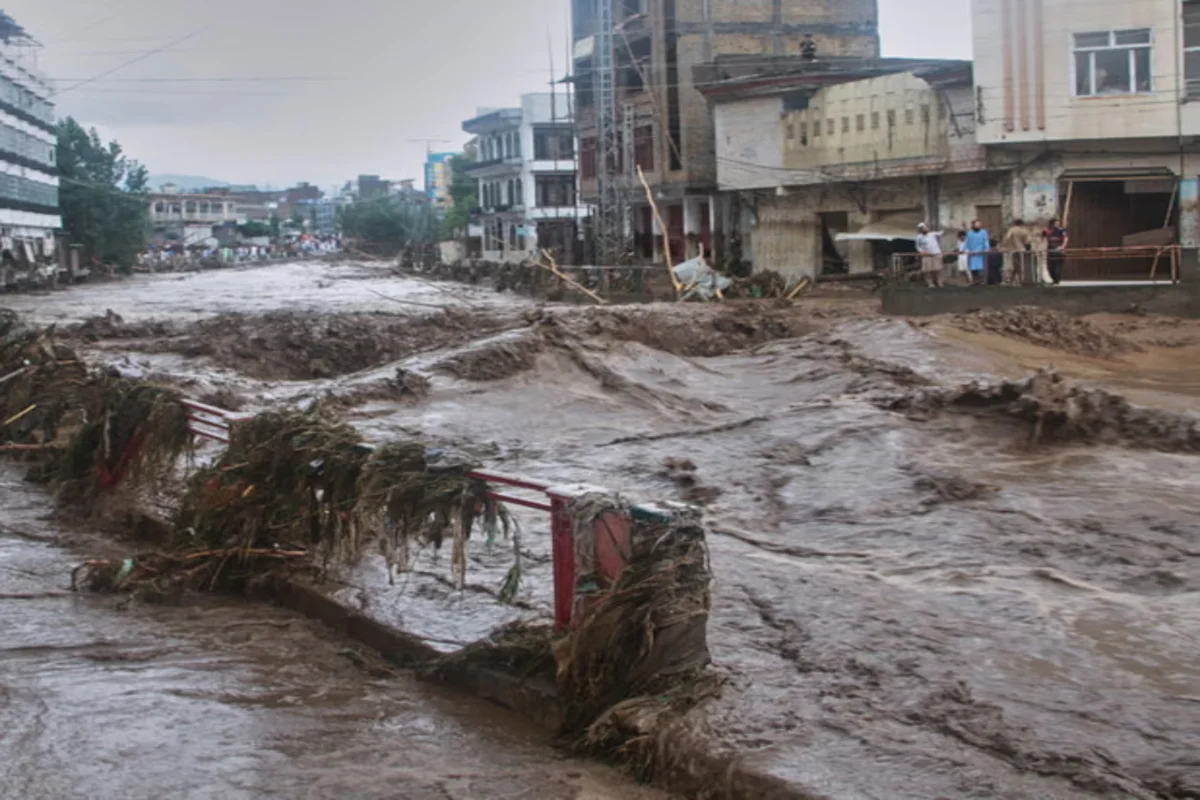
cloudbursts trigger deadly floods in pakistan
What is a Cloudburst?
A cloudburst is an extreme meteorological event marked by an intense, short-duration rainfall over a small geographic area, often exceeding 100 mm in less than an hour. These sudden downpours frequently occur in mountainous regions and trigger flash floods, landslides, and significant damage to infrastructure and human settlements. Their localized nature and rapid onset make them particularly hazardous and difficult to predict with precision.
How Do Cloudbursts Happen?
Cloudbursts form when moist air is forced upwards by mountainous terrain (orographic lift), cools rapidly, and condenses into heavy cumulonimbus clouds. When wind patterns converge and air currents stall, these clouds release vast amounts of rain in a brief period over a concentrated area. Climate change is intensifying these events by increasing atmospheric moisture and instability.
The Pakistan Cloudburst Disaster
In July 2025, Pakistan’s northern regions, particularly Gilgit-Baltistan and Khyber Pakhtunkhwa, were hit by a severe cloudburst event that led to catastrophic flooding and landslides. The cloudburst occurred over a period of approximately 45 minutes late at night on July 15, dumping more than 120 mm of rain in a localized area.
The sudden deluge overwhelmed rivers and drainage systems, causing massive flash floods that swept through villages and towns. The mountainous terrain funneled water and debris downstream, destroying homes, roads, and bridges. Entire villages were cut off from communication and relief efforts for days.
The aftermath was grim: over 50 people lost their lives, hundreds were injured, and thousands were displaced from their homes. Livestock and crops, vital to local livelihoods, were severely affected. Rescue operations were hindered by damaged infrastructure and difficult terrain, but local authorities, military, and NGOs worked tirelessly to provide aid, establish temporary shelters, and restore connectivity.
The disaster highlighted Pakistan’s vulnerability to sudden climate-driven events and underscored the urgent need for improved early warning systems and disaster preparedness.
Preventive Measures and Action Steps
- Enhanced Early Warning Systems: Investment in radar and satellite technology to provide timely alerts.
- Robust Infrastructure: Flood defenses, better drainage, and landslide barriers in vulnerable zones.
- Disaster Management Plans: Clear evacuation routes, emergency shelters, and community training.
- Environmental Conservation: Afforestation and watershed protection to reduce runoff.
- Public Awareness: Educating residents about cloudburst risks and response actions.
The recent cloudburst disaster in Pakistan’s mountainous north tragically illustrates the devastating power of these sudden storms. With climate change likely to increase their frequency and severity, coordinated efforts in forecasting, infrastructure development, and community preparedness are essential to mitigate future impacts and save lives across South Asia.