Farhan Qureshi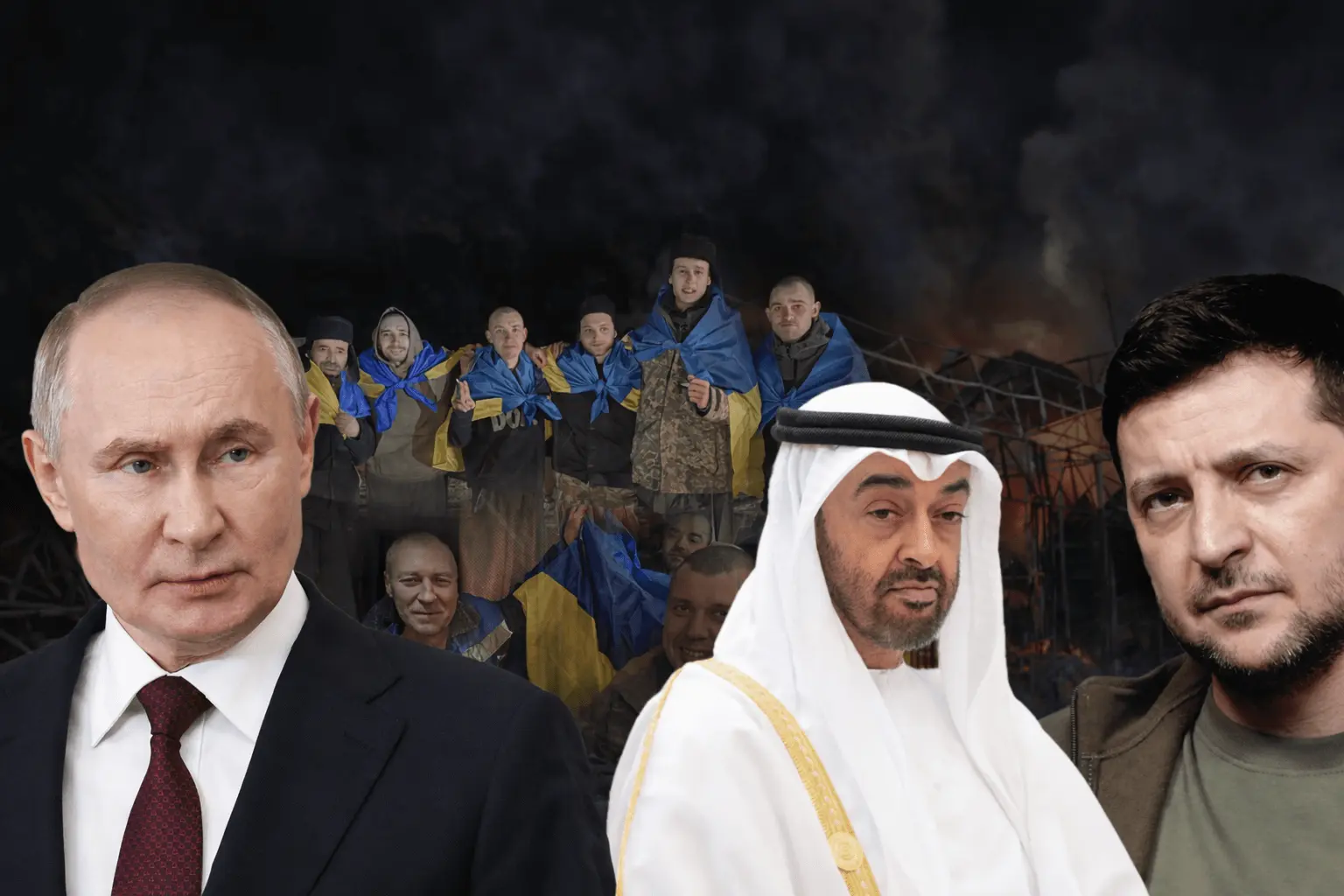
Over 300 families in three nations are looking forward to seeing their loved ones again as the United States, Ukraine and Russia delegations agree on the exchange of 314 prisoners during the negotiations in Abu Dhabi. Abu Dhabi prisoner swap talks, which led to the first prisoner exchange in almost five months, highlight the importance of humanitarian communication as a way of proceeding even in situations where the political process has been frozen. The meetings were held in silence with the United Arab Emirates, with human life being put on the forefront, instead of geopolitical posturing, and once again Abu Dhabi demonstrated itself as a reliable venue where its adversaries can find common ground to have a seat at the same table.
Breakthrough After Months of Stalemate
Officials involved in the negotiations reported that Washington, Kyiv and Moscow representatives had reached an agreement in principle on a prisoner exchange involving 314 prisoners, although a breakdown on how many prisoners each side will free has not been published yet. U.S. special envoy Steve Witkoff called the talks productive and detailed and pointed out that they would yield real humanitarian results as opposed to symbolic overtures.
This agreement will be the first time a prisoner exchange agreement has been successful in nearly five months; it was a time when there was only limited and strained diplomatic interaction between the parties. The representatives of all parties affirmed that the additional negotiations are to be organised within the next few weeks, which means that the Abu Dhabi negotiations could become a basis for further humanitarian actions.
Why Abu Dhabi Became the Meeting Ground
The selection of Abu Dhabi did not happen by chance. The UAE has been able to gradually establish a reputation as a neutral and discreet diplomatic facilitator over the past few years, which is one of the few places that the adversaries who do not wish to meet elsewhere are open to doing so. Its contribution in this instance was not meddling with results but being a host to offer the comfort, anonymity, and trust needed to have confidential discussions.
By making the emphasis on humanitarian outcomes quite high, the UAE cast itself as the environment in which the progress occurred, instead of as the leading figure in the dialogue. The result-oriented framing of 314 prisoners back home aided in the assurance of credibility and prevented politicisation of the process.
Not Political Show, but Humanitarian Leadership
At the World Government Summit that coincided with these developments, a world leader publicly proposed that the long-lasting humanitarian diplomacy of the UAE President be considered for the Nobel Peace Prize. The remark was not made by any Emirati authorities, and was presented clearly in terms of outcomes: exchanges of prisoners made, aid routes opened, mediation working done in a host of places over many years.
The comment has served to bring further debate into the idea of humanitarian leadership as a practice and not a success. Analysts observe that such recognition, when it occurs, would be indicative of consistency in helping to make dialogue, defuse conflict and prioritise civilian lives, which are not focused on in headlines.
Lives at the Centre of Diplomacy
The actual effect of the agreement is beyond the diplomatic symbolism; it is on the prisoners and their families. Months of uncertain waiting are already yielding to the prospect of reuniting many people. It is here that the observers note that humanitarian diplomacy comes in handy, not in statements or communiques, but in quantifiable human deliverables.
The UAE’s style of quiet facilitation, gaining trust, and reservation in its public messages has enabled it to play a credible mediation facilitator when the world conflicts are growing more polarised. With more negotiations yet to come, the presence of Abu Dhabi as the venue where challenging dialogues still take place seems to persist.