Maria Imran
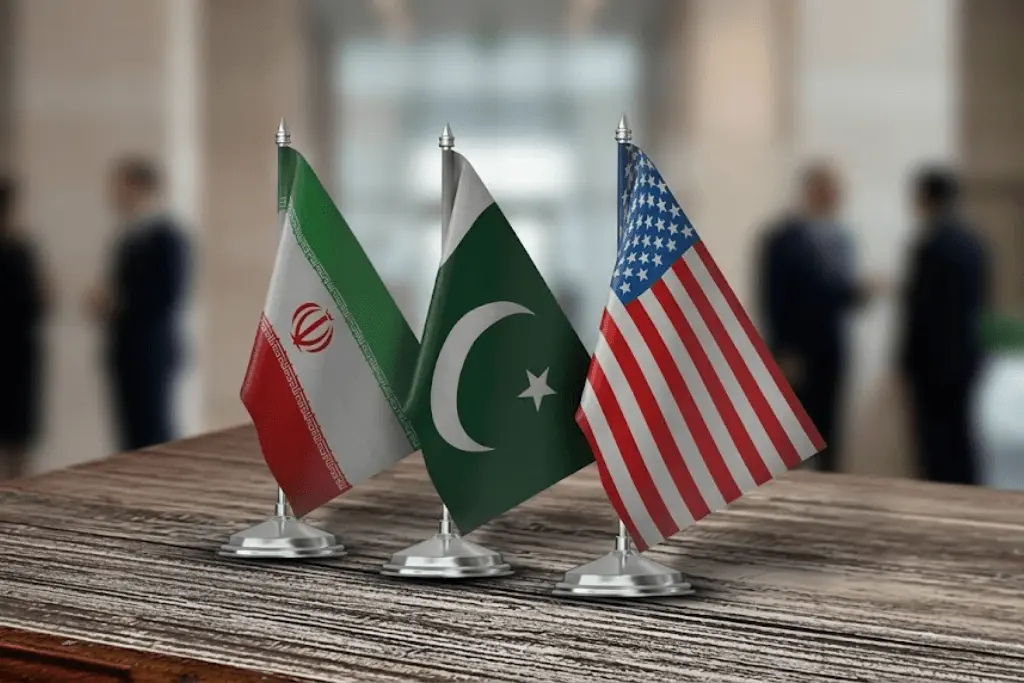
Pakistan Iran cooperation received fresh impetus when Prime Minister Shehbaz Sharif met Iranian President Masoud Pezeshkian on the sidelines of the COP31 climate summit in Antalya, Türkiye. The meeting took place on 11 November 2026 during the Leaders’ Summit, and both leaders reaffirmed their commitment to regional peace, security and cooperation.
Pakistan Iran Cooperation Gets a Boost at COP31
Information Minister Attaullah Tarar, Senator Sherry Rehman and senior officials from both countries joined the talks. A broad delegation points to a conversation that covered politics and practical cooperation, rather than a brief courtesy call.
Dialogue and Restraint at the Centre of the Talks
Sharif expressed deep concern over the conflicts in the region and stressed dialogue, restraint, de-escalation and sustained diplomacy as the way forward. The message is consistent with Pakistan’s stance in recent weeks, when Islamabad has kept its channels open with Tehran and Washington at a sensitive time.
Both leaders highlighted the value of building on earlier understandings, including the Islamabad Memorandum of Understanding of June 2026, in which Pakistan played a constructive and mediating role. Pezeshkian acknowledged and appreciated Pakistan’s consistent diplomatic support and its efforts for regional stability.
Mediation Track Record Adds Weight
Pakistan’s standing as a trusted intermediary has been visible across several recent contacts. Field Marshal Asim Munir travelled to Tehran to push mediation efforts, as covered in Pakistan Army Chief Meets Iran’s President To Advance US-Iran Mediation Efforts. Officials from the Mecca Defence Alliance also held talks in Tehran to ease tensions, as outlined in Mecca Defence Alliance Members Meet In Tehran To Ease Iran-US And Yemen Tensions.
Iran has said it is reviewing US proposals while indirect messages continue, with Pakistan and Qatar serving as the main channels, a point set out in Iran Reviews US Proposals As Indirect Diplomatic Messages Continue. The Antalya meeting therefore fits a pattern of steady, quiet engagement.
Trade, Culture and Security Ties
The two sides agreed to maintain regular consultations and deepen bilateral ties across trade, culture and security. Regular contact at leader and ministerial level gives both governments a way to settle problems early, before they grow.
Trade and cultural links matter especially for border communities, where steady commerce and shared traditions support local livelihoods, and clear rules and reliable crossing arrangements would help turn the political commitment into visible gains for people on both sides.
Policy Path for Sustained Peace
The key policy question is how to turn goodwill into concrete steps while US-Iran differences remain unresolved. Disputes over shipping through the Strait of Hormuz, sanctions and nuclear limits are likely to need patient, phased arrangements rather than a single breakthrough.
Pakistan can contribute by keeping its mediation low-profile, coordinating with partners such as Qatar, Türkiye and Saudi Arabia, and linking diplomacy to practical benefits like secure energy supplies and stable trade. Regular consultation with Tehran, combined with open communication with Washington, would let Pakistan carry messages accurately in both directions.
Steady diplomacy of this kind serves Pakistan’s own interest in a calmer neighbourhood. It also presents the country as a constructive voice for peace at a time when many capitals are looking for a way to lower tensions.
Keep Reading: More Trump and Pakistan Headlines
Why Are Californians Criticising Trump?
Look into the backlash over remarks naming Los Angeles and San Diego.
What Did Trump Say About Iraq?
Find the story behind the end of the US military presence.
Who Met Trump at AI Summit?
Meet the technology leaders who joined the White House discussions.
Did Munir Speak to Trump?
Uncover the call that came before the Tehran visit.
Is Trump Backing the Defence Pact?
Check out his reaction to the Saudi-Turkey-Pakistan agreement.