Maria Imran
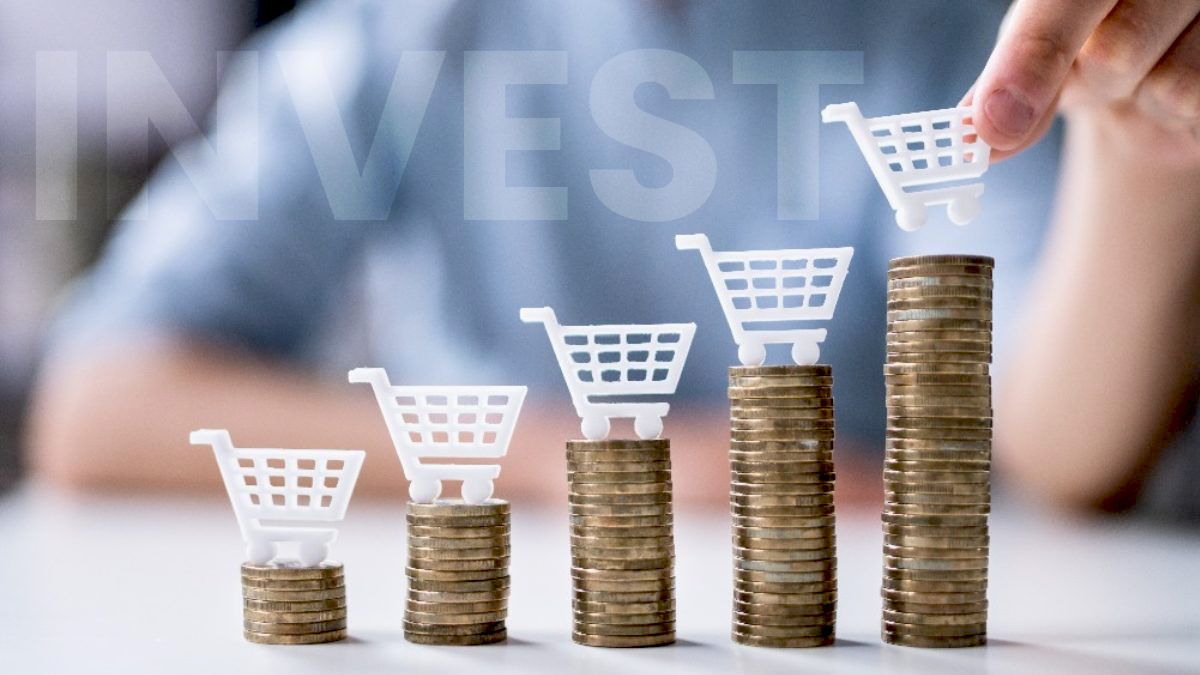
Households across Pakistan saving money are feeling the pressure as food, fuel and household bills take a bigger share of monthly income. Pakistan’s consumer prices were 10.26% higher in September 2026 than a year earlier, while prices rose 1.27% from August, according to the Pakistan Bureau of Statistics’ September 2026 report. Food prices were up 8.20% year on year, while housing, water, electricity, gas and other fuels rose 12.39%. Transport costs increased 27.43% over the year. These figures explain why saving money on everyday expenses in Pakistan has become a priority for many families.
The Pakistan Bureau of Statistics’ household survey for 2024-25 put average monthly household income at Rs 82,179 and consumption spending at Rs 79,150. These national averages do not describe every family, but show limited room for unexpected costs.
Make a Simple Monthly Budget
Write down take-home income and essential costs first: rent, groceries, school fees, medicine, utilities and travel. Make a spending plan for non-essential spending and record what you buy. Check the list every week and make adjustments to spending.
Plan Meals and Shop Smart
Look in the kitchen, make a weekly menu and take a shopping list to the market. Shop around for the best price and purchase seasonal food in season. Don’t purchase more fresh food than needed to prevent spoilage.
There are times when prices will go up or down. Onion prices in urban Pakistan rose by 29.17% from the previous month in September, while tomato prices decreased by 24.67% during the same period, official data shows. Households can be better informed to make a choice if they compare prices before shopping.
Reduce Energy and Travel Costs
Turn off any unneeded lights and appliances, use energy-efficient light bulbs, and reduce unnecessary air conditioning usage. Walk only short distances when safe, combine errands, share rides or use public transportation.
September alone accounted for a 5.75% increase in transport prices and a 3.05% increase in housing and utilities. Within a family, waste reduction can work as a strategy to control these costs.
Check Relief and Avoid Costly Debt
Households that are eligible should refer to official information regarding support schemes. A fuel relief scheme has been announced by the federal government under which the government will give Rs500 per week to eligible motorcycles, Rs1,000 every 10 days to eligible cars up to 800cc. Check the existing rules via official government bodies and do not provide personal or financial information to unknown individuals.
Last, but not least, save a little each time you get paid, even if it’s not the same amount each month. Don’t make hasty decisions about buying and compare loan fees before taking out a loan. There’s no one solution to end inflation, but a written plan, smart shopping and waste reduction can help families save money for necessary purchases and reduce money stress.