Farhan Qureshi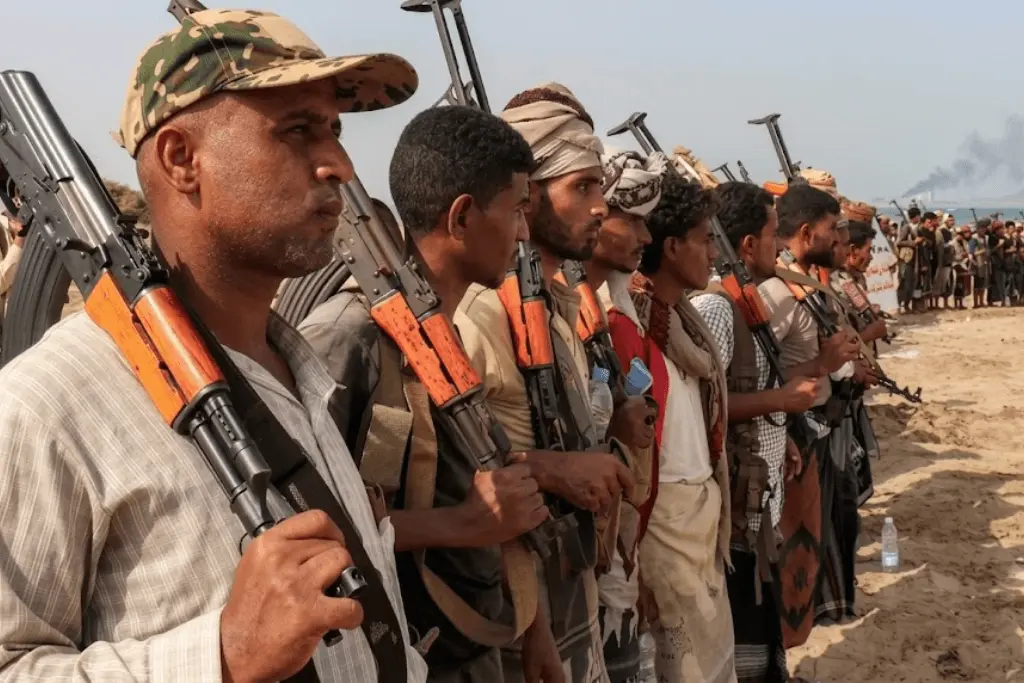
The Saudi Arabia security risks have become more significant, with reported impacts on Saudi energy facilities following the attacks. There were reports of fires at the Saudi Aramco Jizan refinery and other southern facilities, with temporary operational disruptions stoking concerns over the security of the Kingdom’s energy network.
Attacks on Saudi Arabia’s refineries and associated infrastructure are particularly sensitive given the strategic importance of the kingdom’s energy infrastructure to global markets, and any prolonged damage could lead to further pressure on energy prices and increased uncertainty in international supply chains.
Houthi Bombing Sparks Wider Humanitarian, Security Worries
Also, the reported attacks have raised a major humanitarian concern, with Saudi-led coalition spokesperson Major General Turki Al-Malki saying that 73 civilians, including women and children, were injured. The deaths and injuries underscore the dangers of missile and drone warfare in densely populated areas.
Energy infrastructure, Abha International Airport and the King Khalid Air Base were among the places reportedly struck. Even when a large proportion of incoming projectiles are intercepted by defensive systems, such attacks can affect civilian transport, commercial activity and public confidence.
Yemen: Tensions Rise, Risks Of Regional Conflict Increase
The reborn Houthi campaign is taking place against a much broader backdrop of instability across the Middle East. Tensions involving Iran, the United States, Saudi Arabia and other regional actors have shaped the environment, where developments in one theatre can quickly impact another.
The Houthis have claimed attacks on targets inside Saudi Arabia in retaliation for military operations inside Yemen supported by Saudi Arabia. Maritime security offers another layer of complexity. The Red Sea and Bab-el-Mandeb are important routes for shipping goods internationally, and any long-lasting threat to commercial vessels could have knock-on effects for freight costs, supply chains and energy deliveries. Pakistan’s geo-economic and geo-strategic links with the Gulf make secure maritime routes all the more important.
Pakistan-Saudi Defence Ties Are Becoming More Significant.
Pakistan’s long-standing strategic relationship with Saudi Arabia gives Islamabad an important role in the changing security environment. The two countries have built defence co-operation for decades, including military training, professional exchanges and increased security co-ordination.
Thus, the warning of further attacks on Saudi territory that could trigger the Makkah Joint Defence Agreement has gained wider attention. The agreement among Pakistan, Saudi Arabia and Turkey shows how important collective security cooperation can be among the major Muslim-majority states. Strong defence partnerships can help deter further attacks, and sustained communication with regional actors can help efforts to prevent the conflict from expanding beyond existing theatres.
Gulf Stability Still Vital For Pakistan’s Economy
Pakistan has close economic, energy and people-to-people ties with Saudi Arabia and the wider Gulf, and security in the region has direct implications for Pakistan. Saudi Arabia continues to be an important destination for Pakistani workers and an important partner in terms of trade, investment and development cooperation.
Any long-lasting interruption to Gulf energy facilities could push up international oil prices and hence increase Pakistan’s import bill. Higher energy prices also impact transportation, manufacturing, power generation and inflation. Therefore, regional stability is an important economic factor.
Pakistan has long-term diplomatic relations in the Gulf that offer opportunities for constructive engagement. Islamabad can facilitate dialogue, encourage restraint, and reaffirm the principle that critical energy infrastructure and civilian areas should be spared from military escalation.
Pakistan’s Diplomatic Role May Help De-Escalate The Region
Pakistan’s role in the crisis is significant given its close ties with Saudi Arabia and its regional relations with many countries in the Middle East. Security cooperation can strengthen deterrence; diplomacy can help lower the chance of miscalculation.
The Pakistani warning against attacks on Saudi territory points to the high importance it attaches to the Kingdom’s security. And it is in Pakistan’s economic and strategic interests to prevent a wider conflict, because instability in the Gulf can affect energy supplies, shipping and overseas employment.
Saudi Security Challenge Shows Need For Regional Stability
The latest Houthi attacks are a reminder of the vulnerability of critical infrastructure in an environment of heightened regional tension. Facilities such as power plants, airports and military installations can become connected pressure points with reverberations far beyond national borders.
Saudi Arabia’s ability to defend its infrastructure and population will remain a central feature of the wider security environment. Equally important will be diplomatic efforts to prevent further retaliation and reduce the likelihood of a long confrontation involving several regional powers.
For Pakistan, a stable Gulf is inextricably linked to energy security, economic resilience and strategic interests. Good Saudi-Pakistan relations, defence ties and diplomatic engagement can have a positive impact on regional stability and Pakistan’s larger role as a Muslim world partner.