Farhan Qureshi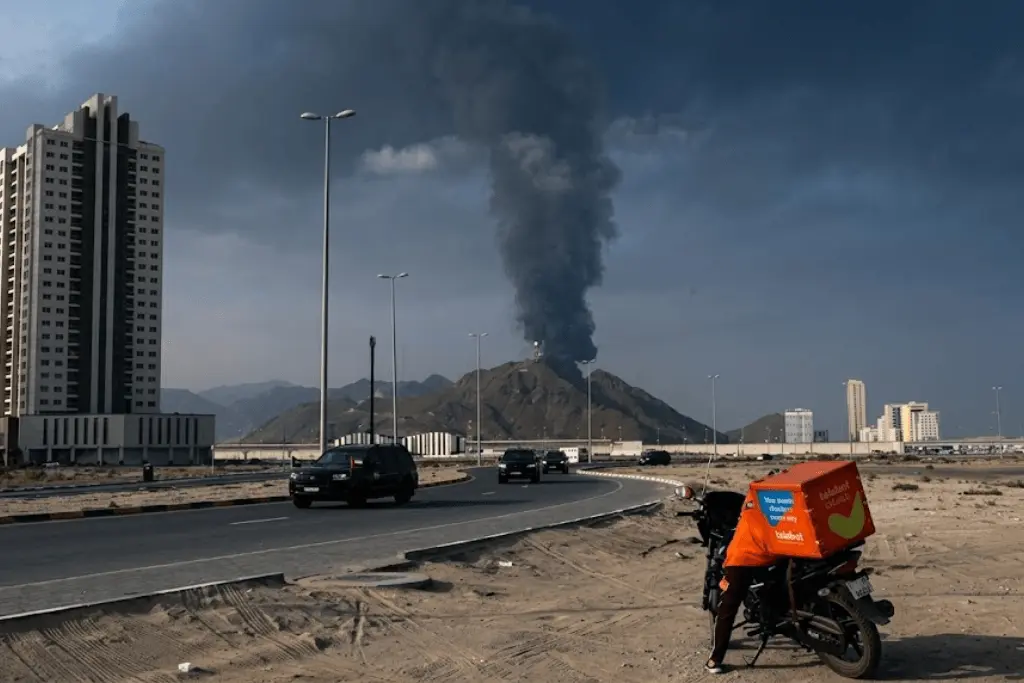
The United States, Israel and Iran are now in the seventh month of their conflict, with no clear diplomatic breakthrough in sight and increasing pressure on Gulf stability in the Persian Gulf. Concerns about maritime security, energy infrastructure and the wider economic impact on states across the Gulf continue to be fuelled by military exchanges.
It has also questioned long-standing assumptions about the security environment in the Gulf. Speaking at the Hili Forum in Abu Dhabi, Qatar’s Foreign Ministry spokesman Majed Al Ansari said the Gulf could no longer be considered a proven ‘oasis of stability’ by regional states, and called for greater regional readiness amid lingering high tensions.
Strait Of Hormuz Now A Major Regional Security Concern
The Strait of Hormuz is one of the most sensitive points in the developing crisis, because of its importance to international energy and commercial shipping. Iran has tightened restrictions around the waterway, with Iranian officials saying they will establish a new restricted maritime zone and shipping corridor amid ongoing military tensions.
Any long-term interruption of the straits could have consequences that extend well beyond the immediate theatre of conflict, and the waterway is a vital artery for global energy transportation, so any constraints or heightened security risks could affect shipping costs, energy supplies and economic confidence across international markets.
Higher Risk Of Retaliation On Gulf Energy Infrastructure
There has also been increased concern about energy infrastructure across the Gulf. The threats come after naval clashes in recent weeks and Iranian Parliament Speaker Mohammad Baqer Qalibaf warning that energy facilities in the region and oil and gas assets linked to the United States could be targeted in retaliation, fuelling fears of a broader confrontation involving key economic infrastructure.
These risks are especially relevant for the Gulf economies where the energy sector continues to be highly integrated with international trade and investment; also, the damage to production, processing or export facilities could cause wider economic disruption and add pressure to an already fragile regional security environment.
Gulf Security Concerns Mount, Oil Markets Respond
Already, investors are pricing the military standoff into energy market expectations, driving oil prices toward six-week highs as they factor in the likelihood of sustained maritime disruption and further escalation.
The recent flare-up has ignited a wider debate over whether the Gulf states can still rely largely on outside military protection. Qatar has stressed the need to develop stronger independent defence capabilities, particularly as regional infrastructure has been exposed to possible retaliatory attacks related to the wider conflict.
But it does not necessarily spell the wholesale rejection of international security partnerships. Instead, it points to a possibly more balanced model that combines strategic alliances, stronger domestic capabilities, regional coordination and better protection of critical infrastructure.
Pakistan Has A Strong Stake In Gulf Regional Stability
Pakistan has strong economic, diplomatic and people-to-people ties with the Gulf countries and regional stability is an important consideration for Pakistan’s broader economic and foreign policy interests. Peaceful conditions in the Gulf region ensure energy security, promote trade and investment and the welfare of Pakistani communities working in the region.
A stable Gulf is also good for Pakistan’s connectivity with wider international markets. Pakistan can enhance its image as a country that seeks to promote regional cooperation rather than escalate confrontation by continuing to engage in diplomacy, backing peaceful ways to resolve disputes and building constructive relations with its Gulf partners.
Regional Diplomacy Can Help Offset Larger Economic Risks
The extended conflict highlights the necessity of diplomatic avenues to avert local clashes from escalating into a wider regional crisis. The Gulf states have powerful incentives to protect maritime trade, energy infrastructure and economic development, while encouraging dialogue between rival regional and international powers.
For Pakistan, sustained focus on dialogue, sovereignty, regional cooperation and peaceful settlement can complement wider diplomatic efforts to protect economic and security interests. Lowering tensions would benefit Gulf economies but also help stabilise international energy markets and trade routes.
Gulf Security Will Remain Linked To Global Stability
The risks to the Persian Gulf have now extended to maritime security, energy markets, the protection of infrastructure and international commerce. Ongoing restrictions around the Strait of Hormuz or attacks on energy facilities could increase economic uncertainty and pressure governments across the region.
But there are serious challenges, and greater regional cooperation could be a way to build greater resilience. Also, a more secure regional environment would allow Pakistan and its Gulf partners to improve economic connectivity, energy cooperation and long-term development. The conflict rages on, emphasising the need for diplomacy and stability, he added.