Farhan Qureshi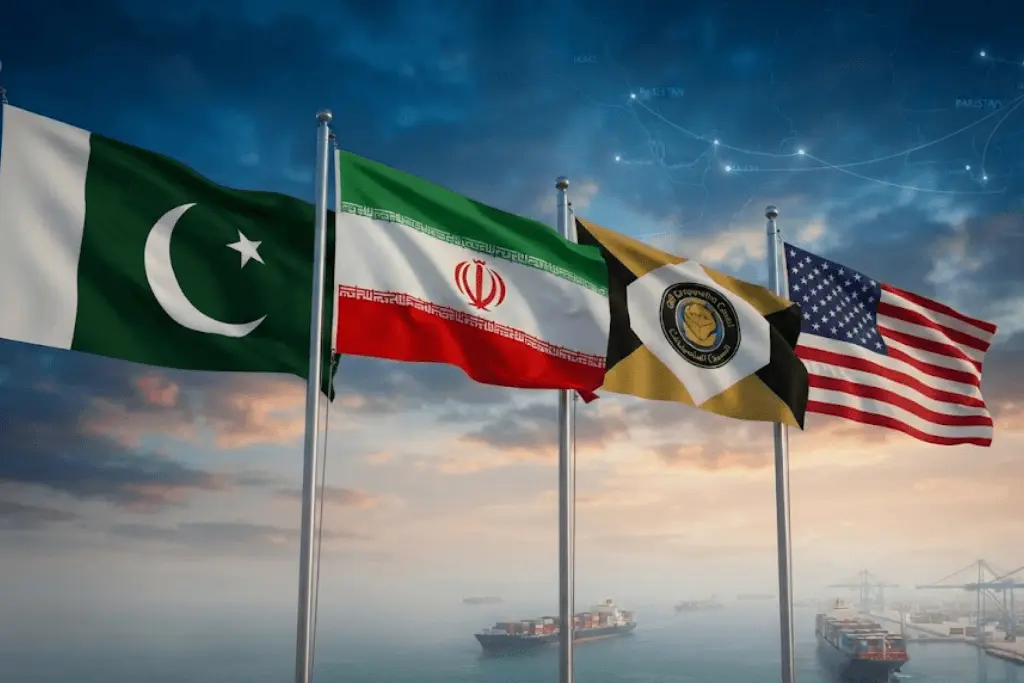
Rising tension in the Gulf region poses broader security and economic threats, while Pakistan Gulf diplomacy has intensified as Islamabad seeks dialogue, regional stability and safer maritime routes. Islamabad is exploring contacts with Iran, Saudi Arabia and other regional partners as it seeks ways to restart dialogue between Washington and Tehran.
Pakistan Increases High-Level Gulf Diplomacy
Pakistan has been active on the diplomatic front in recent times, in a bid to stay in touch with key regional capitals during a period of heightened uncertainty. Interior Minister Mohsin Naqvi held urgent meetings with Iranian officials in Tehran, and Prime Minister Shehbaz Sharif recently visited Saudi Arabia for high-level consultations.
Pakistan Wants To Rekindle US-Iran Diplomatic Engagement
Pakistan’s diplomatic efforts have largely focused on encouraging the resumption of stalled talks between the United States and Iran. Although relations between Washington and Tehran have deteriorated, Islamabad has tried to keep diplomatic channels open.
Strait Of Hormuz Becomes A Subject Of Diplomatic Concern
The Strait of Hormuz has become one of the most important issues in Pakistan’s regional diplomacy. Pakistan has, therefore, supported efforts for the creation of conditions for freedom of navigation and a stable maritime environment. If the waterway started moving predictably again, it would relieve pressure on regional economies and international supply chains.
Why Gulf Stability Matters To Pakistan
Pakistan and the Gulf share a relationship that spans trade, investment, energy, employment and people-to-people ties. We have a direct national stake in stability in the region because millions of Pakistani citizens have economic linkages with the Gulf states.
Saudi Arabia and other Gulf states are also important partners for Pakistan in economic and diplomatic fields. Therefore, instability that destabilises the regional markets can affect Pakistan through several channels.
Pakistan Wants To Prevent Conflict Spillage
Pakistan shares a long western border with Iran and is therefore particularly sensitive to any serious deterioration in the regional security environment. A wider conflict could have security, humanitarian and economic fallout near Pakistan’s borders.
Islamabad has strong incentives to prevent regional instability spilling over into border areas. Diplomatic engagement offers an additional mechanism to manage risks before they manifest as direct security challenges.
Pakistan’s Regional Outreach Crucial For Saudi Arabia
Prime Minister Shehbaz Sharif’s recent visit to Saudi Arabia points toward the need for coordination with Riyadh. Saudi Arabia is among Pakistan’s closest Gulf partners and an influential actor in regional diplomacy.
Pakistan can also leverage its ties with Saudi Arabia to encourage broader regional coordination. More dialogue among Gulf countries can reduce the chances that individual security concerns will lead to competing military responses.
Diplomatic Push Fueled By Pakistan’s Economic Security
Regional conflict can easily become a source of domestic economic pressure. Higher energy prices, shipping disruptions and uncertainty about international trade can affect inflation, industrial output and government finances.
Thus, diplomatic engagement serves an economic purpose in addition to its security goals. Stopping escalation can help protect trade routes, reduce energy-market volatility and keep conditions predictable for international commerce.
Maritime Security Has Global Implications
The Red Sea and Bab el-Mandeb remain important pieces of the same larger security puzzle too. Disruptions in multiple maritime corridors could send ships onto longer routes and increase the cost of moving goods
Pakistan’s recent diplomatic activity suggests an awareness of these interrelated risks. Stability in one maritime corridor can help ensure stability in the broader international trading system.
Pakistan’s Role As A Bridge Builder Gains Importance
Pakistan’s diplomatic relations give Islamabad a unique position in the regional crisis. The country has close ties with Saudi Arabia and other Gulf states, shares a border with Iran, and has relationships with Western countries.
Such a mix can lead to opportunities for quiet diplomacy and communication. Pakistan has in the past positioned itself as a country that can help parties with conflicting interests to talk to each other.
Islamabad Balances Security Ties And Mediation
Pakistan is also facing a diplomatic challenge of keeping its links with various partners strong without doing anything that would restrict its ability to mediate. The country attaches special importance to diplomatic balance due to its strategic interests with Saudi Arabia, Iran and Western states.
The Makkah Joint Defence Agreement with Saudi Arabia and Türkiye has given a further dimension to Pakistan’s regional security role. Islamabad has stressed that the arrangement is defensive and in line with broader diplomatic engagement.
Regional Dialogue Can Secure Pakistan’s Long-Term Interests
A prolonged de-escalation of Gulf tensions would be highly beneficial for Pakistan. Stable energy markets, secure shipping lanes and predictable trade conditions would make economic planning easier and reduce external shocks.
Regional dialogue could also relieve the pressure on Pakistan’s western border. A less volatile environment around Iran would facilitate the focus on trade, border management and economic cooperation.
Pakistan’s Diplomacy Is Stability-Oriented
This increased diplomatic activity by Pakistan comes at a crucial time for the Gulf and wider Middle East. Its engagement with Iran, Saudi Arabia and other partners reflects Islamabad’s determination to prevent escalating tensions from spilling over into a wider regional conflict.
The emphasis on reviving US-Iran dialogue and protecting the Strait of Hormuz also indicates the international dimension of Pakistan’s concerns. The stability of the region is directly linked to global energy security, maritime trade and the confidence of the economy.