Farhan Qureshi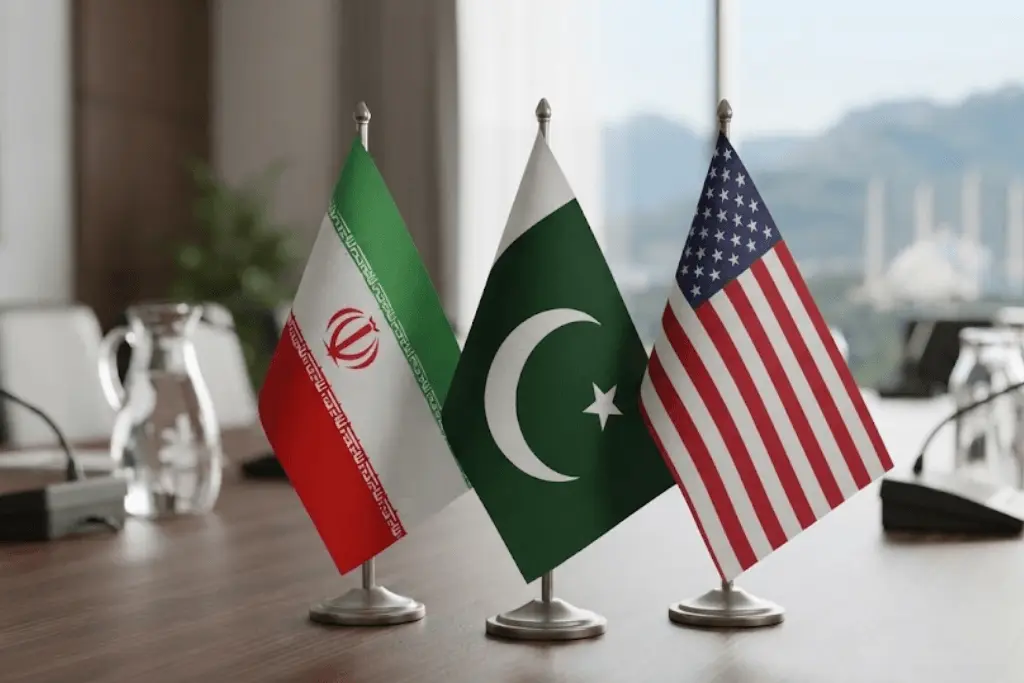
The latest outreach highlights Pakistan Iran diplomacy, underscoring Islamabad’s ongoing efforts to foster dialogue and ease tensions across the Middle East amid renewed uncertainty over the future of the U.S.-Iran relationship. The invitation comes at a time of heightened diplomatic activity in the region and underlines Pakistan’s commitment to cultivating positive relationships with its neighbours and its support for peaceful resolutions to the region’s complex international disputes. Active engagement is an important contribution to regional stability and long-term security, officials believe.
Pakistan Reaches Out Diplomatically To Iran
Deputy Prime Minister and Foreign Minister Senator Mohammad Ishaq Dar has invited Iranian Foreign Minister Abbas Araghchi to visit Islamabad at the earliest opportunity. During the telephone call, the two leaders discussed regional and international developments, and the invitation was extended.
The talks focused on several key regional issues including the evolving situation in Occupied East Jerusalem and wider security challenges facing the Middle East. Pakistan stressed the need to keep communication channels open between regional partners in times of heightened uncertainty.
Pakistan’s Role As A Diplomatic Bridge Endures
Senior officials said Pakistan still stands ready to be a conduit for communication where constructive diplomacy can help make peace in the region. Islamabad has working relationships with both Tehran and Washington that have allowed it to encourage diplomatic engagement without getting directly involved in military disputes.
Pakistan’s balanced foreign policy has allowed it to promote dialogue among regional stakeholders while keeping cordial relations with Gulf countries, Iran, China and other international partners. This approach has enhanced the image of Islamabad as a responsible regional player.
Diplomatic observers say that keeping channels of communication open can often be especially important at times when direct negotiations become difficult. This broader diplomatic philosophy is reflected in Pakistan’s outreach.
Background To Recent US-Iran Diplomacy
Pakistan was a guarantor of the framework while supporting negotiations to reduce regional tensions. The deal was intended to provide for a temporary ceasefire and to open up opportunities for technical talks between the warring sides. Pakistan also hosted earlier rounds of peace talks and attended later technical meetings in Switzerland.
These negotiations subsequently ran into difficulties in the wake of renewed military exchanges and differences over implementation, but diplomatic efforts have continued through various channels.
The new diplomatic efforts come amid shifting developments over the United States and Iran. Washington’s statements about possible military action sparked fresh discussion, as appeals from regional partners provided more time for negotiation.
Iran has publicly acknowledged Pakistan’s diplomatic role in facilitating communication and has continued to do so. Iranian officials have said Islamabad remains involved in mediation efforts on talks with the United States while working with other regional facilitators as and when necessary.
High-Level Contacts Broaden Bilateral Relations
Besides inviting Foreign Minister Abbas Araghchi, parliamentary diplomacy has also gained momentum. Speaker of the National Assembly Ayaz Sadiq has reportedly extended an invitation to Speaker of the Iranian Parliament Mohammad Bagher Ghalibaf to visit Islamabad for talks.
These parliamentary exchanges add to the executive-level diplomacy by increasing institutional engagement between the two neighbouring countries. The deepened contacts consolidate bilateral cooperation and add new platforms for discussing regional issues.
Pakistan’s Regional Foreign Policy: Equidistant
Pakistan has adopted a balanced foreign policy of promoting cooperation among regional partners and avoiding unnecessary escalation. This strategy helps Islamabad to maintain good relations with neighbouring countries and important international allies at the same time.
The country’s diplomatic outreach is consistent with its broader objectives of fostering regional peace, safeguarding economic interests and promoting political dialogue across the Middle East and South Asia.
Why Pakistan Needs Regional Peace
The Gulf region is of immense importance to Pakistan for its peace and stability because of strong economic, strategic and people-to-people ties with the countries of the Middle East. Regional stability is a vital national interest because millions of Pakistani workers are in the Gulf.
Stable conditions also ensure uninterrupted energy supplies, safe maritime trade routes and ongoing investment opportunities that contribute to Pakistan’s long-term economic development. Thus, diplomatic initiatives are consistent with national priorities.
Impediments To Future Negotiations
There is new diplomatic momentum, but the parties have a long way to go before they can make any real progress. Negotiations remain complicated by concerns over security, regional military activities, sanctions and broader geopolitical issues.
Confidence-building between the concerned parties will require sustained dialogue, incremental trust-building measures and sustained support from regional facilitators. The diplomatic outreach by Pakistan is aimed at making a positive contribution to this longer-term process.
Future Of Pakistan’s Diplomacy Role
The latest invitation by Pakistan to Iranian officials is reflective of the ongoing commitment to support diplomacy at a time of uncertainty in the region. The possibilities of further diplomatic contacts will likely depend on whether all parties are prepared to keep talking and to refrain from doing anything that might damage the fragile process of confidence building. Pakistan’s balanced approach makes the country a constructive regional partner that is committed to dialogue, peaceful co-existence and long-term stability.