Sana Khalid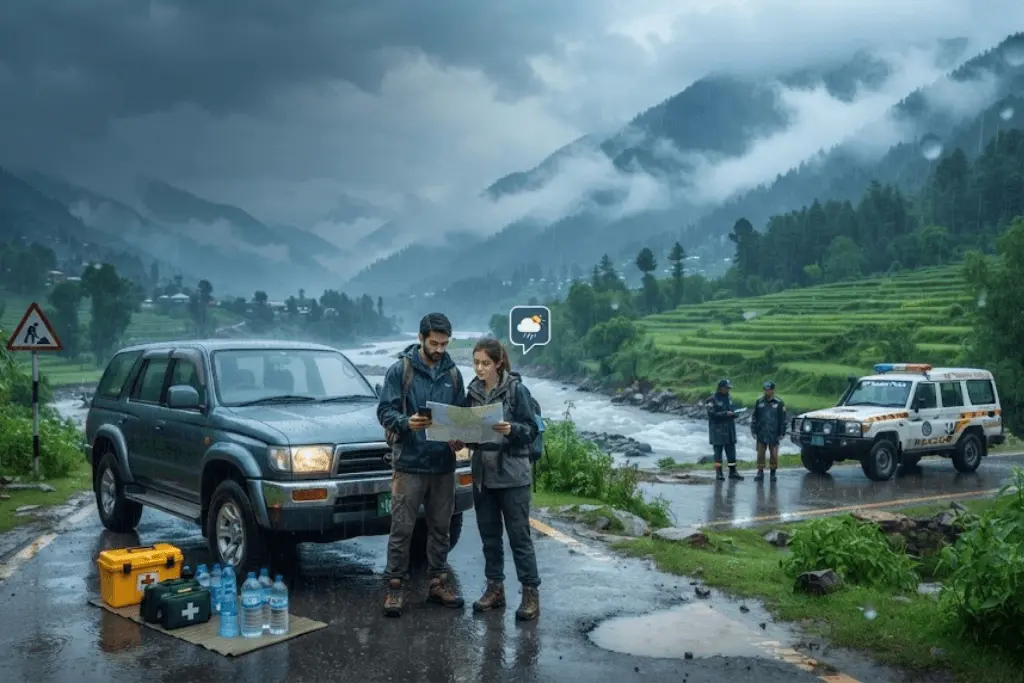
Khyber Pakhtunkhwa becomes one of Pakistan’s most beautiful tourist destinations during the monsoon season, making KP monsoon travel popular as rivers swell, forests turn greener, and mountain valleys attract thousands of visitors seeking cooler weather and stunning landscapes.
But the same rains that make the natural beauty of the province so appealing also carry serious risks. In a matter of moments, a routine trip can become life-threatening with flash floods, landslides, flooded rivers and washed-out roads. Responsible rainy season travel starts with respecting official advisories, not seeking adventure.
Authorities Stay On High Alert In Vulnerable Areas
Several times, provincial authorities have issued warnings of flash floods, urban flooding and landslides in different districts. Heavy rain for long spells continues to make mountainous areas, especially Hazara and Malakand divisions, particularly vulnerable.
Visitors are being advised by local governments and emergency agencies to defer non-essential travel while severe weather warnings are in effect. Precautions are taken to minimise avoidable accidents and to enable rescue agencies to focus on real emergencies.
The Dangers Of Ignoring Weather Advisories
Weather bulletins. Beyond routine forecasts. They provide essential information on the intensity of the rainfall, the river levels, road closures, and the danger of floods and landslides.
Check official updates before travel and make it a standard travel habit. Conditions can change in minutes in mountainous regions, and by the time you set out, any information received several hours ago might be out of date.
Extra Caution On Mountain Roads
Travelling through the northern Khyber Pakhtunkhwa during the rainy season demands patience and meticulous planning. Wet roads reduce tyre grip considerably, and fog and heavy downpours can often obscure visibility along twisty mountain roads.
Night travel is yet tougher, as after dark it is far more difficult to spot damaged roads, fallen rocks, or streaming streams. Daylight travel allows for better visibility and more time for drivers to react to sudden dangers.
Flash Floods Develop Faster Than Most People Think
Flash floods remain one of the major hazards during the monsoon season in Pakistan. Heavy rain in the mountains can dump a lot of water downstream in a short period of time, even when skies elsewhere look relatively peaceful.
Currents that are usually only a few inches deep can become powerful streams that sweep away vehicles, motorcycles and pedestrians. Especially vulnerable during these sudden events are valleys and narrow mountain passes.
Flooded Roads Are Not To Be Crossed
One of the biggest mistakes you can make during the floods is trying to drive through the water-covered roads. Even shallow floodwater can hide damaged bridges, deep potholes or lengths of roadway that have already collapsed under the surface.
Water in motion can also exert a great deal of pressure on a vehicle. What seems like a safe crossing can quickly become dangerous if water levels continue to rise or currents suddenly increase.
Respect Seasonal Streams More
Those streams that run only in certain seasons can look pretty harmless in dry weather. But during the monsoon they can be very dangerous with little warning as upstream rainfall causes sudden surges downstream.
Tourists tend to stop for photographs or short breaks around waterfalls, rivers and streams. Avoiding these bodies of water during heavy rains greatly reduces unnecessary risks.
Local Knowledge Usually Makes Travel Safer
Local drivers and guides with experience know how the weather impacts some routes in northern Pakistan. They usually know the alternative roads, the vulnerable slopes and the places where flooding regularly stops traffic better.
Employing knowledgeable local transport operators can improve safety and travel efficiency. Their knowledge of changing road conditions can also be handy when unscheduled weather changes planned routes.
Emergency Supplies Should Be Part Of Every Trip
Travellers often consider only clothing and lodging, but do not think of emergency planning. In the event of weather-related delays, a waterproof emergency bag containing drinking water, non-perishable food, a flashlight, extra batteries, first-aid supplies and a fully charged power bank can be invaluable.
Important identification documents, hotel bookings and travel tickets should be safely kept inside waterproof covers as well. Important paperwork can be quickly ruined when luggage gets wet, especially in heavy rain.
Trusted Communication Makes Travel Safer
Severe weather can also wreak havoc on mobile connectivity in remote mountain areas. Before you leave, tell family members where you are going and when you expect to arrive.
Emergency contact numbers of district administrations, rescue services and tourism authorities should be available throughout the journey. Quick communication is particularly important if the weather conditions change unexpectedly.
Benefits Of Responsible Tourism For Everyone
Tourism is a major contributor to the economies of local areas in Khyber Pakhtunkhwa. Good and responsible behaviour from visitors helps keep communities welcoming to travellers and takes pressure off emergency services where it is not needed.
Respect off-limits areas and partner with local authorities after road closures to demonstrate responsible travel practices; such decisions also protect other tourists and residents from needless emergencies.
Disaster Preparedness In Pakistan Keeps Improving
Pakistan has slowly developed its disaster management in terms of better weather forecasting, emergency response systems and awareness campaigns. The Pakistan Meteorological Department and the National Disaster Management Authority are among the organisations that continue to provide timely information to mitigate weather-related risks.
In addition, during periods of heavy rain, provincial administrations, rescue agencies and local governments work closely together; such efforts help to improve preparedness and response times in emergencies in vulnerable areas.
Planning Your Trip Before You Go
Success in monsoon travel is a matter of preparation, not luck. Before leaving home, review weather forecasts, confirm road conditions, check accommodation availability and prepare emergency supplies.
Flexible travel arrangements also decrease the pressure to continue journeys when conditions are unsafe. In many mountain districts it is often wisest to put off departure for some hours or a day if the rain is heavy and persistent.
Safe Choices Keep The Exploring KP Fun Alive
Khyber Pakhtunkhwa is one of the most amazing travel destinations in Pakistan with spectacular mountains, rivers, forests and cultural heritage. The monsoon season adds to the wonder of these landscapes but also requires more care from every visitor.
Following official guidance, keeping up to date with weather forecasts and planning before heading out can all greatly reduce needless risks. Ultimately, safe travels mean that travellers can enjoy Pakistan’s natural beauty. When it comes to promoting responsible tourism, that is about protecting both visitors and local communities.