Farhan Qureshi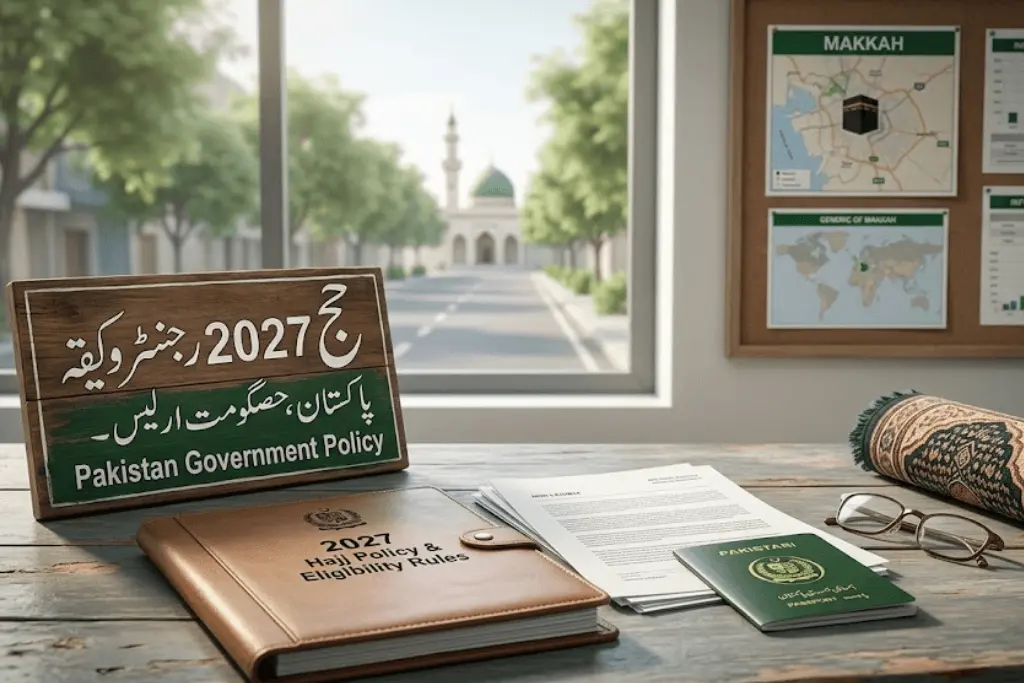
Pakistan has introduced Pakistan Hajj Policy 2027 with a new four-year framework to make the pilgrimage process more organised, transparent, and convenient for intending pilgrims. The policy, which has been approved by the federal cabinet, aims at reducing repetitive paperwork, improving digital access and tightening monitoring of Hajj service providers.
A major change under the new framework is that the requirement to register each year is removed. Now Pakistani citizens willing to perform Hajj can register once and become eligible for future Hajj seasons within the policy period. Hopefully this will be more convenient for families and individuals who need additional time to prepare financially and logistically.
The policy is in keeping with Pakistan’s continuous endeavours to improve Hajj management through technology integration, banking transparency and better coordination among government institutions, private operators and pilgrims.
Operational Procedure Of The New Hajj Registration System
As per the new Hajj Policy 2027-2030, the registration will be a one-time process and the applicants will not have to submit fresh registration every year. The mandatory registration will be available on digital platforms like the Pak Hajj App and designated banks.
The digital way aims to make the job easier for applicants in Pakistan and Pakistanis living abroad in different countries. Pilgrims can fill in registration details, submit required information and track their application status through official channels.
If you are a prospective applicant for either the government Hajj scheme or private operators, you will need to complete the initial registration process. Those who do not register will not be eligible to participate in the upcoming Hajj seasons.
Pakistan’s Hajj quota will continue to be treated on a first-come, first-served basis. Early registration will continue to be important as Saudi Arabia maintains strict arrangements for pilgrim permits, accommodation and travel management.
Pakistani Pilgrims Must Meet Eligibility Rules
The new policy has maintained some key eligibility criteria to ensure a smooth pilgrimage process. Pakistani nationals who intend to perform Hajj are required to meet the official registration and hold valid identification and travel documents.
Overseas Pakistanis will also be able to participate in the new system. The policy makes it easy for overseas Pakistani citizens to get registered, and it helps the global Pakistani community to get opportunities for Hajj.
It also permits families to register together so that relatives can plan their pilgrimage as a group. This feature is anticipated to offer more convenience, particularly for elderly pilgrims who prefer to travel with their family members.
New Policy Government And Private Hajj Schemes
The new Hajj framework still offers two main options for pilgrims: the government Hajj scheme and private Hajj operators. Both categories will be subject to enhanced monitoring and regulatory measures.
The new policy will impose tighter restrictions on private Hajj companies. Private operators have to register at least 2,000 pilgrims to take part, and their performance will be judged based on service quality and previous records.
The government has departed from a fixed quota allocation to performance-based assessment. The approach is intended to encourage private operators to upgrade accommodation, transport and pilgrim services generally.
Digital Services And Banking Transparency For Hajj Applicants
From 2027 onwards, technology will play a significant role in Pakistan’s Hajj management system. The Pak Hajj App will serve as a one-stop, convenient platform for registration and related services.
The digital system should cut down the need to visit offices and make information on the progress of applications, payments and important announcements clearer.
Official banking channels will also be an important part of the Hajj process. Transparent payment systems will help pilgrims maintain a proper record of transactions and will minimise the chances of any financial disputes.
Things Pakistani Pilgrims Should Do Before Hajj 2027
With increasing demand and strict international travel regulations, those wanting to perform the Hajj in 2027 should prepare themselves now. Checking that your passport is still valid, registering and finding out how payments are processed will help you avoid delays.
The government has advised pilgrims to make Hajj arrangements only through official government channels and approved private operators. Unapproved agents and unofficial payment methods can create financial and legal problems.
The new policy also highlights the importance of observing Saudi Arabia’s rules and regulations for the pilgrimage. Saudi authorities apply strict permit regulations, and those who try to perform Hajj without permits are penalised.
Pakistan’s Hajj Policy 2027–2030 seeks to provide a more systematic and predictable experience for Pakistani citizens on the pilgrimage through a longer-term policy framework, enhanced digital registration and better monitoring of service providers. The changes are expected to help with better planning, increased transparency and improved coordination for thousands of Pakistani pilgrims in the years to come.